Purpose Energy Targets Western Australia Freight Corridor with Charging Hubs
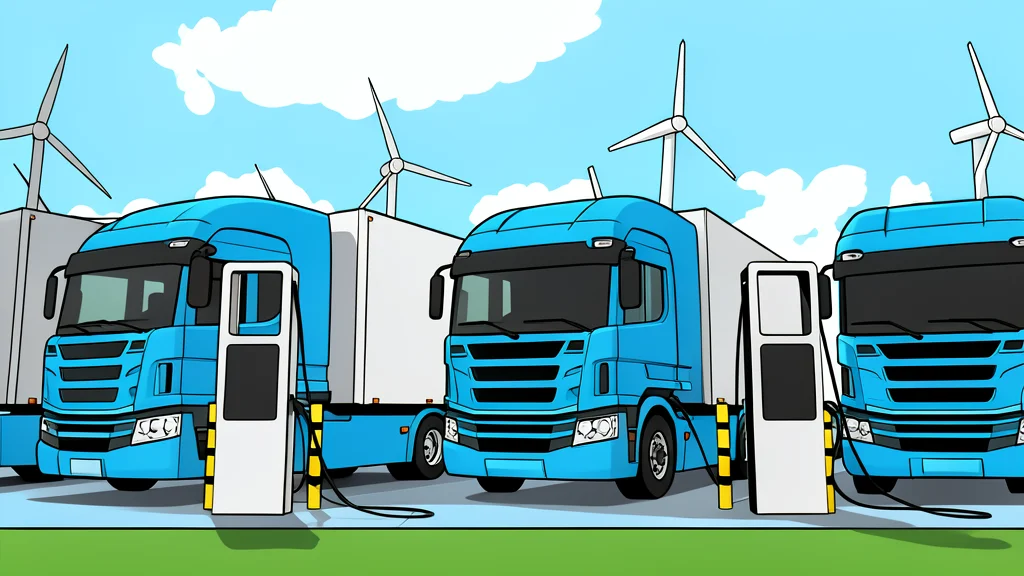
A new AU$137 million plan aims to bridge the infrastructure gap for electric trucks in Western Australia, focusing on shared hubs rather than private depots.
Purpose Energy, formerly known as Wind With Purpose, has outlined a plan to invest AU$137 million in heavy vehicle charging infrastructure across Western Australia. The project, developed through a new division called Purpose Charging, targets the Perth-Bunbury corridor, a critical route for industrial freight. This move seeks to address the specific needs of large trucks, which require more power and time to charge than standard passenger electric vehicles.
The proposal includes three large charging hubs at Forrestfield, Rockingham, and Picton, each with twelve bays, alongside two battery-swapping stations. The initiative is backed by Centurion, a Perth-based logistics operator that will help assess fleet demand and determine how the infrastructure integrates with existing mining and retail supply chains. This approach differs from typical consumer charging networks by focusing on shared, high-capacity sites for professional drivers.
Shared hubs reduce individual capital costs
A key trade-off in this model is the reliance on fixed locations rather than flexible, distributed charging. By concentrating infrastructure at specific points along a defined route, the project aims to lower the barrier to entry for smaller freight operators. According to GN auto tech/ev: electric vehicle, this shared access model mirrors recent developments in Melbourne, where similar hubs allow companies to use high-power chargers without the massive upfront cost of building their own sites.
However, this strategy requires precise coordination between infrastructure providers and logistics companies. Centurion’s involvement is intended to ensure that the charging bays match the actual schedules and battery needs of the trucks using them. This data-driven approach attempts to prevent the common issue of underutilized charging stations, which can occur when infrastructure is built without verified demand from the operators who will use it.
Regulatory barriers shape deployment strategy
Australia’s Productivity Commission recently identified planning and land-use issues as primary obstacles to electric truck adoption, rather than a simple lack of funding. Purpose Energy’s plan acknowledges these regulatory hurdles by working with established logistics firms to navigate local planning requirements. This contrasts with earlier initiatives that focused heavily on subsidizing vehicle purchases without ensuring the supporting network was ready.
The project also highlights a gap in real-world operational data. While government agencies like ARENA have funded pilot programs, there is limited public information on how electric heavy vehicles perform over long daily routes. By partnering with Centurion to assess needs before construction, Purpose Energy aims to ground its infrastructure decisions in actual fleet data, reducing the risk of building technology that does not fit the operational reality of Western Australian freight.
Technology partnerships expand the ecosystem
In addition to the infrastructure, Purpose Energy has signed an agreement with SANY Group to explore the deployment of electric trucks and battery-swapping technology. This partnership suggests a broader strategy to integrate vehicle supply with charging infrastructure, rather than treating them as separate markets. The inclusion of battery-swapping stations offers an alternative to slow charging, providing a quick turnaround for trucks that cannot afford long downtime.
This multi-faceted approach positions Western Australia as a test case for heavy vehicle electrification in a region previously underserved compared to the eastern states. The success of the Perth-Bunbury hubs will depend on how well the shared infrastructure serves diverse operators, from large mining fleets to smaller retail distributors. It represents a shift toward a coordinated network rather than isolated private depots, aiming to make the transition to electric freight viable for a wider range of businesses.