Queensland Towns Need More EV Chargers
Rural Queensland is missing out on electric vehicle tourism because high-speed chargers are often broken or nonexistent. This gap is now a local economic issue.
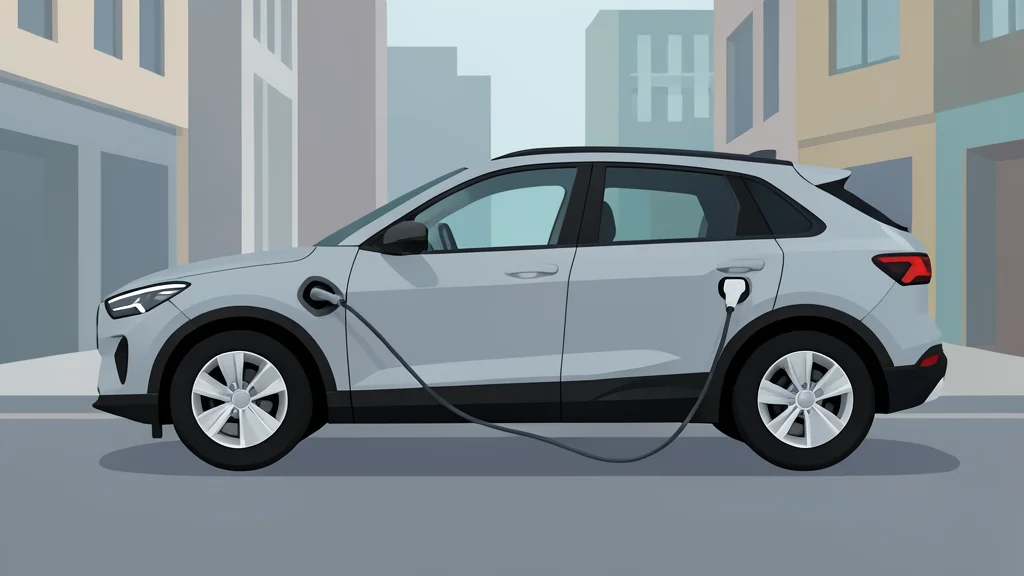
Electric vehicles are increasingly popular among Australian tourists, but they face a significant hurdle when leaving the coastal cities. In rural Queensland, high-speed charging stations are scarce and frequently out of order. This lack of reliable infrastructure limits how far drivers are willing to travel, potentially costing local businesses lost trade.
The issue came into sharp focus in Kingaroy, a small town at the crossroads of two major tourist highways. Although it is a scenic stop with wineries and national parks, the town’s primary fast-charger had been broken for months. Local officials and the electric vehicle community are now pushing for better maintenance and more stations to keep these routes viable for modern cars.
Broken Chargers Hurt Local Tourism
Kingaroy sits at a strategic junction for travelers heading inland from Brisbane. It is an ideal spot to rest, but for electric car owners, the lack of working fast chargers has been a deterrent. The local mayor acknowledges that these stations are not just utilities but economic drivers that encourage more visitors to stop and spend money in the region.
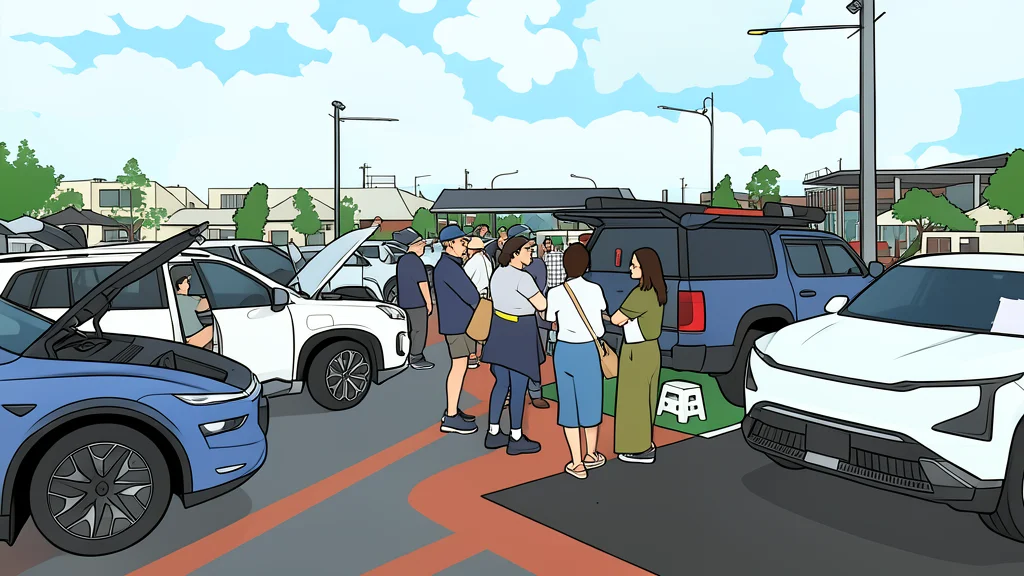
A recent community event highlighted this tension. The fast charger was only repaired shortly before the gathering, leaving many local advocates frustrated by the months of downtime. This delay suggests that when infrastructure fails, there is no quick fix, which can discourage drivers from planning trips that rely on such stops.
Drivers Rely on Reliable Routes
Participants in the Kingaroy event traveled from cities like Brisbane and Toowoomba to test the local setup. Most attended with modern electric sedans, while one driver towed a caravan, showing that these vehicles are becoming capable of heavy touring. However, the ease of the trip depends heavily on knowing that a charger will actually be working when they arrive.
Even local officials are not fully converted yet. The mayor noted that her own weekly travel habits make a hybrid car a more practical choice for her currently. This reflects a broader reality: until fast charging is ubiquitous and reliable in regional areas, many people with long commutes will continue to avoid fully electric vehicles.
Infrastructure Needs Better Maintenance
The core problem is not just the number of stations, but their reliability. In tourist regions, a broken charger is a direct loss of revenue. GN auto tech/ev: electric vehicle reports indicate that local networks are frustrated by the lack of timely repairs. For rural towns to compete for tourism dollars, they must treat charging infrastructure with the same priority as roads and water.
As electric vehicle range improves, the need for constant charging decreases, but the anxiety of finding a working station remains high. To attract more travelers, Queensland’s inland regions need a consistent commitment to maintaining these points. Without that, the scenic routes will remain inaccessible to a growing segment of the driving public.