Rivian R2 Monthly Costs vs Ford F-150
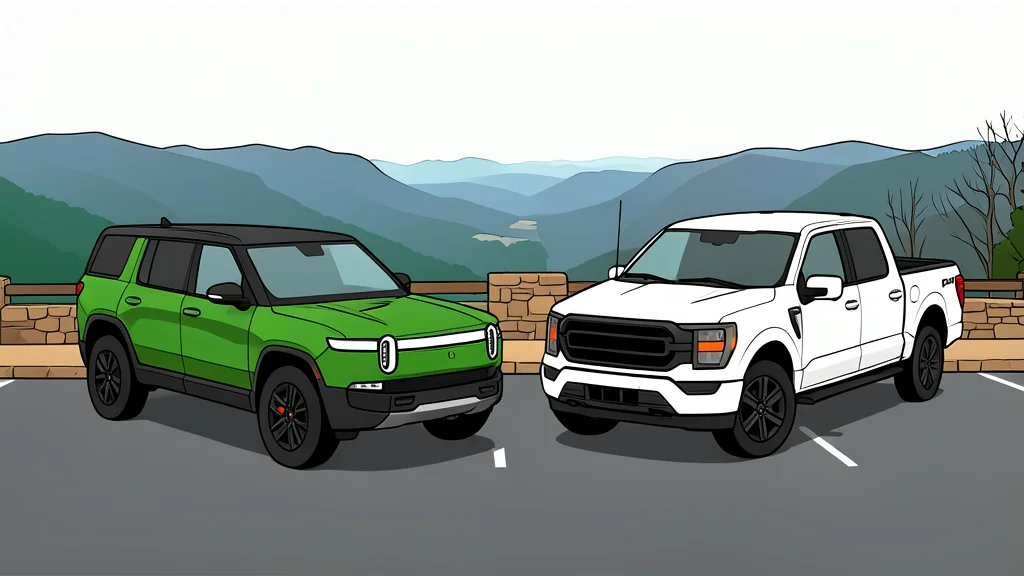
A new cost analysis reveals that while the Rivian R2 has a higher sticker price than the base Ford F-150, its monthly running costs are significantly lower for drivers who can charge at home.
The Rivian R2 is a new entrant in the mid-size SUV market, launching at a starting price of approximately $59,000. This places it above the entry-level Ford F-150, which starts around $40,000, but below high-performance gas variants like the F-150 Raptor, which costs about $79,000. The R2 offers 656 horsepower and a 0-60 mph time of 3.5 seconds, matching the performance of much more expensive combustion engines.
For California drivers covering an average of 12,000 miles per year, the financial advantage shifts to the electric vehicle. According to reporting by GN auto tech/ev, the R2 is cheaper to run monthly than a standard gas F-150, provided the owner has access to home charging. This is due to lower electricity costs compared to gasoline and reduced maintenance needs from having fewer moving parts.
Performance Parity at Different Price Points
To match the power of the Rivian R2 Performance, buyers must step up to higher trims of the Ford F-150. The supercharged V8 in the Raptor delivers 720 horsepower but carries a significantly higher MSRP. This creates a confusing market dynamic where the electric SUV is either cheaper or more expensive than its gas counterpart depending on which specific Ford model is chosen for comparison.
Practicality Depends on Usage Needs
The choice between these two vehicles often comes down to utility. The F-150 remains the superior option for hauling heavy loads like wood planks or motorcycles due to its open bed. In contrast, the R2 is a closed SUV with a spacious trunk and a hidden compartment for luggage, making it more versatile for general suburban driving and easier to maneuver in tight spaces.
The R2 measures 4.72 meters in length, which is smaller than the shortest F-150 configuration. While it lacks the raw carrying capacity of a truck, it provides ample interior space for five passengers and offers a high-end, tech-focused interior experience that contrasts with the rugged, workhorse feel of the Ford.
Home Charging Is the Key Trade-off
The primary catch in the cost savings is the requirement for home charging. The monthly cost advantage of the R2 is heavily dependent on being able to charge at residential rates, even in a high-cost state like California. Without home charging infrastructure, the economic gap narrows, and the convenience of a quick gas fill-up may outweigh the lower per-mile cost of electricity.
Maintenance also plays a role, as electric vehicles generally require less frequent and less expensive service than internal combustion engines. However, the initial purchase price remains higher for the R2 than the base F-150, meaning the savings are realized over time rather than at the point of sale.