Seoul Parking Lot Tests AI Camera for EV Fire Detection
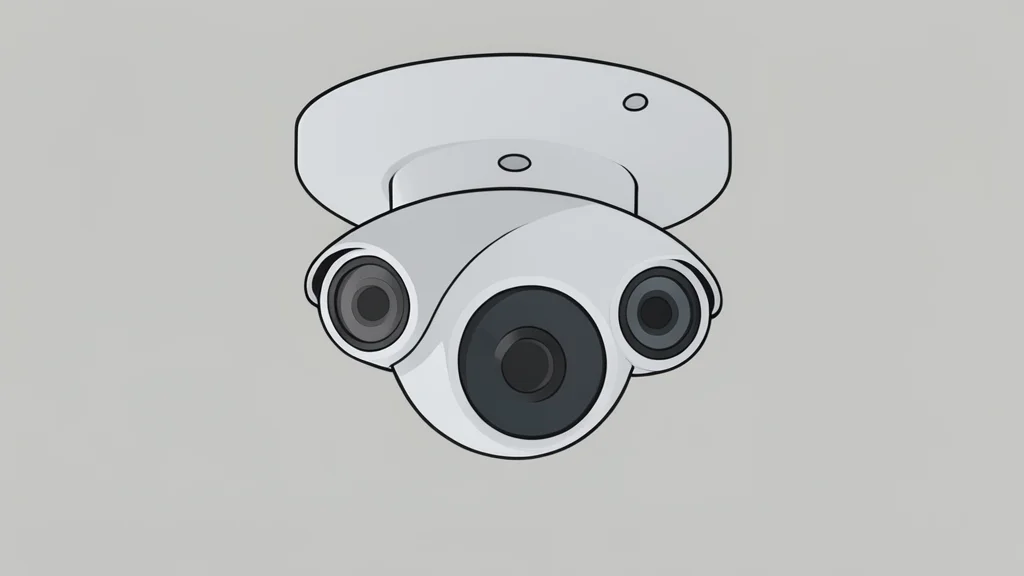
CityI Lab has installed a ceiling-mounted system in Jamsil that monitors three EVs at once to cut down on false alarms and server costs.
Key points
- CityI Lab deployed a ceiling-mounted AI system in Seoul’s Jamsil district to detect EV fires.
- The system uses multisensor technology to monitor three vehicles per unit and reduce false alarms.
- Edge processing lowers infrastructure costs by analyzing data locally before sending alerts.
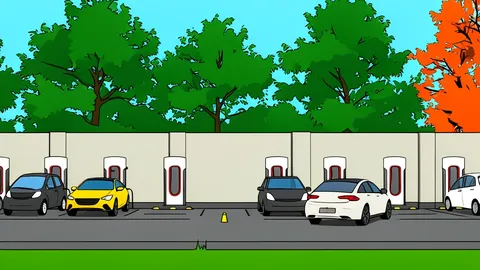
A public parking lot in Jamsil, Seoul, has become a test site for a new approach to preventing electric vehicle fires. CityI Lab has deployed a ceiling-mounted camera system designed to watch multiple cars at once, aiming to catch the early signs of a battery fire before it spreads to neighboring vehicles.
The system relies on a combination of visual data and thermal imaging to identify abnormal heat or smoke. By focusing on specific parking spaces, the technology helps facility managers respond faster than traditional single-sensor alarms, which often suffer from a high rate of false positives.
Combining sensors to reduce false alarms
Standard fire detection systems often rely on a single type of input, leading to frequent false alarms that can desensitize monitoring staff. CityI Lab’s solution addresses this by using a three-way multisensor setup. It merges visible-light video, thermal imaging, and dedicated flame sensors into a single analysis stream.
This layered approach allows the system to cross-verify signals. If a thermal sensor detects heat, the video and flame sensors confirm whether it is actually a fire or just a reflection or a hot surface. According to reports from kspost.biz, this significantly lowers the noise level, ensuring that alerts are only triggered when there is a genuine threat.
One camera covers three parking spaces
The hardware is designed for efficiency in crowded environments. A single ceiling-mounted unit is capable of monitoring up to three vehicles simultaneously. When a potential hazard is detected, the system highlights the specific affected parking space on the monitoring interface.
This granular level of detail allows managers to isolate the problem area immediately. Instead of scanning a wide-angle view of the entire lot, they can review video and sensor data for the specific car in question. This speed is critical in the early stages of a battery fire, where seconds can determine whether the incident remains contained.
Lower costs through edge processing
Beyond safety, the system offers a practical advantage in infrastructure costs. The cameras use edge computing to analyze video and sensor data locally before sending information to the central system. Only key alerts and relevant data packets are transmitted, rather than continuous high-bandwidth video streams.
This reduces the need for expensive, high-performance servers and minimizes installation and operating expenses. CityI Lab notes that this cost structure makes the solution viable for a wider range of public parking facilities, regardless of their size or layout. The company plans to use the Jamsil deployment as a base for further improvements before expanding to other charging areas.