Stellantis Unveils BOW Autonomous Delivery Concept
A new boxy electric vehicle aims to replace human drivers in city logistics, but key performance details remain hidden.
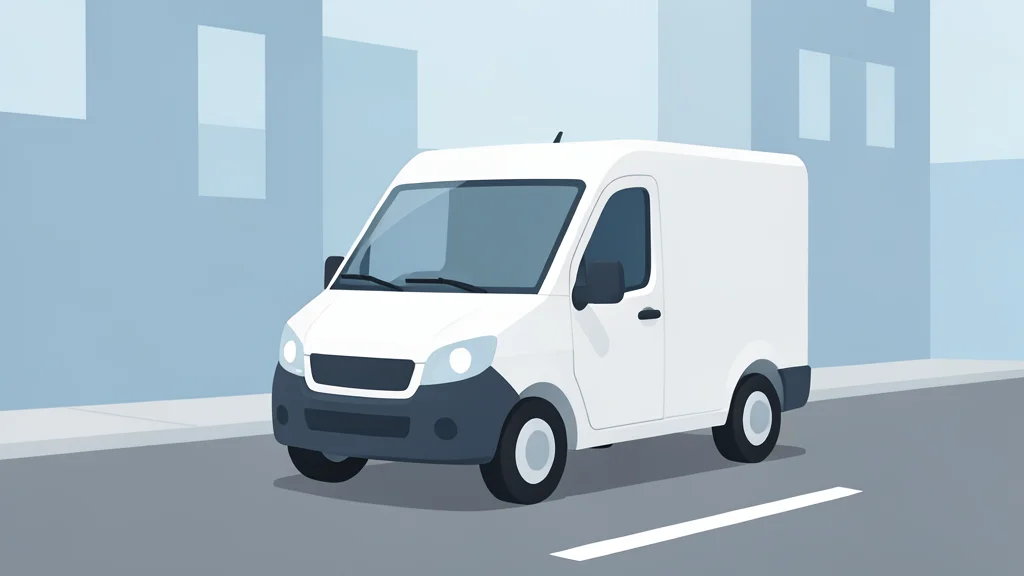
Stellantis Pro One has introduced a new autonomous electric vehicle designed for last-mile delivery. The vehicle, nicknamed BOW or Box-on-Wheels, marks a shift from traditional vans to a fully driverless platform. It was publicly displayed for the first time at the IAA Transportation event in Hannover.
The project is a collaboration with UQI Robotics, a joint venture specializing in artificial intelligence. The goal is to test how autonomous driving and electrification can reshape urban commercial operations. However, the manufacturer has not yet disclosed critical technical specifications such as battery range or payload capacity.
Designing for Restricted Urban Zones
Cities are increasingly imposing strict emissions rules and limiting access for conventional delivery trucks. BOW is built to navigate these constraints by operating without a driver. This allows it to function in low-emission zones and controlled areas like hospitals or airports where standard vans may face restrictions.
The vehicle is intended to reduce reliance on human-operated fleets in specific applications. By removing the driver, the design focuses entirely on the cargo space and autonomous navigation systems. This approach targets the growing demand for fast and efficient urban logistics.
Missing Technical Details Create Uncertainty
Despite the public debut, significant questions remain about the vehicle's capabilities. Stellantis has not released data on battery capacity, driving range, or the specific sensors used for autonomous driving. Without these figures, it is difficult to assess how far the vehicle can travel or how much weight it can carry.
This lack of transparency is a notable trade-off in the early concept phase. Potential customers cannot yet evaluate the total cost of ownership or the operational limits. The company positions BOW as a platform for a broader logistics ecosystem rather than just a standalone vehicle, which may delay the release of granular hardware specs.
European Testing Defines the Strategy
Europe will serve as the initial testing ground for the technology. The partnership aims to adapt autonomous logistics to local regulatory and infrastructure requirements. This region-specific approach is significant because European fleets face different operational challenges compared to other markets.
According to GN auto tech/ev: electric vehicle, this initiative is part of Stellantis' FaSTLAne 2030 strategy. The plan involves creating a support framework for commercial customers, including fleet integration and digital services. The ultimate goal is to integrate the vehicle into a connected logistics operation rather than treating it as a simple transport tool.