Tesla Austin Robotaxi Fleet Drops to 8 After Launch Spike
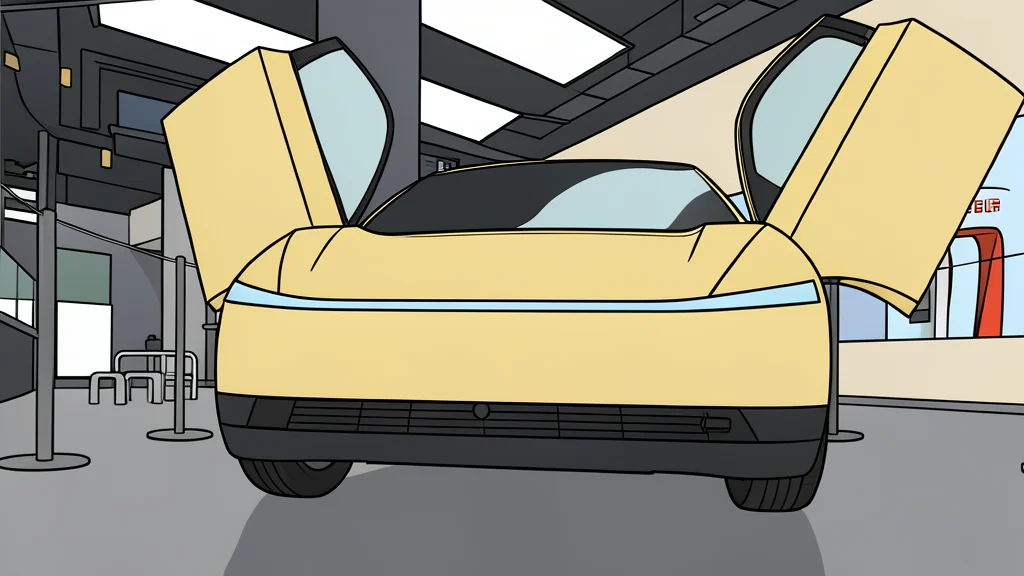
Tesla's active robotaxi fleet in Austin fell back to eight vehicles following the Cybercab event, showing no net growth since the 2025 launch.
Key points
- Tesla's active robotaxi fleet in Austin dropped to eight vehicles after a brief spike during the Cybercab launch event.
- The active fleet size is now similar to the June 2025 launch level, indicating no net growth in fifteen months.
- Only eight of 476 registered Tesla autonomous vehicles were confirmed carrying passengers in the last seven days.
Tesla’s active robotaxi fleet in Austin has shrunk to just eight vehicles, according to recent data from community tracker Robotaxi Tracker. This figure represents a sharp decline from a temporary surge that saw over 100 vehicles operating in the city during early September.
The drop is particularly significant because it means the active fleet size is now roughly the same as when the service first launched in June 2025. Despite fifteen months of development and a high-profile launch event, the number of cars actually carrying passengers has shown no net growth.
Temporary surge masks stagnant growth
The brief increase in activity coincided with Tesla’s Cybercab launch event on September 3. The company invited supporters and influencers to test the steering-wheel-free vehicles, generating a wave of social media posts and ride videos. However, this activity was short-lived, with the seven-day active count collapsing back to single digits by late September.
One notable ride during the launch period turned a ten-minute trip into a 70-minute detour, highlighting ongoing operational challenges. Once the invited guests left the city, the volume of visible robotaxis dropped significantly, leaving the service with a minimal active presence.
Registered vehicles differ from active ones
There is a substantial gap between the number of vehicles Tesla has registered and the number actually operating on the road. While the Texas DMV records show 476 registered autonomous vehicles, including 67 Cybercabs, trackers have only matched 265 of these to license plates spotted in public.
Critics point out that registration counts often mislead investors and the public about actual service capacity. Of the registered fleet, only 179 vehicles were seen at all in the past month, and just eight were confirmed carrying passengers in the last week. This discrepancy suggests that the paper growth in the fleet does not translate to real-world usage.
Safety concerns limit deployment scale
The limited active fleet appears to be a deliberate choice driven by safety concerns. As noted by Electrek, Tesla faces potential accident risks if it deploys the system at a larger scale. To mitigate this, the company restricts operations to geo-fenced areas and lower speeds, which inherently limits the number of vehicles that can be active simultaneously.
This approach creates a tension between marketing claims and operational reality. While Tesla positions itself as a leader in autonomous driving, the actual number of cars providing rides has remained stagnant for fifteen months. The current model relies on a small, controlled fleet rather than broad, scalable service, raising questions about the pace of its autonomous expansion.