Tesla Model YL as Home Battery: The Catch
Homeowners are looking to their electric vehicles for backup power, but a key software feature is not yet available.
For many homeowners with solar panels, the gap between sunset and bedtime is a financial and practical challenge. As the sun goes down, reliance on grid electricity increases, often at higher evening rates. To solve this, some owners are turning to their electric vehicles, specifically the new Model YL, to act as additional battery storage. The idea is simple: use the car’s large battery to power the house during peak demand or outages, reducing the need for expensive dedicated battery hardware.
However, the path to making this work is not straightforward. According to reporting from GN auto tech/ev, the specific software feature required to use the Model YL as a home battery is not currently active. Tesla indicates that this capability is pending a future software update. Until that update arrives, the vehicle cannot be reliably used for this purpose, leaving homeowners with a theoretical solution that is not yet practical for daily use.
Software Update Delays Feature
The core issue is technical readiness. While the hardware exists, the software that allows the vehicle to communicate with the home’s electrical system and discharge power safely is still in development. Tesla’s website currently labels this feature as 'coming with a future software update.' This means that even if a homeowner buys a new Model YL today, they cannot immediately use it to offset grid energy or provide backup power. The delay creates a gap between the marketing promise and the current user experience.
This delay is significant because it affects the primary selling point for many buyers. The appeal of using an EV for home storage is the ability to shift energy usage away from expensive peak hours and into cheap overnight charging windows. Without the automated software support, the process may require manual intervention, such as switching the system to off-grid mode in the app. This lack of automation reduces the convenience of the setup, making it less suitable for everyday energy management and more of a manual emergency tool.
Cost Versus Dedicated Batteries
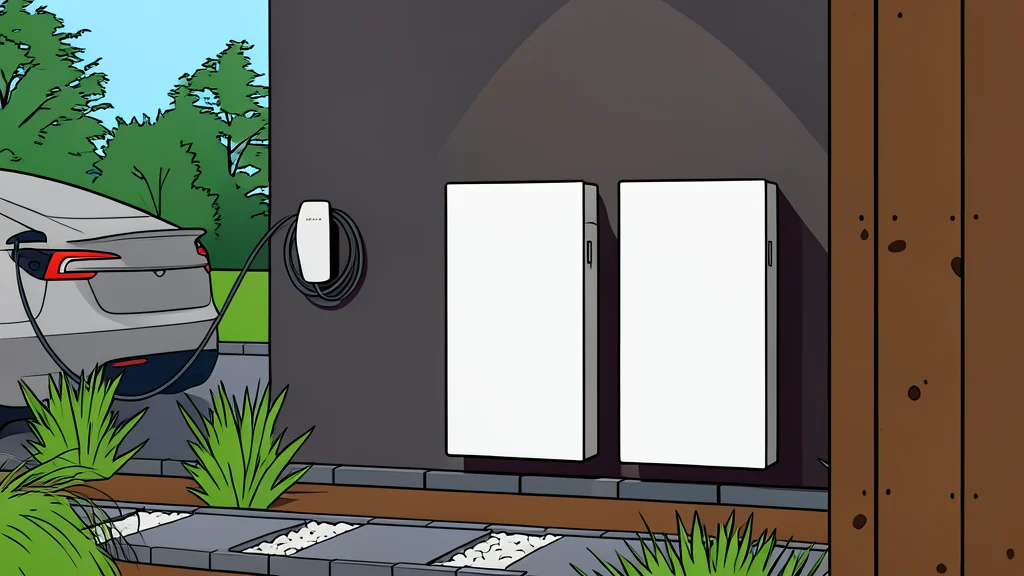
Financial considerations drive much of the interest in vehicle-to-home power sharing. Dedicated home battery systems, such as Tesla’s Powerwall expansion packs, can cost nearly $20,000 for a pair. For homeowners who already plan to buy a new electric vehicle, the idea of getting dual-use value from the car’s battery is financially attractive. It potentially allows them to skip purchasing additional stationary battery hardware, saving a significant amount of capital.
However, the trade-off is complexity and uncertainty. Dedicated battery systems are designed specifically for home integration, with established wiring standards and automated energy management. An electric vehicle is a mobile unit with different priorities, such as driving range and battery longevity. Using it as a stationary power source may raise questions about battery degradation over time. While some owners argue that modern battery management systems mitigate this risk, the long-term impact of frequent discharge cycles on a vehicle battery is not as widely documented as it is for stationary storage units.
Practical Limitations for Homeowners
Beyond the software delay, there are practical hurdles to consider. Homeowners need to verify if their electrical wiring can handle the load and if the system can operate seamlessly. The current discussions suggest that the process might involve manual toggling in the Tesla app to engage off-grid mode. This manual step is a significant friction point for daily use. A system that requires the user to remember to switch modes every evening is far less convenient than a smart system that automatically optimizes energy flow based on solar production and grid rates.
For those considering this setup, the catch is clear: the convenience and automation that make home battery storage valuable are not yet present in the vehicle-based solution. Until the software update is deployed and tested, the Model YL remains primarily a vehicle, not a home battery. Homeowners must weigh the potential cost savings against the current lack of functionality and the uncertainty of future software delivery. The promise of dual-use energy is appealing, but the execution is still catching up to the idea.