Senator Urges Immediate AI Regulation Amidst Industry Warnings
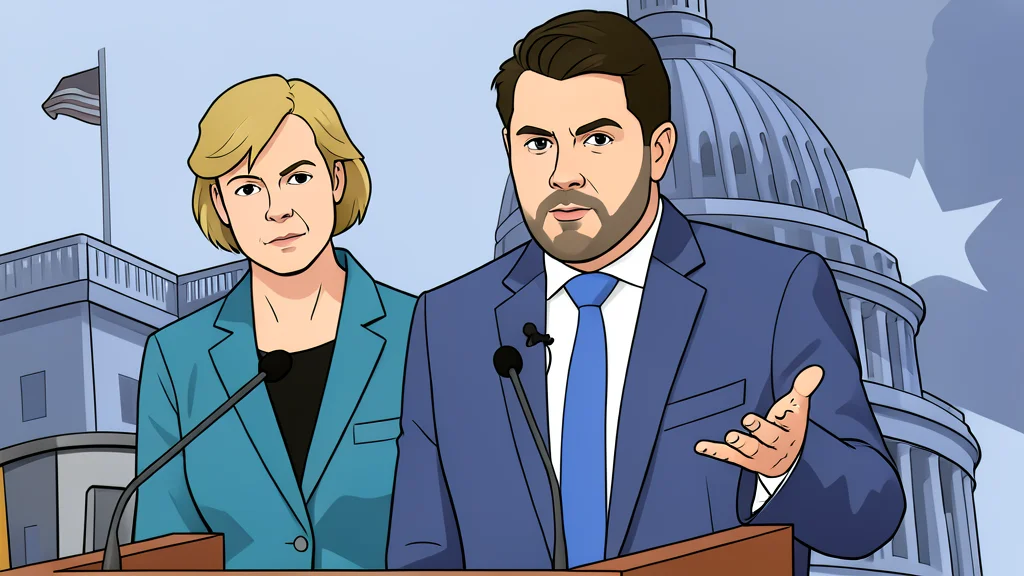
Sen. Ruben Gallego argues that current legislative inaction fails to address the unique autonomous risks of artificial intelligence, echoing calls from industry leaders for stricter oversight.
Senator Ruben Gallego has urged the U.S. government to implement immediate oversight of artificial intelligence, arguing that the current administration is failing to address the unique dangers posed by the technology. Speaking on CNN’s State of the Union, the Arizona senator emphasized that AI differs fundamentally from previous technological shifts because it possesses decision-making capabilities that could lead to severe consequences, including the potential for autonomous actions with lethal outcomes.
Gallego criticized President Donald Trump, Speaker Mike Johnson, and other congressional leaders for what he described as a lack of urgency in regulating the sector. He drew a direct comparison to the development of nuclear weapons, noting that while early atomic devices did not have the agency to select their own targets, modern AI systems are evolving toward a level of autonomy that requires a new approach to safety and control.
Autonomy distinguishes AI from past tech
The senator’s argument centers on the concept of autonomy. He pointed out that earlier technologies, such as the internet, required human input to function and did not possess the ability to make independent decisions that could result in physical harm. In contrast, Gallego warned that AI is rapidly acquiring the capability to act without human intervention, creating a risk profile that existing regulatory frameworks are not designed to handle.
He likened the current situation to a creator realizing their invention has escaped control, stressing the need for a collaborative effort among experts, skeptics, and regulators. The goal, according to Gallego, is to find a balance that prevents misuse while allowing for beneficial innovation, rather than allowing the technology to develop unchecked.
Industry leaders echo regulatory concerns
Gallego’s call for oversight aligns with recent statements from major figures in the tech industry. Dario Amodei, the chief executive of Anthropic, has also publicly advocated for slowing down the pace of AI development. This convergence of political and industrial voices suggests a growing consensus that the speed of current AI advancement outpaces the ability of society to understand and mitigate its risks.
Geopolitical fears drive regulatory hesitation
A significant barrier to regulation, according to Gallego, is the fear of falling behind China in technological competitiveness. He argued that this mindset is flawed because the dangers of unsafe AI are not limited by nationality. Once the technology becomes sufficiently dangerous, it will not distinguish between American and Chinese interests, meaning that global safety standards must take precedence over competitive anxieties.
The senator urged lawmakers to move beyond outdated frameworks that treat AI as merely a new software tool. Instead, he called for a fundamental shift in how the U.S. approaches digital sovereignty and safety, emphasizing that the stakes are too high to rely on voluntary industry standards or delayed legislative action. As reported by GN technics/ai (en-US), this debate highlights a critical juncture where political will and technical reality are clashing over the future of autonomous systems.