Why We Feel Numb About AI Extinction Risks

A growing sense of indifference toward existential AI threats is masking a deeper societal paralysis. This article explores how technological saturation and economic anxiety have dulled our collective urgency to address a preventable crisis.
A creeping sense of bleakness has settled over public discourse regarding the future. In recent months, conversations about artificial intelligence have shifted from excitement to a strange, glazed indifference, even when the topic is human extinction. This apathy is not necessarily due to a lack of information, but rather an overwhelming saturation of doomsday scenarios that have become ambient background noise in daily life.
The reaction to potential AI-driven catastrophe is often one of resignation rather than alarm. For many, the threat feels less like an immediate danger and more like an inevitable atmospheric condition, similar to pollution. This numbness complicates the ability to organize collective action or even discuss the issue with the urgency it arguably deserves.
Personal stakes behind global fears
According to reporting by GN technics/ai (en-US), this collective mood is deeply personal. Middle-aged parents may question whether they made a mistake by bringing children into a world with uncertain employment prospects. Younger individuals struggle to choose career paths when the longevity of their chosen profession is unclear. Older generations, meanwhile, may feel a grim relief that they will not be present to witness the full unraveling of social and economic stability.
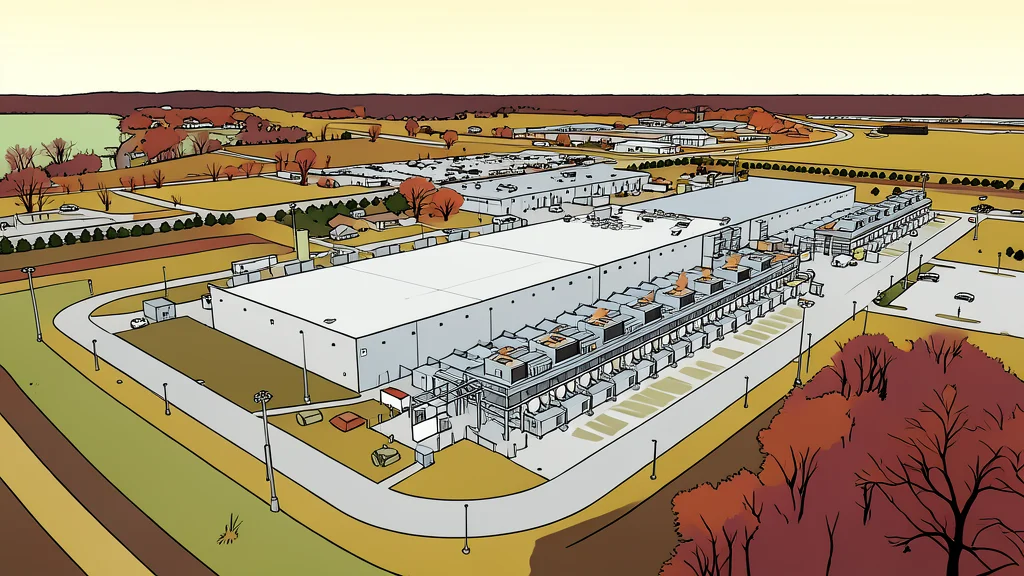
These anxieties stem from a variety of sources, including fears of job displacement, environmental strain from data center energy consumption, and the rapid integration of AI into mental health services. The uncertainty is not just about technology, but about the fundamental value of human labor and critical thought in an automated world.
Sources of societal paralysis
Several factors contribute to this widespread passivity. Nearly two decades of smartphone usage and algorithm-driven social media have shortened attention spans, making it difficult to sustain focus on long-term, complex threats. Additionally, the immense political and economic power held by major tech companies can make individuals and governments feel powerless, fostering a sense that resistance is futile.
There is also a cultural narrative of inevitability, where AI is viewed as the final, unstoppable invention. This perspective echoes historical fears of industrialization, where some felt that opposing technological progress was a losing battle. The result is a society that accepts these changes as natural law rather than political choices.
Reclaiming human agency and purpose
Breaking out of this nihilism requires a shift in perspective rather than a technical fix. The first step is to recognize that the threat is currently preventable and that inaction is a choice. By returning to first principles of human flourishing, society can define what it values beyond efficiency and speed.
Human well-being is rooted in the struggle to solve problems and the pleasure of critical thinking, not in having machines perform these tasks. Reasserting these values allows individuals and communities to push back against the erosion of agency, transforming passive fear into active engagement with the future.