Tesla Partners with Forum Mobility to Expand Truck Charging
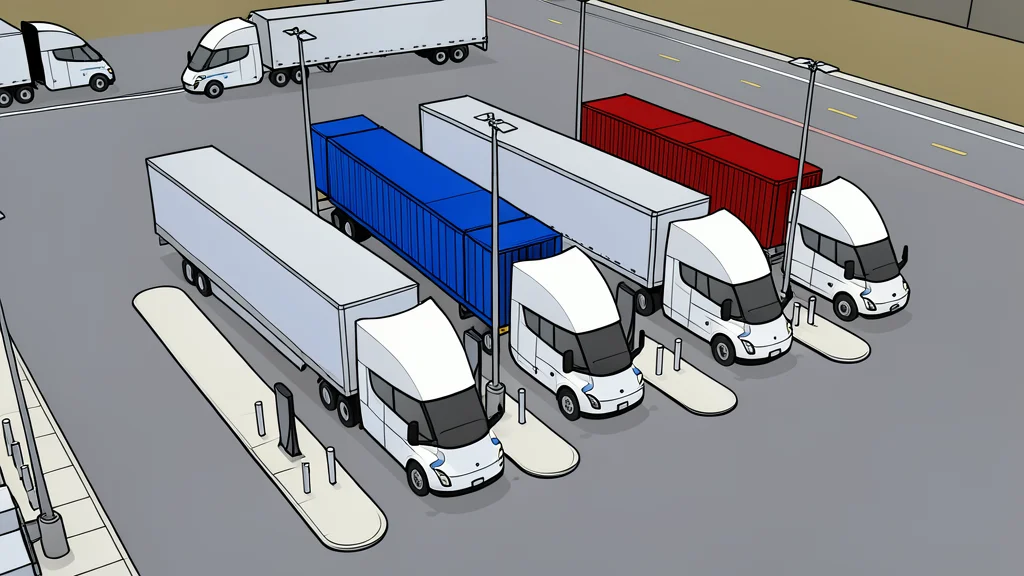
Tesla is expanding its heavy-duty charging network by operating Megachargers at partner-owned depots, marking a shift toward a collaborative infrastructure model.
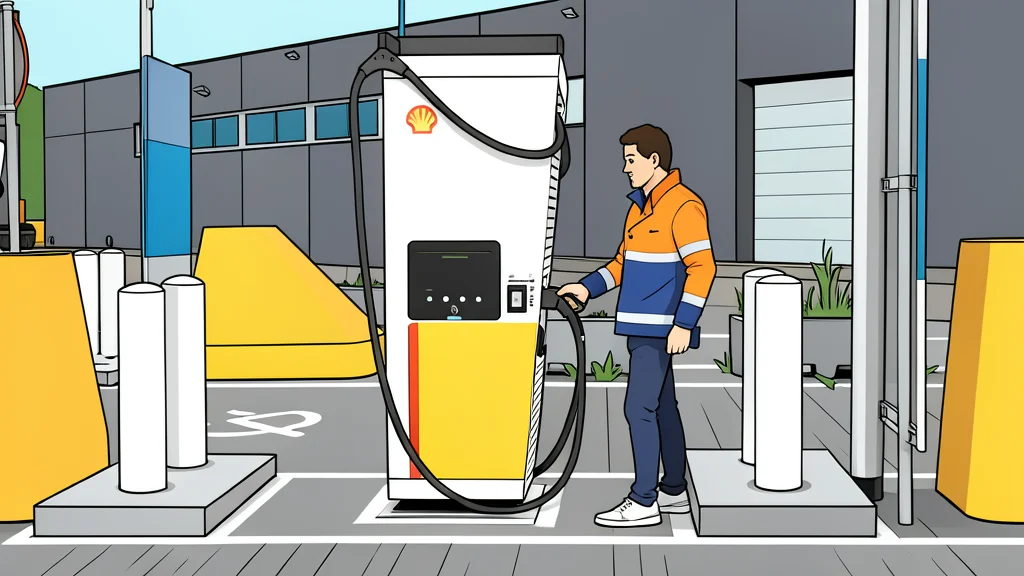
Tesla has announced it will operate public Megacharger sites at three electric truck depots owned by Forum Mobility, one of the largest heavy-duty charging operators in the United States. This arrangement allows Tesla to expand its charging footprint without directly managing the real estate or site construction. The move signals a strategic shift in how Tesla builds out its Semi truck charging network, relying more on established infrastructure partners than solely on company-owned stations.
According to Electrek, this partnership involves three of four new California depots that Forum Mobility is preparing to break ground on. The collaboration is significant because it brings another 30 megawatts of heavy-duty charging capacity online while supporting reservations for over 330 Tesla Semis. This approach allows the charging network to scale rapidly in key freight corridors without Tesla bearing the full cost of land acquisition and facility development.
New Sites Located In Key Freight Hubs
The new Megacharger locations will be installed at FM Francis in Ontario, and at FM Adeline and FM Coliseum in Oakland. A fourth site, FM Santa Fe in Rancho Dominguez, is primarily contracted for fleet capacity but remains open to the broader drayage community. These locations are strategically chosen for their proximity to major ports and distribution centers, where short, predictable routes align well with current battery electric vehicle ranges.
All four depots feature pull-through lanes that allow drivers to charge their trucks without unhooking trailers, a critical efficiency gain for commercial logistics. The stations mix the new Megawatt Charging System with traditional CCS ports. Forum Mobility notes that the MCS chargers can add up to 60 percent of range in approximately 30 minutes, reducing downtime for drivers on tight schedules.
Open Standard Hardware Enables Multi-Brand Charging
A key aspect of this deal is that the hardware runs on the open MCS 3.2 standard. This means the chargers are not limited to Tesla vehicles; they can also power electric trucks from competitors like Daimler, Volvo, and Scania. For Tesla, the business model involves selling the Megacharger hardware for 188,000 dollars and collecting a fee of 0.08 dollars per kilowatt-hour for third-party charging. This rate is 20 percent lower than the company’s standard Supercharger for Business rate, aiming to make heavy-duty electric charging more economically viable for fleet operators.
This partnership helps fill in a map of 66 planned Megacharger locations, with the bulk targeted for deployment this year. By leveraging partner depots, Tesla can accelerate the availability of fast charging infrastructure in North America, a region that is currently lagging behind other parts of the world in freight electrification. The model reduces Tesla's capital expenditure on real estate while still allowing it to capture revenue from charging services.
Economic Trade-offs For Fleet Operators
While the expanded network offers convenience and speed, fleet operators must weigh the costs against the benefits. The per-kilowatt-hour fee, though reduced, still represents an ongoing operational expense. However, Forum Mobility’s CEO, Matt LeDucq, argues that the total cost of ownership for battery-electric class 8 trucks is already highly favorable, driving rapid adoption among motor carriers. The clustering of depots around ports like Oakland and Long Beach further supports this by minimizing range anxiety for drayage trucks.
The California sites were funded in part by state and regional grants, which helps lower the initial barrier to entry for operators. As Forum Mobility continues to expand into other cities including Las Vegas, Phoenix, and Seattle, the reliance on partner-owned infrastructure will likely grow. This hybrid model of manufacturer-operated charging on third-party land could become a standard approach for scaling heavy-duty electric vehicle infrastructure, balancing speed of deployment with financial sustainability.