Tesla Roadster Reveal Promises Thrusters but Lacks Practicality
Tesla is set to unveil its long-delayed Roadster next month, featuring experimental SpaceX thrusters. However, the vehicle may remain a niche concept rather than a practical purchase for most consumers.
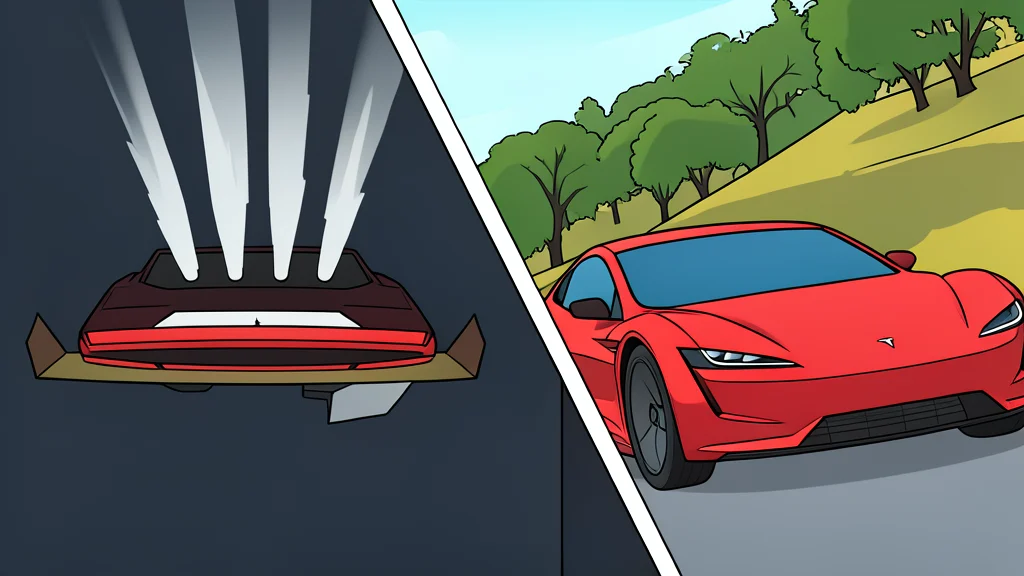
Tesla has scheduled the public debut of its next-generation Roadster for October 1, ending a nine-year wait for a vehicle that many early backers have already abandoned. The teaser materials released over the weekend hint at a dramatic show, featuring a large rear spoiler and what appears to be a quad-thruster system spraying gas, consistent with Elon Musk’s earlier claims about using SpaceX technology for extreme acceleration.
While the event is expected to be a spectacle, reports from GN auto tech/ev: electric vehicle suggest the vehicle may never achieve street-legal status for the general public. Critics argue that Tesla is prioritizing theatrical stunts over building a reliable, purchasable sports car, raising questions about the company’s focus on consumer utility versus brand mythology.
Experimental Thrusters Define Performance
The core innovation teased is the integration of cold-gas thrusters, a technology typically used in aerospace to maneuver satellites in space. By applying this to a ground vehicle, Tesla aims to achieve sub-two-second 0-60 mph acceleration and a top speed of 250 mph. This approach bypasses traditional mechanical limitations, using bursts of gas to propel the car forward instantly.
However, this technology comes with significant trade-offs. Cold-gas systems require high-pressure tanks and complex deployment mechanisms that add weight and complexity. More importantly, such a system is unlikely to meet regulatory standards for public roads, meaning the vehicle could be restricted to private tracks or controlled environments, limiting its appeal to the average buyer.
Theatrical Launch Risks Buyer Trust
The location of the launch, confirmed as Waco, Texas, suggests a curated experience rather than a standard auto show. Tesla has a history of using dramatic reveals, such as the 2024 Cybercab launch, which featured tele-operated robots and controlled environments to ensure smooth demonstrations. While visually impressive, these events often mask the lack of real-world readiness in the technology presented.
For investors and customers who placed deposits in 2017, the repeated delays have eroded confidence. Influential figures, including tech reviewers, have publicly withdrawn their interest, citing the prolonged wait and shifting promises. The risk is that the Roadster becomes another symbol of aspirational marketing rather than a tangible product, further distancing Tesla from the practical needs of its customer base.
Accessibility Remains A Major Question
The primary concern for the broader market is whether this vehicle will ever be available for purchase. If the thruster system renders the car illegal for street use, it effectively becomes a niche performance tool for the ultra-wealthy, rather than a mainstream sports car. This limits Tesla’s ability to compete in the luxury EV segment with a tangible, drivable product.
Ultimately, the Roadster reveal will test Tesla’s ability to balance innovation with practicality. If the car is confined to private use, it reinforces the perception that Tesla is drifting away from building accessible technology. The stakes are high: success could redefine electric performance, but failure will cement the narrative of a company more interested in showmanship than service.