Thermo King Launches Four New Electric Refrigeration Units
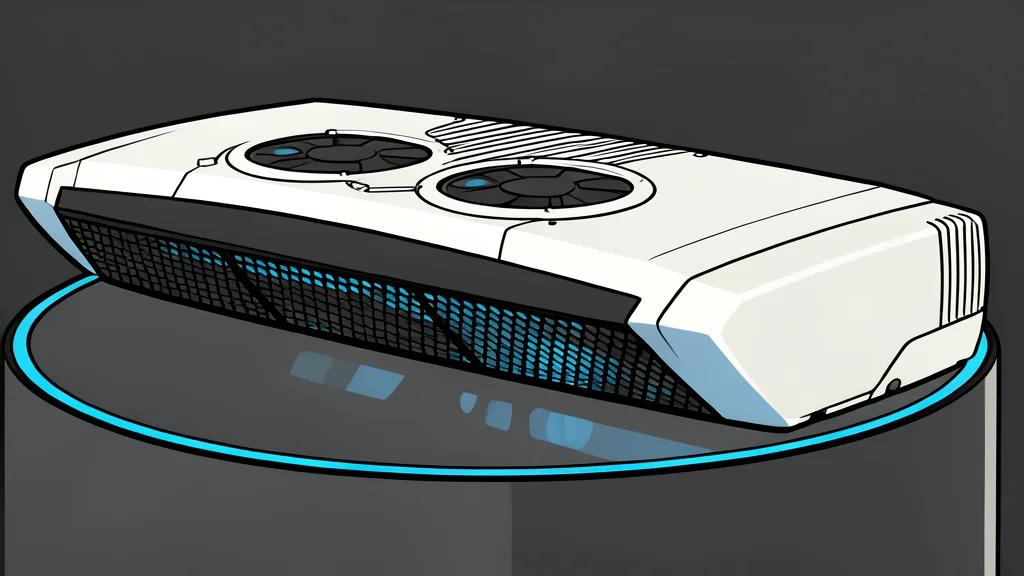
Thermo King has introduced four new all-electric refrigeration models for the Asia Pacific region, aiming to enhance urban cold chain logistics with improved energy efficiency and remote monitoring capabilities.
Thermo King has expanded its all-electric vehicle series with the launch of four new refrigeration models tailored for the Asia Pacific market. The new units, named EV500S, EV500e, EV300e, and EV200e, are designed to support urban distribution and last-mile delivery of temperature-sensitive goods. According to the company, these models improve operating energy efficiency by 8.3 percent compared to previous generations, addressing the critical need for power conservation in electric trucks.
The expansion targets specific logistics challenges, such as frequent door openings and varying cargo loads. The EV500 series is intended for transporting fruits, vegetables, and pharmaceuticals, while the smaller EV200e and EV300e units focus on high-frequency routes between cold storage facilities and retail outlets. This segmentation allows fleets to select equipment that matches the energy constraints of their specific electric vehicle platforms, a trade-off that often limits the range or payload of standard refrigeration systems.
Enhanced Cooling Performance and Control
To maintain cargo integrity, the new series utilizes an intelligent control architecture that adjusts cooling output in real time. The system maintains temperature stability within a tight margin of plus or minus 0.5 degrees Celsius, which is crucial for sensitive products like vaccines or fresh produce. An economy mode is also available to reduce energy consumption without compromising cooling performance, helping operators maximize the available battery range of their electric vehicles.
This improved responsiveness is particularly relevant for urban delivery routes where drivers must open and close the cargo compartment repeatedly. By restoring temperatures more quickly after such interruptions, the units reduce the risk of spoilage and the need for excessive cooling, which drains battery power. As reported by GN auto tech/ev: electric vehicle, these technical adjustments represent a practical response to the operational realities of city logistics.
Remote Monitoring and Digital Connectivity
The new refrigeration units can be equipped with the iTracKing II intelligent system, which enables remote monitoring and two-way control. Using industrial-grade hardware, the system provides real-time data on vehicle location, cargo compartment temperature, and unit operating status via a mobile application. This connectivity allows fleet managers to track conditions from a distance, potentially reducing the need for manual checks and allowing for quicker responses to temperature deviations.
Implications for Urban Fleet Operations
For logistics companies in the region, this expansion offers more tailored options for integrating refrigeration into electric vehicle fleets. The combination of better energy efficiency and digital oversight aims to help operators manage their cargo more effectively while conserving power. However, the success of these units depends on their ability to withstand the rigors of daily urban use while maintaining the promised efficiency gains, a balance that remains a key challenge in the transition to electric cold chain transport.