Toyota C-HR EV Recall Targets Cold Weather Battery Glitch
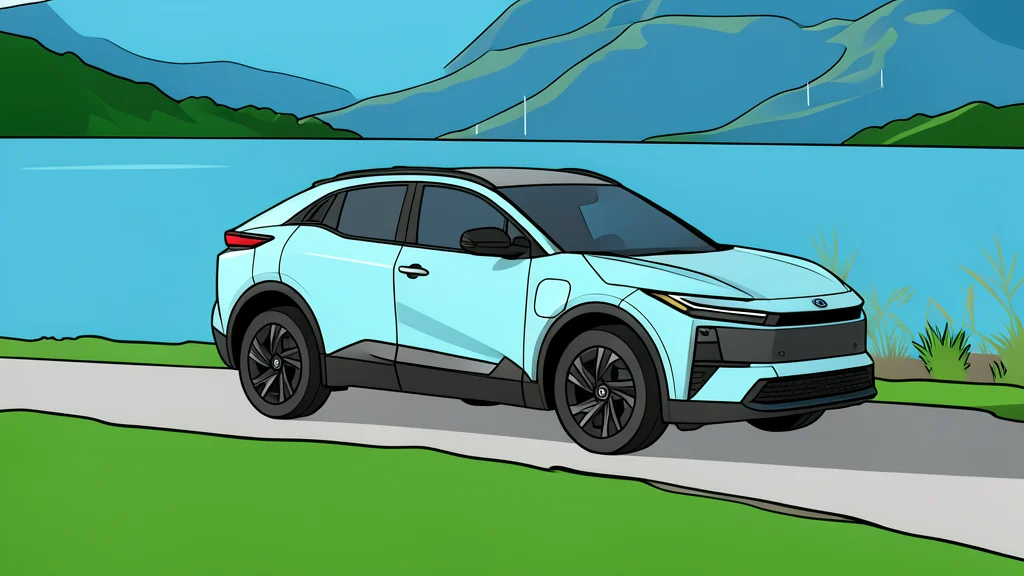
A specific software flaw in the 2026 Toyota C-HR electric crossover can cause a sudden loss of drive power under certain cold-weather conditions. Toyota is recalling 8,521 vehicles to fix the issue before it affects drivers on the road.
Toyota has issued a safety recall for 8,521 of its 2026 C-HR electric crossovers after identifying a software error that can abruptly cut off propulsion. The flaw, detected during internal testing before any customer reports emerged, causes the vehicle’s battery management system to shut down the electric drive train in specific scenarios. While no accidents or warranty claims have been recorded, the potential for sudden power loss at speed presents a significant safety risk that requires immediate correction.
The issue stems from a bug in the Battery Electric Vehicle Electronic Control Unit, which manages energy flow to the traction battery. Under normal conditions, this system limits charging rates to prevent damage. However, due to the software error, the limit fails when three specific factors align: cold ambient temperatures, a battery that is already near full charge, and extended regenerative braking. This combination can occur when coasting down a long, steep hill on a cold day. The system then allows the battery to overcharge, triggering a defensive shutdown that kills drive power without prior warning.
Specific Conditions Trigger the Failure
According to reporting by GN auto tech/ev, the failure mechanism is narrow but dangerous. When the overcharge state is detected, the control unit halts the entire electric drive system to protect the battery from thermal or voltage damage. At that moment, the car loses all propulsion, leaving the driver to coast on inertia. Warning lights and a buzzer activate, but the vehicle is already in a low-traction state, which is particularly hazardous on wet or icy mountain roads. The affected vehicles were manufactured between February and July 2026 at Toyota’s Takaoka plant in Japan.
Toyota engineers discovered the bug in April 2026 while testing an unreleased model. They cross-referenced the code and found the same logic error in the C-HR. The company confirmed that no other Toyota or Lexus models in the United States share this specific flaw. Because the C-HR does not support over-the-air updates for this particular control module, the fix cannot be downloaded remotely. Instead, owners must visit a dealership to have the software reflash performed.
Early Detection Prevents Real World Incidents
The early discovery is a critical positive outcome. Toyota’s NHTSA filing states that zero field technical reports and zero warranty claims related to this condition have been received. This suggests that the specific combination of cold weather, high state of charge, and sustained downhill braking is rare enough that most drivers have not yet encountered it. However, the risk remains for those who drive in mountainous or colder regions. The recall ensures that the safety net is in place before an owner experiences a sudden loss of control.
Owners Must Visit Dealers for Repair
Toyota will begin mailing official recall notification letters on October 18, 2026. Owners should bring their vehicles to any authorized Toyota dealership to receive the software update, which corrects the battery protection logic. The repair is performed at no cost to the owner. Those who wish to act before receiving the letter can contact Toyota directly to schedule the appointment. The fix is a straightforward software reflash, but it requires a physical connection to the vehicle’s systems, making a dealer visit mandatory.