Toyota RAV4 and Hyundai Tucson Plug-In Hybrid Comparison
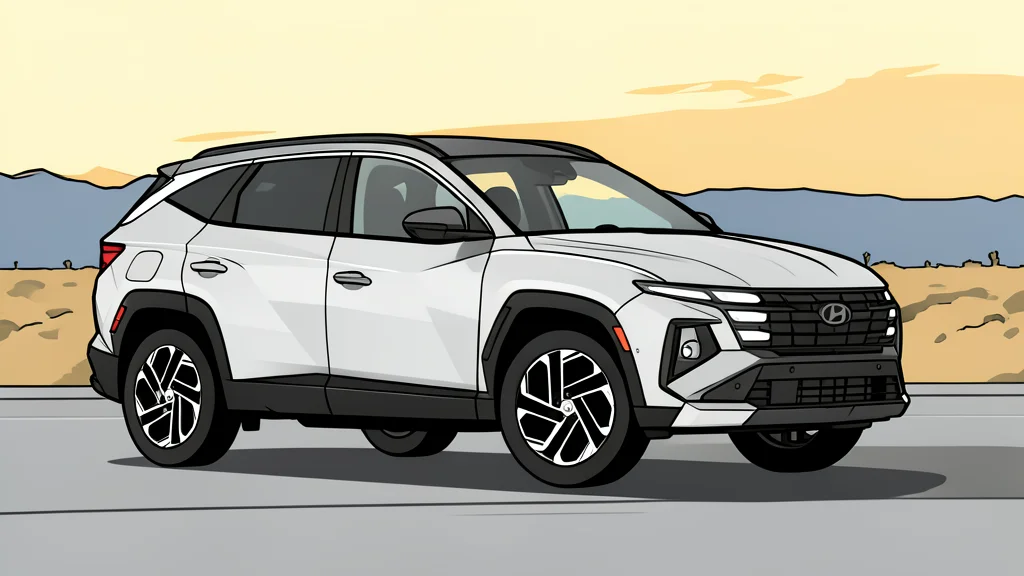
A detailed look at how the 2026 Toyota RAV4 and Hyundai Tucson plug-in hybrids compare in range, comfort, and value.
Drivers seeking to lower fuel costs without committing to a fully electric vehicle have two strong contenders in the 2026 Toyota RAV4 and Hyundai Tucson plug-in hybrids. These models allow owners to drive short distances on battery power before switching to gasoline, offering a practical bridge between traditional cars and pure EVs. Recent testing by automotive experts highlights distinct strengths and weaknesses for each vehicle, helping buyers decide which fits their daily needs better.
The comparison reveals that while both SUVs start at similar price points, they deliver different experiences in efficiency, space, and technology. One model excels in electric range and fuel economy, while the other offers superior passenger comfort and interior quality. Understanding these trade-offs is essential for anyone weighing the options in the compact SUV market.
Electric Range Leads Toyota's Offer
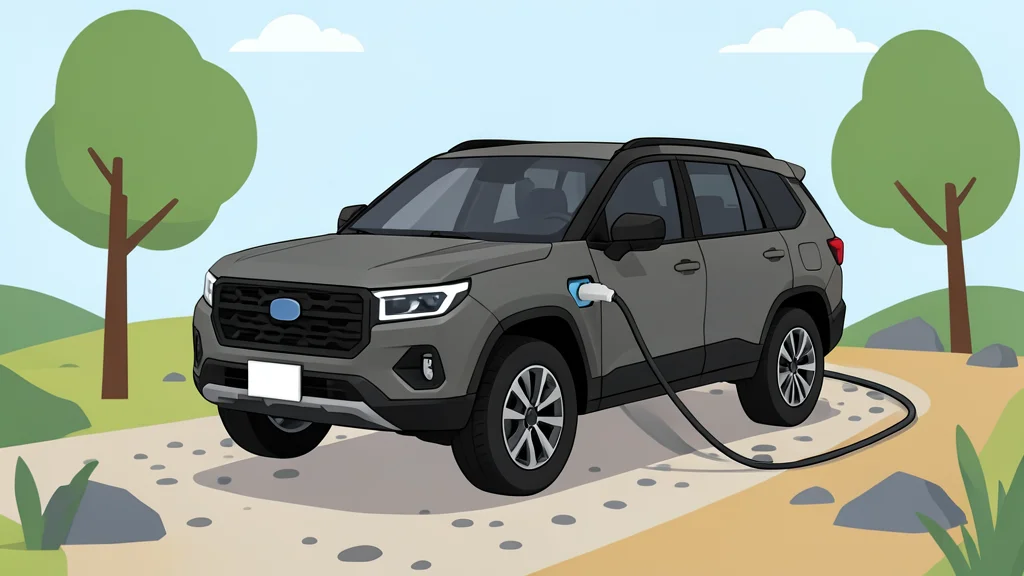
The Toyota RAV4 plug-in hybrid demonstrates a significant advantage in electric driving range. Estimates suggest it can travel up to 54 miles on battery power alone, with real-world tests confirming this figure. In contrast, the Hyundai Tucson offers a 32-mile electric range. After the battery depletes, the RAV4 achieves approximately 40 miles per gallon, whereas the Tucson manages 35 mpg. This difference means the Toyota can handle more daily commuting without using gasoline, making it the more efficient choice for those who charge regularly.
However, the Hyundai compensates with a more comfortable driving experience. The Tucson provides more rear legroom, which is noticeable for adult passengers and children in car seats. Reviewers also found the Hyundai’s seats more supportive and the ride smoother over bumps. While the RAV4 has slightly more cargo space behind the rear seats, the practical difference is minimal for most users, making passenger comfort a key differentiator for the Tucson.
Technology Features Remain Comparable
Both vehicles offer high-quality infotainment systems, with similar scores for usability and connectivity. The main distinction lies in how features are delivered. The Toyota system relies on an internet connection for functions like navigation and voice control, requiring a paid subscription after the trial period. The Hyundai integrates these features directly, removing the need for a data plan, though its search capabilities are slightly less robust. Screen sizes also differ, with the Tucson offering a standard 12.3-inch display, while the RAV4 varies by trim level.
Value and Pricing Create Trade-Offs
Pricing for both models starts just over $42,000 and tops out around $50,000. However, the Hyundai often comes with more standard equipment at the top trim level. To match the Tucson’s feature set, the RAV4 may require additional options that push the price beyond $52,000. Additionally, the Hyundai is noted for having higher-quality interior materials and better warranty coverage. For buyers prioritizing long-term value and build quality, the Tucson presents a stronger case, while the RAV4 remains the winner for pure efficiency.