Uganda's EV Fleet Could Hit 4 Million by 2040
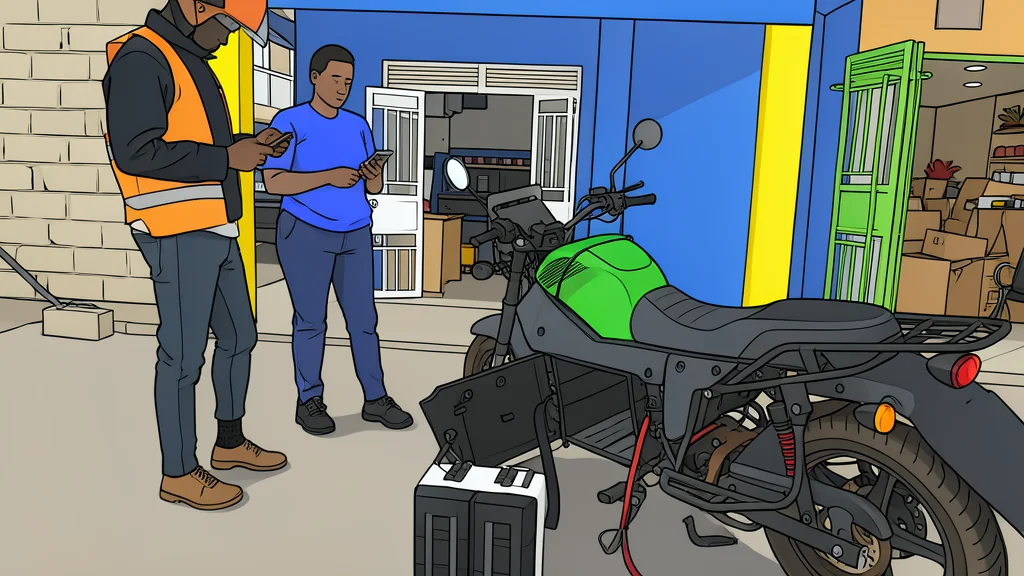
A World Bank study shows that smart charging can cut grid strain and costs as Uganda scales electric motorcycles.
Key points
- Uganda's battery swapping stations grew from 150 to over 350 between mid-2024 and late 2025.
- Smart charging could cut annual grid loss costs in Kampala from $21 million to $10 million.
- Electric motorcycles could reach 4 million units in Uganda by 2040 under high-growth scenarios.
Uganda’s battery-swapping network has more than doubled in a year, growing from roughly 150 stations in mid-2024 to over 350 by late 2025. This rapid expansion puts significant new pressure on the country's electrical grid, raising urgent questions about infrastructure readiness.
A new study by the World Bank Group finds that while total electricity demand remains manageable, the timing of charging is the critical variable. The report highlights that without coordinated management, the surge in electric motorcycles could overload local distribution networks.
Motorcycles drive the electric transition
The shift to electric power in Uganda is led by two-wheelers, not passenger cars. Motorcycles account for over 60% of the registered vehicle fleet, with more than 400,000 in Greater Kampala alone. For many riders, this is a practical economic choice rather than an environmental one.
Private operators like Zembo and Gogo have built swapping networks that allow riders to replace spent batteries in minutes. The World Bank estimates this saves riders about UGX 1 million (roughly $255) annually compared to petrol bikes. However, high upfront costs and limited access to credit remain barriers to wider adoption.
Timing determines grid stability
The study reveals that the challenge is not the total energy consumption, but when it is drawn. By 2030, electric vehicles in Kampala could use between 290 and 1,100 gigawatt-hours annually. If charging happens uncoordinatedly, peak demand could spike by 196 megawatts under accelerated growth scenarios.
This timing issue causes cascading problems, including overloaded transformers and voltage drops. The bottleneck is distribution infrastructure, not power generation. If charging coincides with existing network constraints, the result is higher energy losses and costly emergency repairs.
Smart charging reduces costs
Implementing smart charging, which adjusts speed and timing based on grid conditions, can significantly mitigate these risks. The World Bank projects that wider adoption in Kampala could cut annual energy loss costs from approximately $21 million to $10 million.
This approach also reduces the need for expensive network reinforcements. By smoothing out peak loads, the system can handle growth without constant upgrades. The trade-off requires technical coordination and investment in software, but the financial savings are substantial.