VW Cuts Gas Car Shifts as Electric Polo Demand Surges
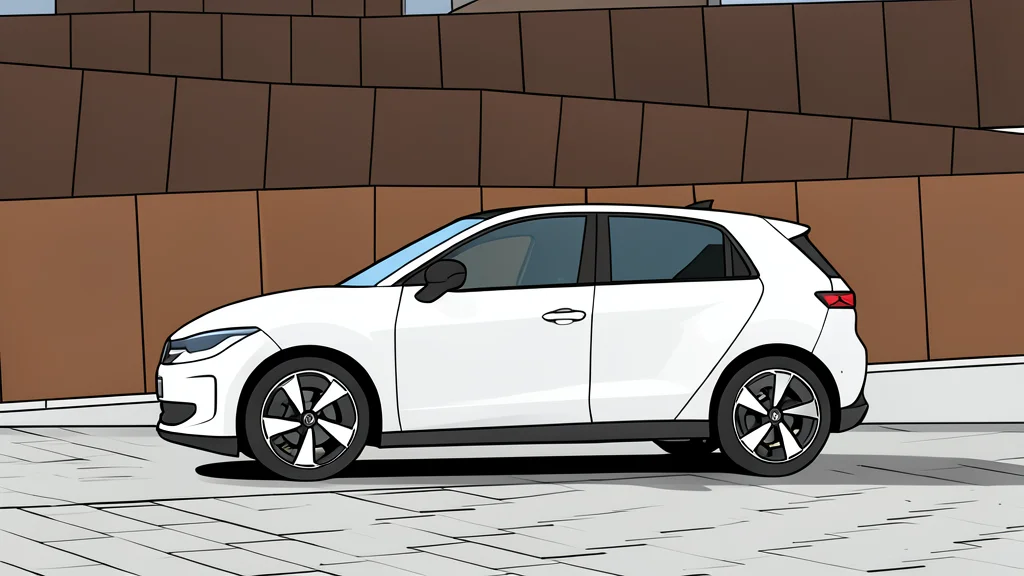
Volkswagen is canceling planned gas car shifts at Wolfsburg to boost EV output, driven by strong demand for the affordable ID. Polo.
Key points
- Volkswagen is canceling extra shifts for gas cars at Wolfsburg to boost electric vehicle production capacity.
- The ID. Polo has received over 40,000 orders in Europe, with wait times exceeding ten months for some trims.
- VW is ramping up EV output to compete with Chinese rivals like BYD while implementing broader cost-cutting measures.
Volkswagen is reversing course on production plans, canceling extra shifts for its gas-powered models to prioritize electric vehicle output. The move responds to a significant shift in consumer preference, where orders for the company's new affordable electric cars have surpassed those for its traditional internal combustion engine vehicles in key markets.
This adjustment marks a critical pivot for the German automaker. By reallocating resources from plants building the Golf and Tiguan, Volkswagen aims to meet unexpectedly high demand for its entry-level EVs, signaling that the market is finally embracing cheaper electric options at scale.
Production shifts favor electric models
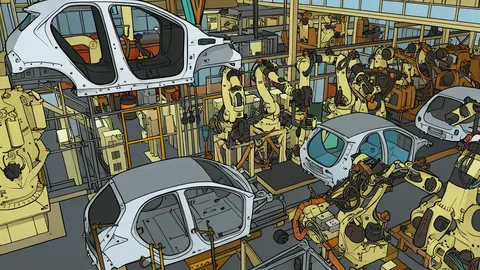
At the Wolfsburg plant, Volkswagen is holding annual production steady at 580,000 units rather than the previously targeted 600,000. This reduction in gas car output frees up capacity for facilities like Zwickau and Emden, which are adding shifts to handle increased orders for the ID.3 Neo. The trade-off is a deliberate slowdown in legacy model production to accelerate the transition toward electrified manufacturing.
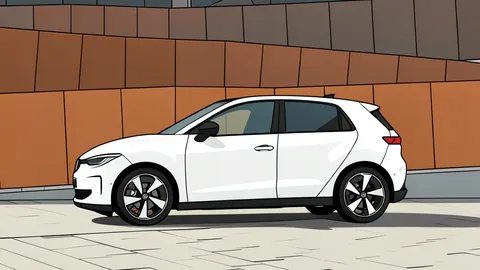
The catalyst for this change is the ID. Polo, which has accumulated over 40,000 orders in Europe since April. With wait times reaching ten months, the company is ramping up operations at its Martorell plant in Spain. This surge in demand validates the strategy of offering a compact, affordable electric hatchback, though it places immediate strain on supply chains.
Affordability drives the consumer shift
The primary driver behind this demand is price. The ID. Polo starts at approximately $29,000, a threshold that many previous electric vehicles missed. Dealership executives note that buyers are finally finding electric cars they can afford, leading to a broad switch away from gasoline models. This price point is crucial for making EVs accessible to a wider demographic.
While the ID. Polo leads the charge, other models like the ID. Cross and Skoda Epiq are also seeing strong initial interest. However, this success comes with a catch: Volkswagen must balance this growth against its broader cost-cutting measures. The company is simultaneously planning significant job reductions and plant closures to remain competitive, creating a complex operational landscape where demand spikes coexist with structural downsizing.
Competition from Chinese brands intensifies
According to Electrek, Volkswagen faces a tightening competitive landscape as Chinese manufacturers like BYD expand their global footprint. BYD has already ceased production of pure internal combustion vehicles and aims to become the world's largest automaker by 2030. For Volkswagen, the current sales boost is a necessary step, but it must continue to lower costs and improve efficiency to survive against rivals that offer comparable or superior technology at lower prices.