Used EV Battery Health Varies Widely Within Same Models
A major study of half a million vehicles finds that two identical electric cars can have significantly different battery capacities, challenging the reliability of manufacturer-provided health metrics.
Two electric vehicles of the exact same model and age can possess batteries with capacities differing by up to 13.5 percent, according to a recent analysis of half a million independent tests. This variation means that the range a driver gets from a full charge is not guaranteed by the car's badge or mileage alone, but depends heavily on the specific history of that individual unit.
The data comes from an Austrian diagnostics company, AVILOO, which analyzed physical measurements rather than relying on the car's internal dashboard readings. The study suggests that while batteries generally last longer than critics fear, the spread in condition between individual cars is wide enough to significantly impact resale value and daily usability.
Individual variation exceeds model averages
The report highlights that median health figures often mask significant outliers. For example, a popular Tesla model showed a median capacity of 90 percent at 150,000 kilometers, but individual cars in the dataset varied by as much as 11 percent. In practical terms, this spread equates to a difference of nearly 30 miles of driving range on a single charge, a tangible loss for commuters.
Smaller batteries appear to suffer from greater inconsistency. A Nissan model with a lower total capacity exhibited the widest spread in the study, reaching 13.5 percent variation. Because these vehicles require more frequent charging, a lower-than-average battery health score creates a more acute inconvenience for owners who rely on the car for daily tasks.
Dashboard readings lack independent verification
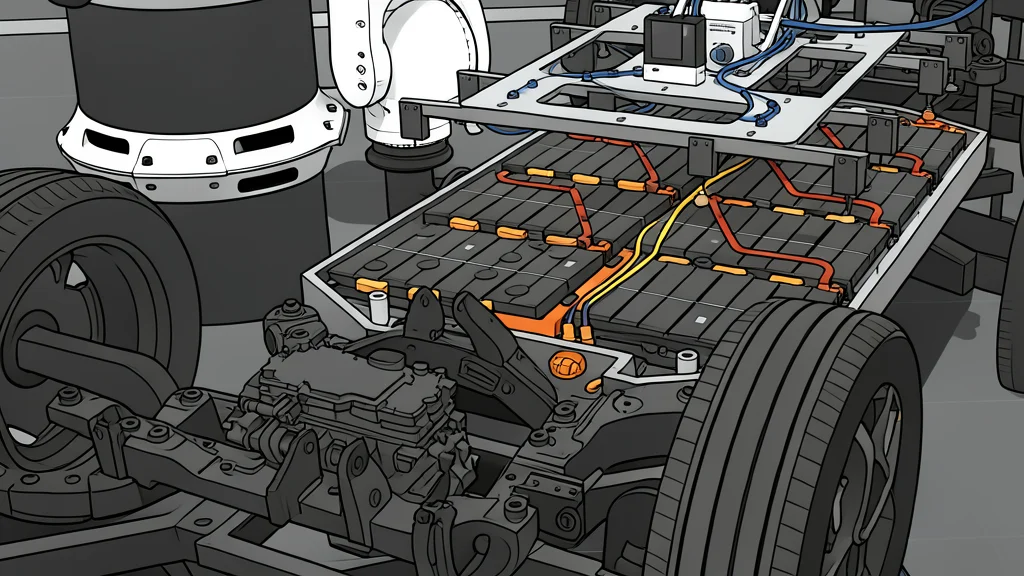
Most buyers rely on the state of health percentage displayed on the vehicle's screen, but the study argues this figure is not standardized. Manufacturers use different algorithms to calculate this number, and the reading may not reflect the true physical condition of the cells. Consequently, a car that claims to be 95 percent healthy might actually have a degraded capacity that affects its real-world performance.
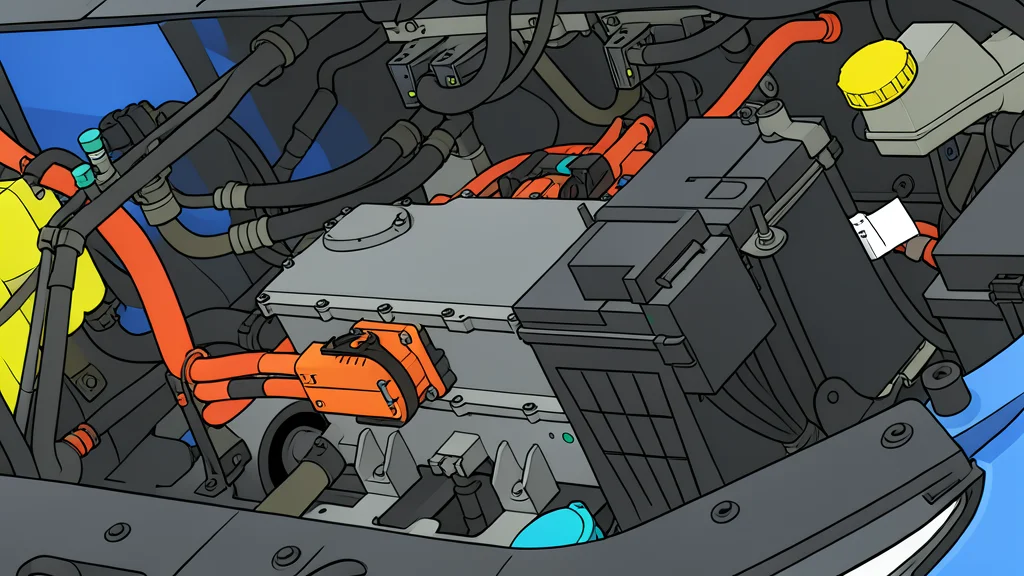
To address this opacity, independent diagnostic tools have gained traction among dealers and leasing firms in Europe. These systems perform a quick physical test via the car's standard port, using statistical models trained on hundreds of thousands of vehicles to provide a verified health score. This independent check is becoming a standard part of the used car inspection process for major brands.
Financial guarantees address hidden risks
Recognizing that buyers cannot easily verify battery condition, some providers are now offering financial warranties. These policies guarantee a minimum health threshold for a set period after purchase, with payouts of up to 3,000 euros if the battery fails to meet the standard. This shifts some of the risk from the consumer to the service provider, providing a safety net for those purchasing used electric vehicles.
However, even with these tools, the fundamental trade-off remains that battery health is not a single, fixed metric. It is a variable that changes with usage patterns and environmental conditions. For potential buyers, the key takeaway is that two identical cars are not identical in their future performance, and independent verification is the only way to know where a specific vehicle stands in that range.