Used EVs Without Home Charging Require Reliable Workplace Access
Sydney drivers debate if used electric vehicles are viable without home chargers, with workplace plugs emerging as the critical factor.
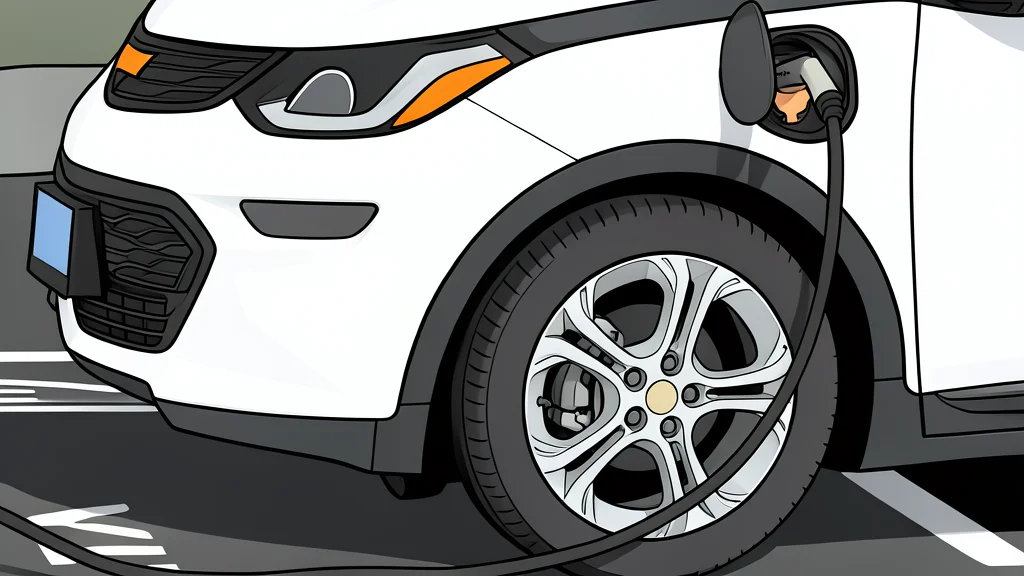
A Sydney commuter recently posed a practical dilemma to online forums: is a used Chevrolet Bolt a sensible purchase if the driver parks on the street and cannot install a home charger? The alternative on the table was a used Toyota Corolla hybrid for a similar price. This question highlights a growing tension among prospective electric vehicle owners who want lower running costs but lack the infrastructure for convenient overnight charging.
The core of the debate is not whether the car is efficient, but whether the charging routine fits into daily life. Without a dedicated plug at home, the viability of an electric vehicle hinges entirely on access to reliable public or workplace charging. As reported by GN auto tech/ev: electric vehicle, many drivers find that this specific constraint can make or break the ownership experience.
Workplace charging becomes the lifeline
Responses from other drivers suggest that a used electric vehicle can work well if the workplace provides dependable charging. Several users noted that they have successfully operated their cars without home charging by relying on free or low-cost plugs at their jobs. For these drivers, the commute effectively serves as the charging window, eliminating the need for home infrastructure.
However, this arrangement requires a stable routine. One commenter emphasized that this setup only works if there is confidence in staying at the current job and location. If the workplace offers paid charging, the cost must remain comparable to home rates to justify the switch. In these cases, the electric vehicle can still offer significant savings over a gasoline hybrid, provided the charging access is consistent and predictable.
Range anxiety without home access
The primary downside of skipping home charging is the return of uncertainty. Drivers without a guaranteed plug at home often report daily stress about finding available chargers, especially during peak hours or when running late. This anxiety is compounded by the need to plan around long weekends or overtime shifts, where charger availability may be unpredictable.
For many, this friction is enough to prefer a hybrid vehicle, which offers the flexibility of refueling at any gas station. The trade-off is clear: while a fully electric vehicle provides quieter driving and zero tailpipe emissions, the lack of a convenient charging source can turn a simple commute into a logistical challenge. The convenience of a hybrid often outweighs the lower fuel costs of an electric vehicle when charging is not seamless.
Routine dictates vehicle choice
Ultimately, the decision between a used electric vehicle and a hybrid depends less on the car itself and more on the driver's daily habits. If a driver has access to reliable Level 2 charging at work or nearby, a used electric vehicle can be a strong financial choice. However, if that access is inconsistent or unavailable, the hybrid may offer a smoother, less stressful ownership experience.
Prospective buyers should evaluate their specific routine before committing. Factors such as commute distance, charger availability during work hours, and backup plans for travel are crucial. While home charging remains the gold standard for ease of use, a well-planned workplace charging strategy can make a used electric vehicle a practical and cost-effective option for many commuters.