Volvo Plans Thirteen New Models by 2030

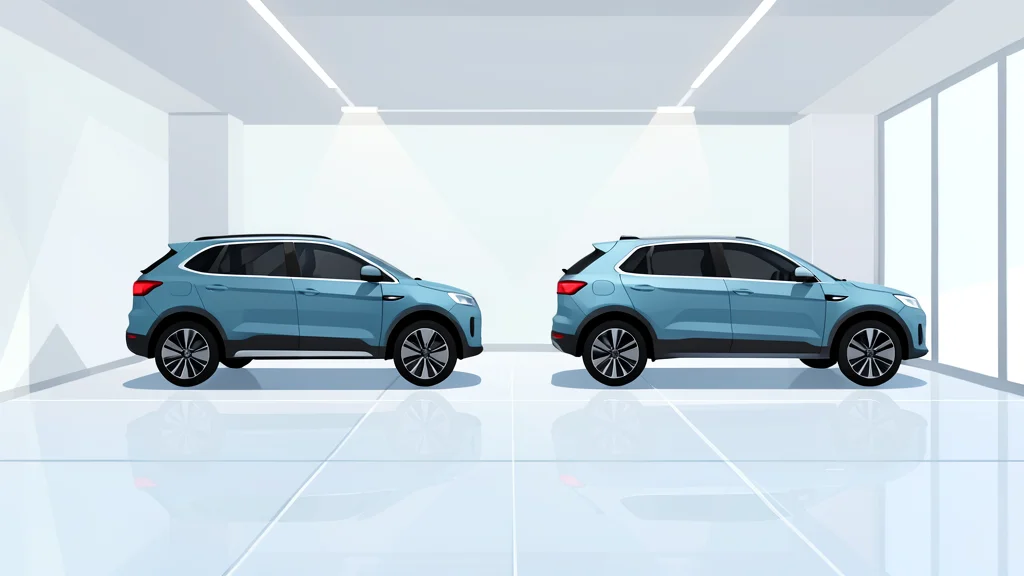
Volvo is set to launch thirteen new electric and hybrid vehicles by 2030, marking its most ambitious product push in nearly a century. The strategy aims to double market share while introducing a refreshed design language and distinct technology stacks for different global regions.
Volvo is preparing to significantly expand its lineup with thirteen new electric and plug-in hybrid models by the end of the decade. According to a recent strategy update reported by GN auto tech/ev, the Swedish automaker describes this effort as its most ambitious global product push in its ninety-nine-year history. The company aims to use these new vehicles to double its market share, a goal that requires a substantial shift in both product availability and brand positioning.
The upcoming models will not just be incremental updates. Volvo plans to introduce a new design language and a revamped interior experience. CEO Håkan Samuelsson stated that showrooms will look very different in 2030, signaling a break from the current conservative aesthetic. This move is intended to broaden the brand's appeal while maintaining its premium status, a strategy that hinges on creating a sense of desirability comparable to luxury fashion or watch brands.
Distinct Tech Stacks For Markets
A key structural change in Volvo's strategy is the decision to use two separate technology platforms for different regions. For Western markets, including the United States and Europe, the company will rely on its proprietary HuginCore computing platform along with the SPA2 and SPA3 architectures. This approach allows for tailored features and regulatory compliance specific to these regions.
In China, the strategy diverges significantly. Volvo will lean on its parent company Geely for shared platforms and a dedicated technology stack. This trade-off allows Volvo to reduce development costs and leverage existing infrastructure in the world's largest EV market. However, it means that vehicles sold in China may have different underlying technical foundations compared to those in the West, potentially leading to variations in software features and long-term support.
Return Of Physical Controls
One of the most notable interior changes involves the return of physical buttons. Design chief Thomas Ingenlath confirmed that the new models will move away from large touchscreens for basic controls. Instead of generic rows of switches, each button will have a unique shape and interaction method. This design choice addresses a common complaint among drivers who find touch-only interfaces distracting while driving.
The physical controls are intended to enhance user experience by providing tactile feedback, which can be safer and more intuitive than tapping a glass screen. However, this adds complexity to the manufacturing process and may increase the cost of the interior components. Volvo positions this as a premium feature, arguing that it aligns with the brand's heritage of quality and usability.
New Models And Pricing
The first wave of these new vehicles includes updated versions of the XC60 and XC90, which will feature long-range plug-in hybrid powertrains. Production is set to begin later this fall, with customer deliveries expected in early 2027. These models will compete directly with established rivals in the luxury SUV segment, offering extended electric-only driving ranges.
Volvo is also planning a new entry-level electric SUV, likely to be called the EX50, to replace the current EX40 in the US market. This model is expected to start at around $50,000, making it a more affordable option under the higher-end EX60. While this expands the brand's reach, the price point remains high compared to mainstream electric vehicles, indicating that Volvo intends to maintain its premium pricing structure despite the broader product lineup.