Waymo Taxis Displace Human Drivers at Las Vegas Chargers
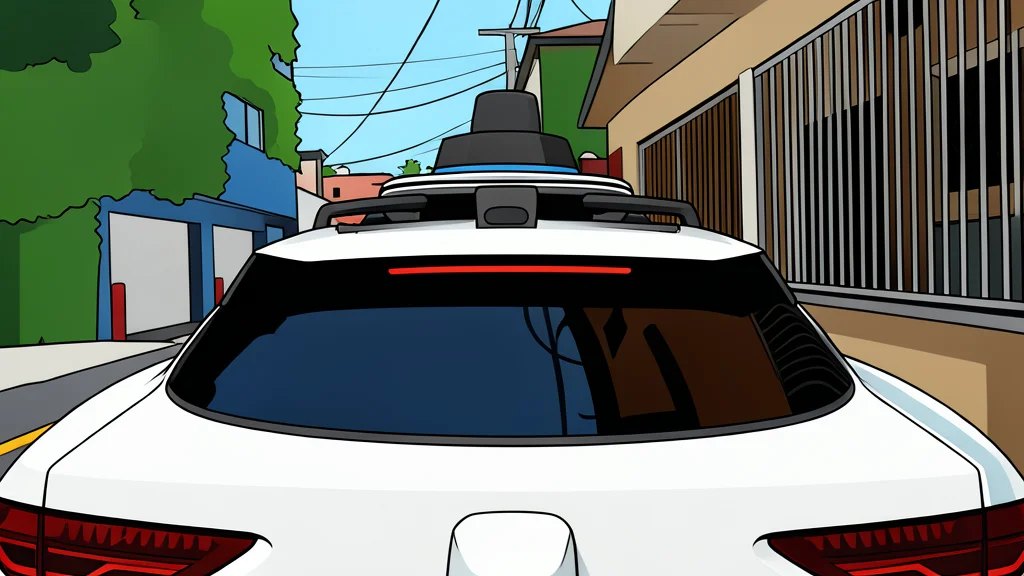
Rideshare drivers in Las Vegas report waiting up to 90 minutes for a charging spot as Waymo robotaxis occupy public stations. The friction highlights the growing strain on shared EV infrastructure as autonomous fleets expand.
Electric vehicle drivers in the Las Vegas area are reporting significant delays at public charging stations, with some waits stretching to 90 minutes. The bottleneck appears to be caused by Waymo’s driverless taxis occupying spots that human drivers need to replenish their batteries. The issue has become a recurring point of frustration for rideshare professionals who rely on these stations for their livelihoods.
The complaints are specifically centered around an Electrify America station near the intersection of Flamingo Road and Maryland Parkway. Drivers describe a consistent pattern of Waymo vehicles lingering at the chargers, creating a de facto private queue in a public space. This situation forces human operators to wait significantly longer than usual, disrupting their shift schedules and reducing their earning potential.
Drivers Demand Dedicated Corporate Infrastructure
Jahmeek Williams, a rideshare driver, noted that he has experienced hour-and-a-half waits at this specific location multiple times. He questioned the business logic behind Waymo’s reliance on public infrastructure, arguing that the company should establish its own charging network. Williams believes that large-scale operators should not compete with individual drivers for limited public resources.
Sharon McWilliams, another rideshare driver, echoed these sentiments, pointing out that traditional taxi and limousine companies typically maintain their own dedicated charging facilities. She expressed confusion over why Waymo does not follow a similar model. McWilliams also highlighted that the chargers themselves operate slowly, which exacerbates the problem by keeping vehicles plugged in for extended periods, further reducing the availability of spots for others.
Waymo Cites Operational Maturity and Safety Protocols
A Waymo spokesperson explained that the company currently operates a depot with its own chargers but also utilizes public infrastructure. The company stated that it actively works to limit and stagger its usage of public stations to minimize impact. The spokesperson emphasized that Waymo builds out dedicated charging capacity as its operations in a specific city mature, with the goal of prioritizing this private infrastructure over public options.
Additionally, the company noted that when a vehicle is being monitored by a human safety specialist, that individual may charge the vehicle during breaks while out on the road. This practice is part of their operational protocol but contributes to the visible presence of Waymo vehicles at public stations. The company’s strategy appears to be a phased transition from public reliance to self-sufficiency, a process that is still ongoing in Las Vegas.
Expansion Strains Shared Resource Availability
These reports emerge as Waymo continues to expand its driverless ride-hailing footprint in Las Vegas, joining competitor Zoox in the market. The increase in autonomous vehicles on the road has placed new demands on the existing energy infrastructure. It remains unclear how many electric vehicle drivers have been affected by these delays or if Waymo plans to accelerate the deployment of dedicated charging capacity in the city.
According to reporting by GN auto tech/ev, this situation illustrates a critical trade-off in the rapid adoption of autonomous electric vehicles. While the technology aims to provide seamless transportation, the lack of coordinated infrastructure planning can result in unintended consequences for other users of the grid. The tension between corporate fleet needs and public access is becoming a central challenge for cities hosting these services.