XPeng Pitches Self-Driving Tech to Rivals
XPeng is moving to license its autonomous driving software to other automakers, a business model Tesla has long pursued but failed to secure.
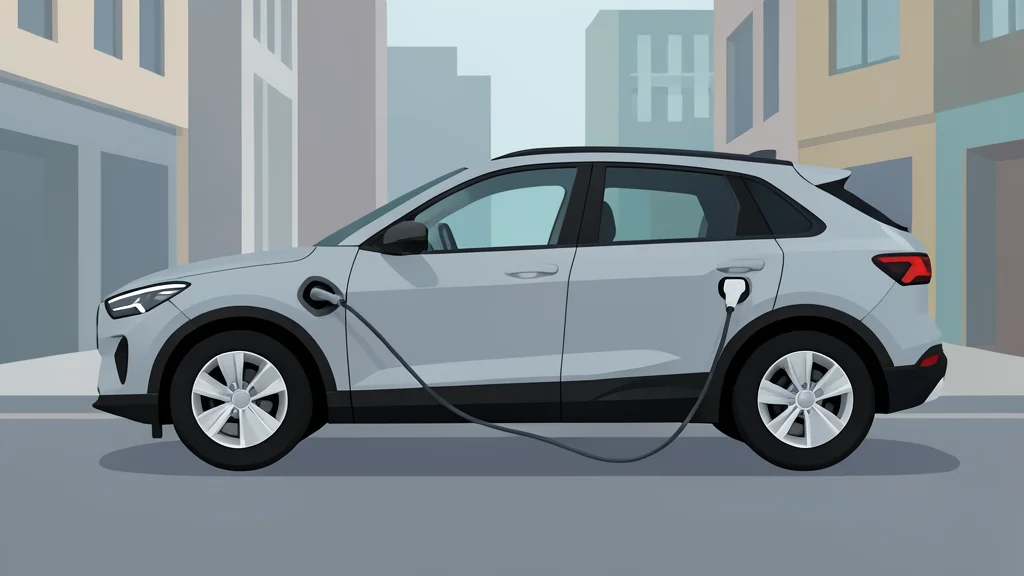
Chinese electric vehicle maker XPeng is actively courting global automakers and suppliers to license its self-driving and smart cockpit technologies. According to a recent report, the company has formed a dedicated team to pitch its software stack, marking a significant shift from selling cars to selling the intelligence that drives them. This move positions XPeng as a direct competitor to Tesla in a market where the latter has struggled to find external buyers for its Full Self-Driving system.
The strategy mirrors the approach Tesla has attempted since 2021, yet XPeng appears to be finding more traction among potential partners. By offering a comprehensive suite that includes AI chips, autonomous driving software, and even humanoid robot technology, XPeng is trying to replicate the high-margin revenue stream it already enjoys through its partnership with Volkswagen. While no new customers have been officially named yet, industry insiders suggest interest is growing, particularly among foreign software developers and auto suppliers looking to avoid building their own costly AI infrastructure.
Volkswagen deal proves the model
The foundation for this licensing push is the existing relationship with Volkswagen. In 2023, VW invested roughly $700 million for a stake in XPeng and began using its software for China-market electric vehicles. This collaboration resulted in the ID.UNYX 08 SUV entering mass production in early 2026, running on XPeng’s underlying technology. The financial impact is already visible on XPeng’s books, with service revenue nearly doubling year-over-year in the second quarter of 2026. This high-margin income, which does not involve hardware sales, is the primary goal of the new commercialization efforts reported by Electrek.
Tesla faces unlicensed tech rejection
In contrast, Tesla has faced repeated failures in securing similar licensing deals. Elon Musk has publicly stated multiple times that Tesla is willing to license its Full Self-Driving technology to other manufacturers. However, despite claims of preliminary discussions and talks with major automakers, no signed agreements have materialized. Industry leaders, including Ford’s CEO, have openly dismissed the technology in favor of competitors like Waymo. A significant barrier cited by legacy automakers is liability; they reportedly want Tesla to assume full responsibility for crashes, a condition Musk has called unworkable.
The core difference in appeal may lie in safety architecture. While both companies rely heavily on camera-based neural networks for driving, XPeng retains radar and ultrasonic sensors as a redundant safety layer. This system operates independently of the main AI, providing a hardware-based backstop for emergency braking and steering. For automakers wary of entrusting driving decisions entirely to software, this dual-layer approach offers a more tangible safety net than Tesla’s pure-vision model, making it an easier proposition for risk-averse partners.
Safety redundancy eases partner concerns
XPeng’s technical philosophy aligns closely with Tesla’s in its reliance on end-to-end neural networks trained on large datasets. However, the company’s decision to keep redundant sensors addresses a critical concern for potential licensing clients. By maintaining an independent active safety system, XPeng mitigates the risk of total system failure. This architectural choice differentiates its offer in a crowded market, providing a compromise that balances advanced AI capabilities with traditional engineering safeguards. As the industry evolves, this balance may determine which companies successfully transition from car manufacturers to technology providers.