Yellowknife Moves to Normalize Electric Vehicles in the North
City officials and dealers are working to correct misconceptions about cold-weather performance, aiming to boost adoption through local events and infrastructure highlights.
City officials in Yellowknife are actively working to shift public perception regarding electric vehicles, arguing that the technology is fully capable of handling Northern conditions. The push follows a recent symposium hosted by the City of Yellowknife, which aimed to demystify EV usage for residents who may have doubts about battery performance in extreme cold. Local leaders emphasize that the region's high reliance on fossil-fuel automobiles is a significant contributor to local emissions, making a transition to cleaner transport a priority for environmental health.
Despite these efforts, sales in the territory remain sluggish compared to other parts of Canada. Dealers report that while inventory is available, consumer hesitation persists due to outdated beliefs about range and reliability. The discrepancy is stark: dealerships in Whitehorse sell up to twelve units monthly, whereas Yellowknife dealerships manage only a dozen per year. This slow adoption rate is attributed less to technical failure and more to a lack of practical understanding among potential buyers.
Cold weather impacts are manageable
One of the primary concerns for Northern drivers is how low temperatures affect battery efficiency. Tatsuyuki Setta, the city’s manager of planning and environment, clarified that while extreme cold can slightly reduce range, modern electric vehicles still offer substantial travel distances. He noted that most models can cover between 300 and 500 kilometers on a full charge, a range that easily supports daily commutes and regional travel. This capacity is sufficient for most residents, provided they plan their charging stops appropriately.
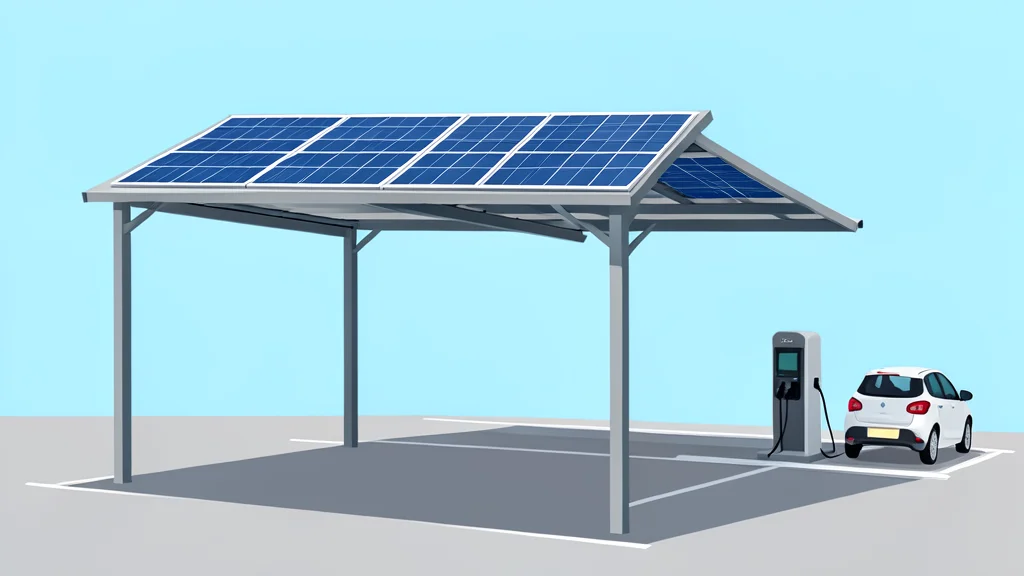
The infrastructure to support this travel is already in place. Free charging stations are available in Yellowknife, while paid chargers have been installed in neighboring communities such as Behchoko, Fort Providence, and Hay River. This network ensures that drivers can travel in and out of the Northwest Territories without facing the
Economic factors favor long-term savings
Although the upfront cost of an electric vehicle is higher than that of a traditional internal combustion engine car, the total cost of ownership can be lower over time. Setta pointed out that federal rebates help offset the initial purchase price, and the absence of fuel costs provides ongoing savings. For many households, the break-even point is reached within a few years, after which the vehicle becomes a net financial advantage.
Kyle Evans, a representative from Yellowknife Motors, echoed this sentiment, noting that many customers change their minds after test-driving the vehicles. He observed that the smooth acceleration and low maintenance requirements often appeal to drivers once they experience the cars firsthand. The barrier to entry is primarily informational rather than mechanical, suggesting that increased exposure and education will be key to growing the market.
Upcoming conference targets industry leaders
To further advance the conversation, the city is hosting an EV Fleet Management Conference on October 6 at the Explorer Hotel. This event, which Yellowknife was the only Northern locale to secure federal grant funding for, will feature panel discussions with current EV owners and industry experts. The goal is to share practical insights on maintenance, charging strategies, and fleet integration, providing a deeper look into the operational aspects of electric transport in the North.
Registration for the conference is required and must be completed by September 21 through the city’s website or social media channels. The event represents a significant step in institutionalizing electric vehicle adoption, moving beyond individual consumer interest to a broader structural shift in how the community approaches transportation and energy consumption.