Homey Solves Smart Home Firmware Update Chaos
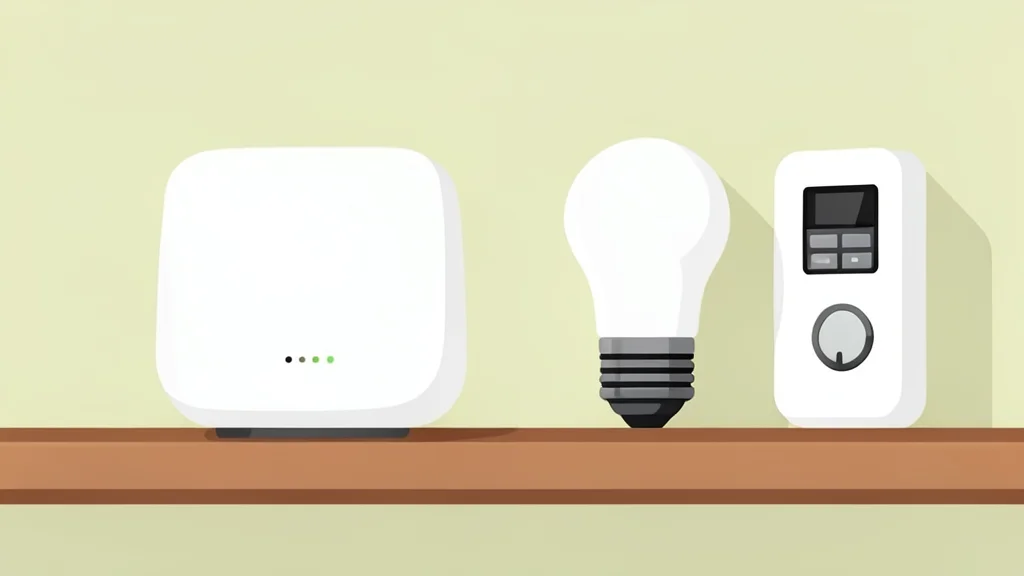
A new feature allows users to update various smart home devices from a single interface, bypassing the need for multiple manufacturer applications.
Smart home devices have long suffered from fragmented software maintenance. Owners often struggle to keep sensors, lights, and locks updated because each brand requires its own app. Homey has introduced a unified solution that manages these updates centrally, reducing the technical burden on users.
The new Device Updates feature covers Matter, Z-Wave, and Zigbee protocols. It handles the delivery, progress tracking, and completion notifications for firmware patches. This approach aims to make the entire ecosystem more dependable by ensuring devices receive critical security and reliability improvements without user intervention.
Centralized Updates Simplify Maintenance
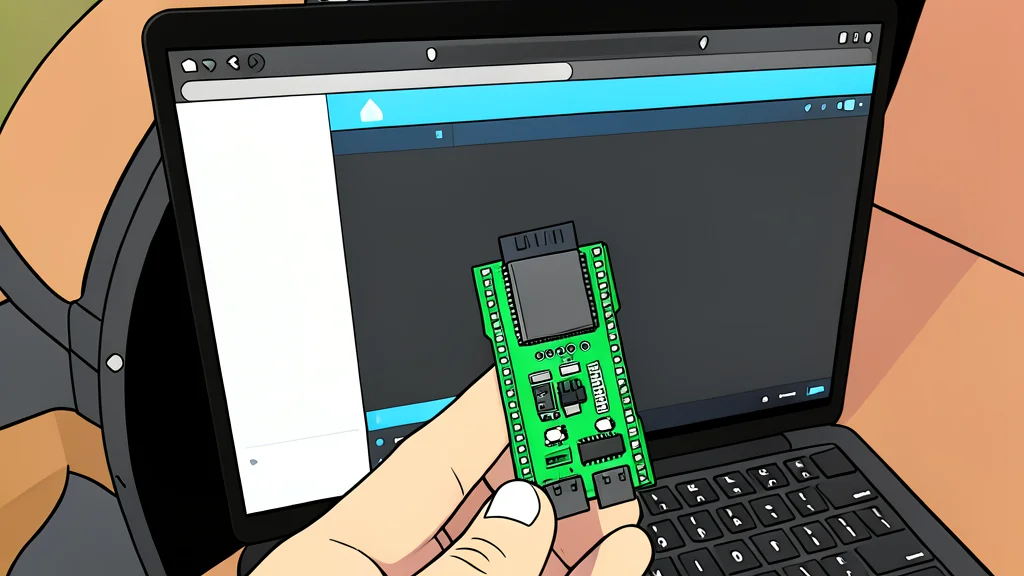
Users can now initiate updates for diverse hardware directly through the Homey mobile or web interface. The system identifies available patches for compatible devices, including popular brands like IKEA and Aeotec. This removes the friction of switching between different manufacturer apps, which has historically discouraged regular software maintenance.
For Z-Wave and Zigbee devices, the update process relies on support from the respective device developers. A growing list of vendors has already integrated with this system. However, availability still depends on whether the manufacturer has provided the necessary update metadata to the platform.
Matter Standard Enables Vendor Independence
The most significant change concerns Matter devices. Homey no longer depends on individual manufacturer applications to deliver updates. Instead, it queries a public registry maintained by the Connectivity Standards Alliance. This registry contains verified information about available firmware, including version numbers and download links.
By using this standardized method, the update process is decoupled from any single company's cloud service. The mechanism relies on the official Matter specification, meaning any compliant controller could theoretically perform these updates. This structure promotes consistency and reduces the risk of software obsolescence tied to a specific brand's infrastructure.
Expanded Compatibility for Eve Products
The adoption of Matter has also broadened device compatibility. Eve products, known for their privacy focus and lack of cloud dependencies, now function with Homey. This includes sensors and energy monitors that previously required Apple Home for full integration.
This development highlights the portability promised by the Matter standard. Users who rely on local-first devices can now use them across different smart home hubs. As reported by GN technics/smarthome, this flexibility is a key benefit of the standardized protocol, allowing hardware to remain useful even if a user switches ecosystems.