Handheld DNA Sequencer Changes Health Monitoring in Space
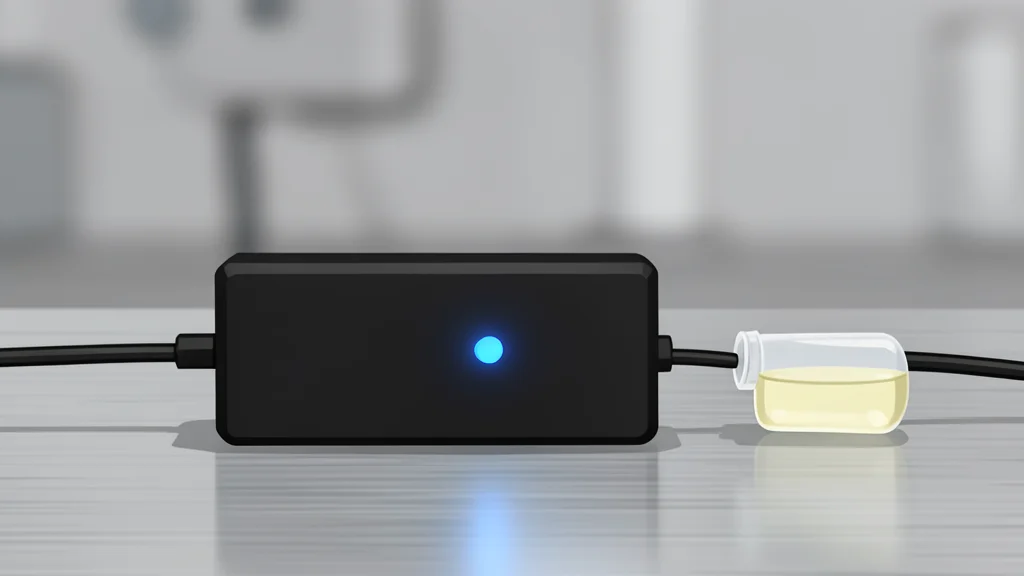
A device the size of a chocolate bar has made it possible to analyze genetic material aboard the International Space Station, reducing the time needed to diagnose medical issues from weeks to hours.
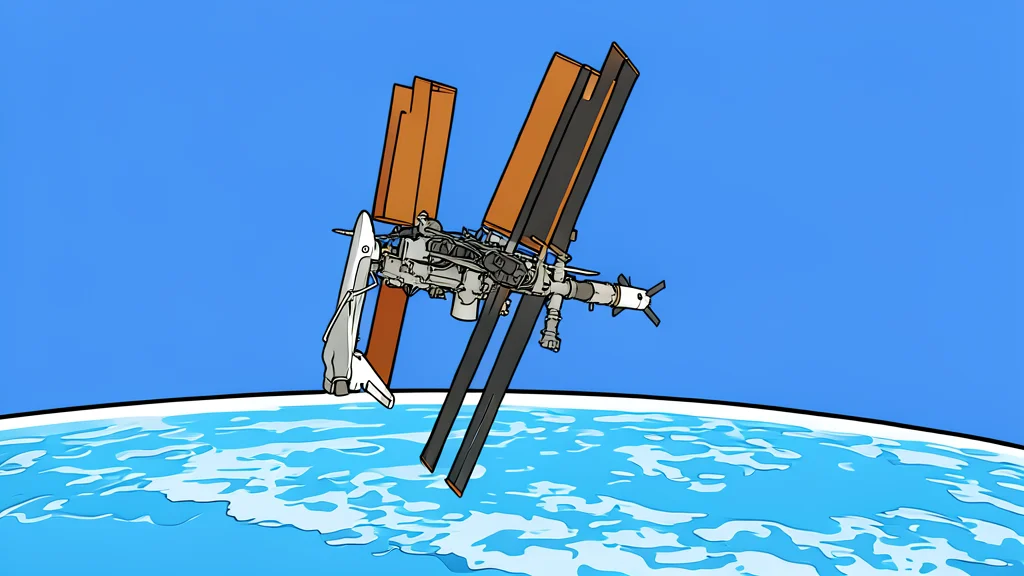
For years, astronauts on the International Space Station faced a critical delay in medical care. If a crew member fell ill or a microbe began growing on a panel, the only way to identify the cause was to pack the sample and wait for the spacecraft to return to Earth. That process could take weeks, a dangerous gap for a mission where every hour counts. This limitation becomes even more severe for future trips to Mars, where a return journey could take months, leaving astronauts without timely diagnosis.
In 2016, that gap began to close. Astronaut Kathleen Rubins performed the first DNA sequencing in space, turning a theoretical possibility into a practical tool. The experiment was part of NASA’s Biomolecule Sequencer research, designed to prove that genetic analysis could happen far from the ground. By bringing the lab to the sky, the mission addressed the core problem of slow turnaround times in medical and biological diagnostics.
Pocket-sized technology replaces bulky labs
The equipment used was called MinION, a commercially available device made by Oxford Nanopore Technologies. Unlike the room-sized machines found in most research institutions, MinION fits in the palm of a hand and plugs into a computer via a standard USB cable. It works by pushing fluid containing genetic material through tiny pores in a membrane using a mild electrical current.
As DNA strands pass through these pores, they disrupt the electrical current in a unique pattern for each genetic base. Software then reassembles this data into a readable sequence in near real-time. This simplicity is the key advantage: it removes the need for complex infrastructure, making it feasible to use in the cramped and resource-limited environment of a space station.
Validating results against ground controls
To ensure the results were reliable, scientists designed a controlled experiment. They created identical DNA samples with known sequences on Earth and processed them at the same time Rubins ran her tests in orbit. By comparing the outcomes, researchers could isolate the effects of spaceflight. Any discrepancies would point to environmental factors like altered gravity or atmospheric composition, rather than errors in the sample itself.
According to researchers at the University of California, San Francisco, the sequencing held up well. Rubins processed more than two billion base pairs of genetic material, including samples from mouse, bacterial, and viral DNA. This success confirmed that the instrument could function accurately in the unique conditions of orbit, validating the technology for broader use.
Foundation for future deep-space missions
The achievement paved the way for more complex studies, such as Genes in Space 3. That follow-up paired the MinION with another device called miniPCR to amplify and identify a previously unknown microorganism found on the station. This capability is crucial for understanding how microbes respond to space conditions and for developing methods to monitor crew health without returning to Earth.
As reported by GN auto tech/science: space discovery, this shift from ground-based to in-orbit analysis marks a significant step for long-duration missions. While the technology is not without trade-offs, such as the need for careful sample preparation, the ability to diagnose issues quickly reduces risk. For astronauts heading further from home, this handheld approach could be the difference between a manageable health event and a mission-ending crisis.