Six Games Defying Universal Criticism Since 2013
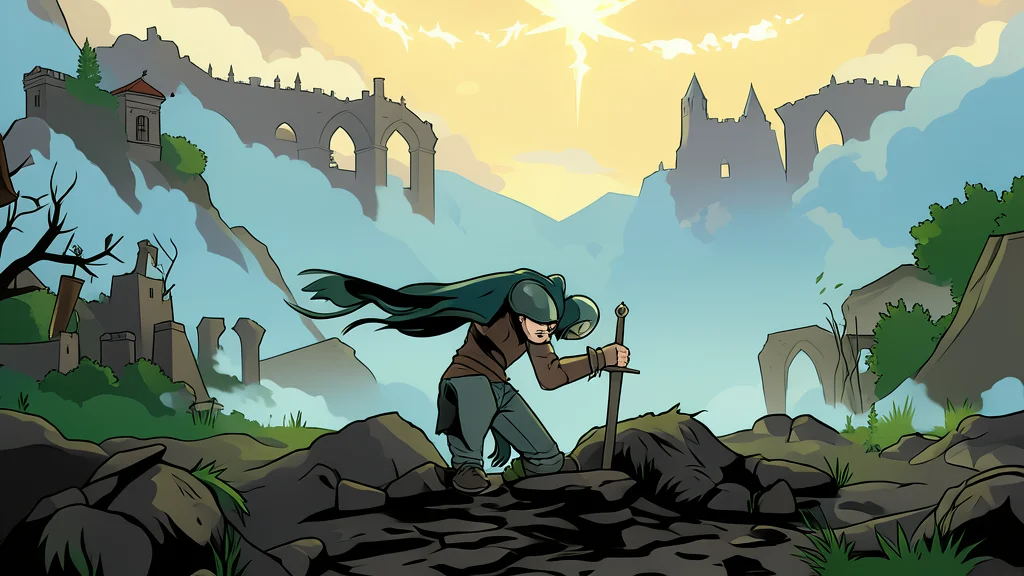
While no video game is immune to online debate, a select few titles have achieved a rare consensus of praise. Recent analyses highlight which releases stand out for their enduring appeal.
The modern gaming landscape is often fragmented by polarizing opinions, yet certain titles have transcended typical discourse to become widely respected landmarks. According to a recent ranking by GN auto tech/gaming, six games released in the last decade have secured a status of universal affection. These titles are not just commercial successes but are cited for their significant impact on narrative storytelling, gameplay mechanics, and industry standards.
The selection criteria for this group focus on a blend of critical acclaim, fan loyalty, and lasting influence. Rather than relying solely on sales figures, the assessment considers how these games are discussed in both casual and professional circles. The result is a list that includes titles from different genres and eras, all sharing the rare trait of being loved by almost everyone who has experienced them.
Narrative Depth Defines Modern Classics
Storytelling remains a primary driver for the acclaim of several titles on this list. The Last of Us is frequently cited for proving that video games could deliver cinematic emotional weight. Its focus on character dynamics and survival tension created a template for narrative-driven action games. Even years after its release, the game is referenced as a benchmark for how interactive media can handle complex human relationships.
Red Dead Redemption 2 follows a similar path, using a slow-burn approach to immerse players in a fading era. The game’s attention to detail and the tragic arc of its protagonist have made it a staple in discussions about artistic ambition in gaming. While it requires significant time investment, the payoff is a deeply personal experience that resonates long after the credits roll.
Challenge and Exploration Drive Engagement
Not all universally loved games rely on linear storytelling. Elden Ring has defined the 2020s by encouraging player agency and exploration. Its open-world design rewards curiosity with lore and challenging combat, creating a sense of accomplishment that fans consistently praise. The difficulty is not seen as a barrier but as a core part of the appeal, fostering a community that values mastery and discovery.
This approach contrasts with more guided experiences, offering a different kind of satisfaction. The game’s success demonstrates that players are willing to engage with complex systems if the rewards are meaningful. It has influenced a generation of developers to prioritize player freedom and environmental storytelling over hand-holding mechanics.
The Trade-Offs of Critical Acclaim
Despite their widespread praise, these games are not without their trade-offs. Titles like The Last of Us faced intense scrutiny when sequels altered established narratives, highlighting how difficult it is to maintain consistency in long-running franchises. Similarly, the high difficulty of Elden Ring can be a barrier to entry for some, though this is often viewed as a feature rather than a bug by its dedicated fanbase.
Red Dead Redemption 2’s open world, while vast, was also criticized for its pacing and repetition in certain side activities. However, these minor flaws have not dented its overall reputation. The consensus remains that the core experience is exceptional, proving that even games with imperfections can achieve a status of near-universal love if their central vision is executed with high quality.