Robots Perform Daily Tasks at China-ASEAN Expo
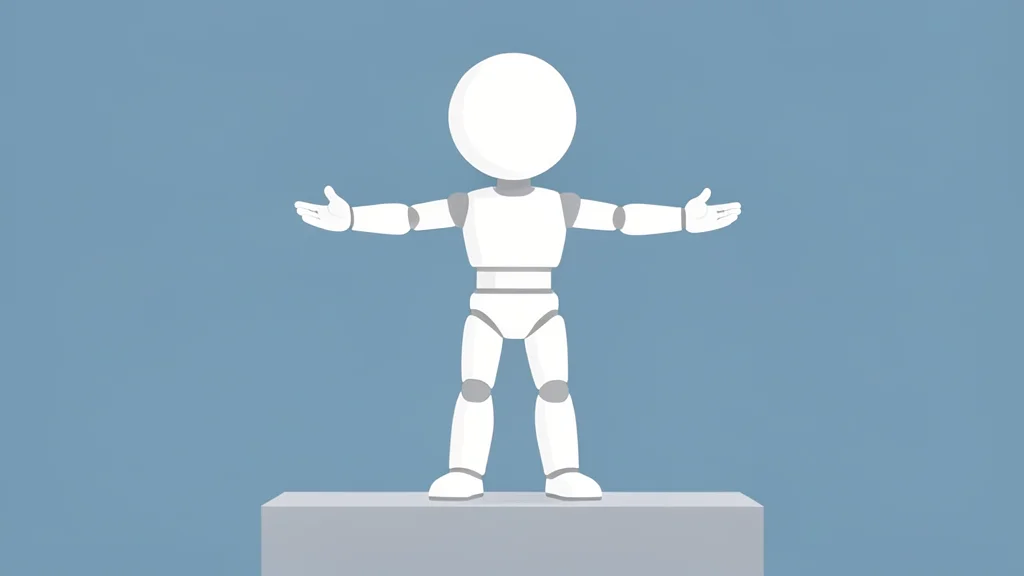
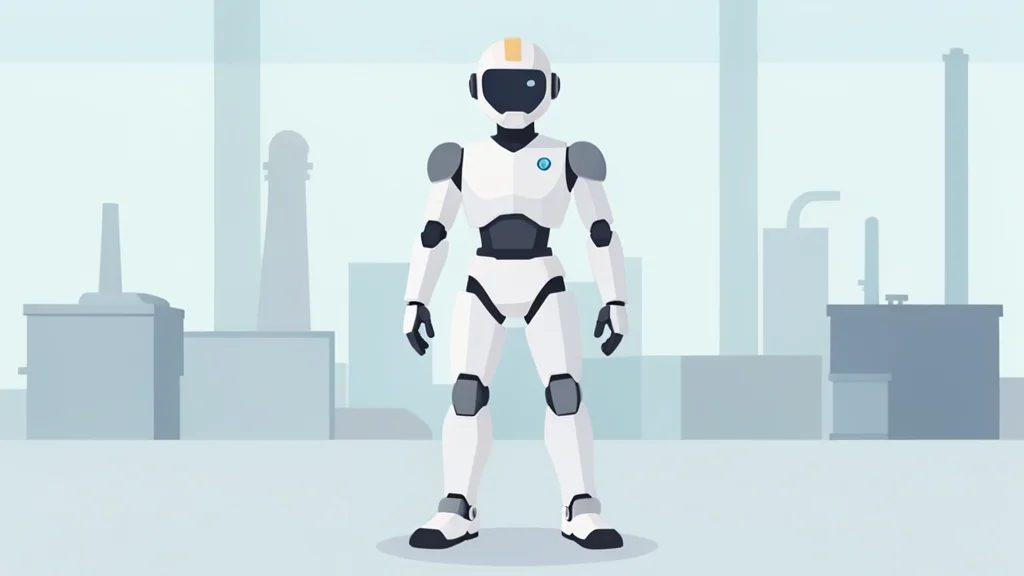
A diverse range of humanoid robots demonstrated practical skills, from serving ice cream to playing the piano, at a recent trade fair in southern China.
In Nanning, China, a series of intelligent robots recently took center stage at the 23rd China-ASEAN Expo. These machines were not limited to static displays; instead, they actively engaged with visitors by performing a wide array of tasks. From pouring tea and selling ice cream to playing musical instruments and writing calligraphy, the robots showcased a level of dexterity that blurs the line between industrial machinery and human-like interaction.
The demonstrations highlighted the rapid advancement of artificial intelligence in physical robotics. As reported by GN auto tech/robotics sources, the focus was on versatility. The robots were designed to handle both delicate service tasks and complex recreational activities, signaling a shift toward more consumer-friendly applications. However, these public displays serve primarily as proof of concept rather than evidence of widespread commercial availability.
Versatility in Public Demonstrations
Observers noted the impressive range of activities performed by the robotic units. One model was seen conducting a traditional tea ceremony, requiring precise hand movements and balance. Another unit operated a food service station, handling the preparation and distribution of ice cream. These tasks require a sophisticated integration of vision systems, motor control, and object recognition, demonstrating that the technology is moving beyond rigid, factory-floor applications.
The entertainment value of the displays was equally significant. A robot band performed live music, while another unit played the guitar and piano with apparent coordination. In other instances, robots engaged children in games of Go and picked up fruits with careful precision. These interactions suggest that developers are focusing on social and leisure sectors, where user experience and reliability are paramount. The ability to perform such varied tasks indicates a modular approach to robotic design, where different skill sets can be applied to a single platform.
Challenges in Real-World Application
Despite the impressive visual appeal, there are significant trade-offs to consider. The controlled environment of an expo hall is vastly different from the chaotic, unpredictable nature of real-world service settings. Robots that can pour tea in a curated demonstration may struggle with the variability of customer interactions, unexpected obstacles, or the need for prolonged, unattended operation. The energy consumption and heat generation associated with continuous high-precision movement also pose engineering challenges for long-term deployment.
Furthermore, the cost of developing and maintaining such versatile systems remains a barrier. While the hardware is becoming more robust, the software required to ensure safe and effective interaction in diverse environments is complex. For now, these robots serve as compelling showcases of potential, but their transition from exhibition floor to daily utility will require overcoming hurdles in reliability, cost, and safety standards. The industry is clearly making progress, but the path to mass adoption is still under construction.
Future of Service Automation
The presence of these robots at the China-ASEAN Expo underscores a broader trend toward integrating advanced automation into social and commercial spaces. As the technology matures, we can expect to see more specialized robots tailored for specific industries, from hospitality to education. The key will be balancing the desire for human-like interaction with the practical need for efficiency and safety. While the current demonstrations are impressive, the true test lies in whether these machines can deliver consistent value in uncontrolled environments without requiring constant human supervision.