Minecraft Runs on PS2 and Wii via New C++ Port
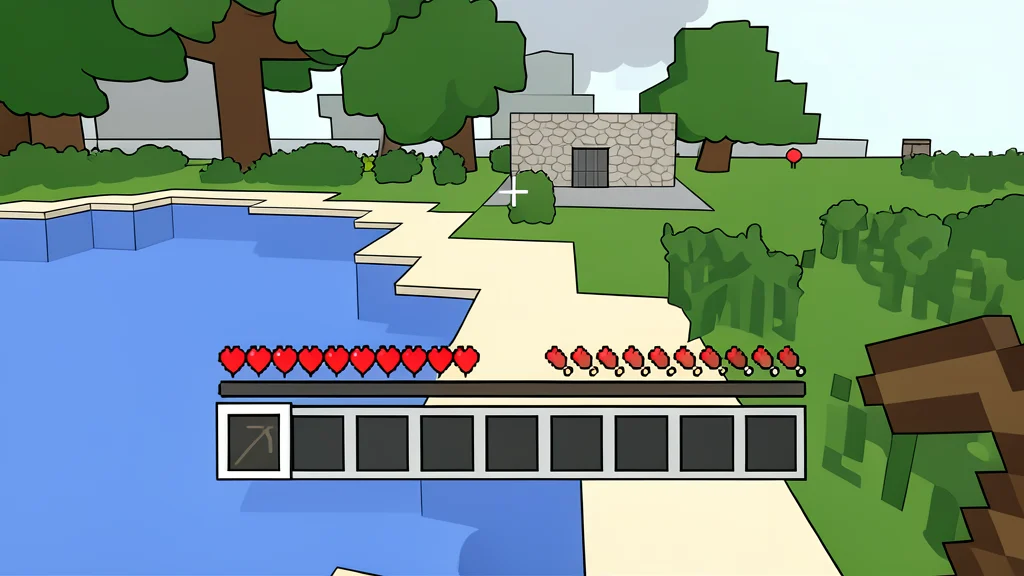
A developer has successfully ported a classic version of Minecraft to the PlayStation 2 and Wii, proving that even decade-old hardware can handle the blocky world with significant tweaks.
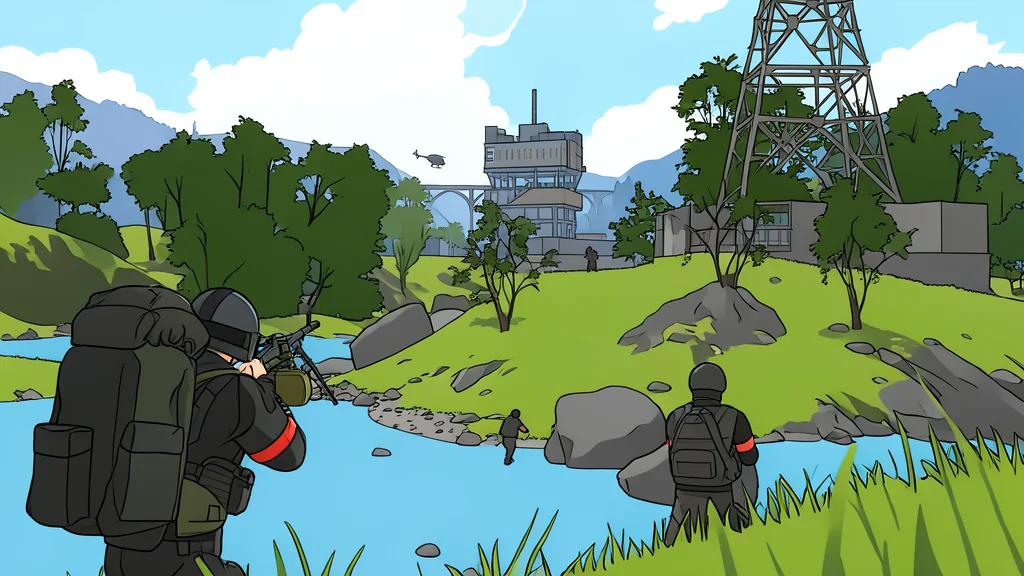
Minecraft is now playable on two consoles that never officially received the game. A developer group known as OptiProjects has released a new port for the Sony PlayStation 2 and Nintendo Wii. This effort is not a simple copy of the original files but a complete rewrite of the code to fit the specific limitations of these older machines.
The project is based on the Java Edition 1.2.5 source code. By rewriting the engine in C++, the developers were able to make the game run on hardware that is now over twenty years old. According to Tom's Hardware, the result is a playable experience that feels authentic to the era, even if it requires significant compromise on performance.
Rewriting code for limited memory
The primary challenge in this port is memory. The PlayStation 2 has only 32MB of system RAM, a tiny amount by modern standards. To fit the game into this space, the developers had to strip away unnecessary features and optimize every line of code. The result is a version that runs at 15 to 30 frames per second, which is sluggish but functional for a system of that age.
The Wii version benefits from slightly more available memory, around 88MB. This allows for a smoother experience with frame rates between 15 and 60. However, both versions suffer from a major trade-off: draw distance. On the PS2, you can only see two chunks of the world at a time. The Wii manages four chunks. This means the horizon is very close, and the world feels much smaller and more enclosed than on a modern PC or smartphone.
Hardware constraints shape the gameplay
These performance limits are not just technical footnotes; they directly change how the game feels. The low draw distance means you cannot survey the landscape from a height. You must build and explore in small, immediate increments. The PS2 version is particularly tight, as the low frame rate can make movement feel less responsive. For players who remember the original game, this version captures the spirit of the early days, but it does so through the lens of severe hardware restriction.
The Wii port offers a slight advantage with experimental online functionality, though this remains unstable. The interface has also been recreated to match the look of the original legacy console, using machine translation to handle text. While the visual style is retro, it is a deliberate design choice to maintain authenticity rather than an attempt to mimic modern graphics.
Playing the game requires mods
Accessing this version of Minecraft is not as simple as buying a disc. The game is distributed as homebrew software. To play on a PlayStation 2, you must load an ELF file from a USB drive. This requires the console to be soft or hard modded to accept external code. Similarly, the Wii version requires access via an SD card and the Homebrew Channel. This means stock, unmodified consoles cannot run the game.
For enthusiasts who have already modded their consoles, this offers a unique chance to experience Minecraft in a context it was never designed for. It is a testament to the flexibility of the game's code and the dedication of the developer community. However, the experience is a niche one, limited by both the age of the hardware and the technical barriers to entry.