Agility Robotics Introduces Digit 5 for Human-Robot Teamwork
A new iteration of the Digit robot aims to bridge the gap between heavy lifting and safe proximity to workers in US factories.
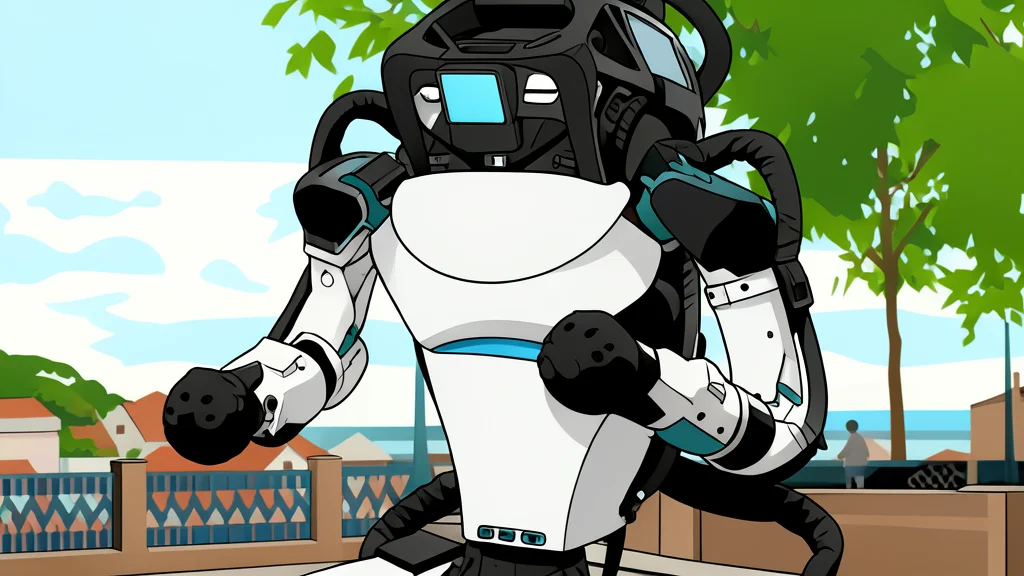
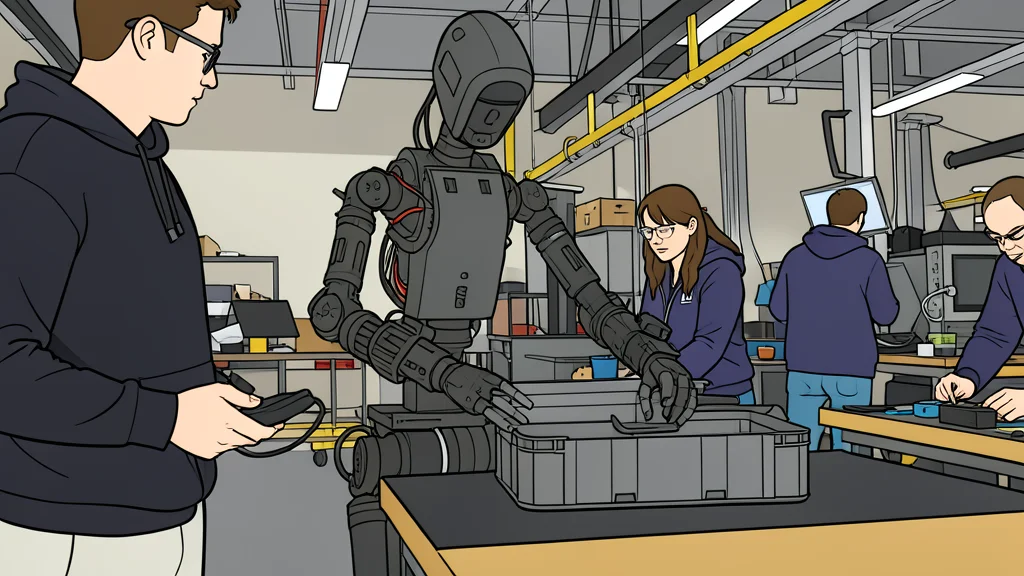
Agility Robotics, a company based in Salem, Oregon, has introduced the fifth generation of its humanoid robot, Digit 5. The primary design goal of this update is to allow the machine to operate safely in close proximity to human employees within manufacturing environments. This represents a shift from isolated robotic cells toward integrated production lines where people and machines share the same physical space.
The company states that this capability is crucial for commercial scaling. By ensuring that the robot can coexist with workers without causing safety hazards, Agility aims to make the technology viable for a broader range of industrial applications. This approach differs from traditional industrial arms, which are typically enclosed in protective cages to prevent accidental contact.
Physical Capabilities and Size
Digit 5 stands approximately 180 centimeters tall and weighs about 129 kilograms. These dimensions place it within the typical height range of adult humans, which is essential for interacting with standard factory equipment. The robot features grippers on its hands, allowing it to manipulate products and tools rather than just moving them from point A to point B.
The design also emphasizes vertical reach. The robot can extend its working height to roughly 2.2 meters, enabling it to access high shelves or overhead storage areas without the need for external lifting mechanisms. This versatility reduces the complexity of the surrounding infrastructure required to support the robot's operation.
Improvements Over Previous Models
This release is a direct update to the earlier version of Digit, which has already been deployed by major customers such as Amazon. Agility Robotics notes that the new model can lift heavier loads than its predecessor. Additionally, the battery system has been improved, which likely translates to longer operational periods between charging cycles. These hardware enhancements address two of the most common limitations in industrial robotics: payload capacity and endurance.
Commercial Context and Trade-offs
According to GN auto tech/robotics, the company may go public later this year. The emphasis on safe human-robot collaboration is a strategic move to broaden the market appeal of the product. However, there is a trade-off inherent in this design. Operating safely alongside humans often requires complex sensor arrays and slower reaction times compared to robots that operate in isolated, high-speed environments. The robot must constantly monitor its surroundings to prevent collisions, which can limit its maximum throughput compared to dedicated, single-task industrial machines.