Roblox Plans Browser Access and Offline Play Modes
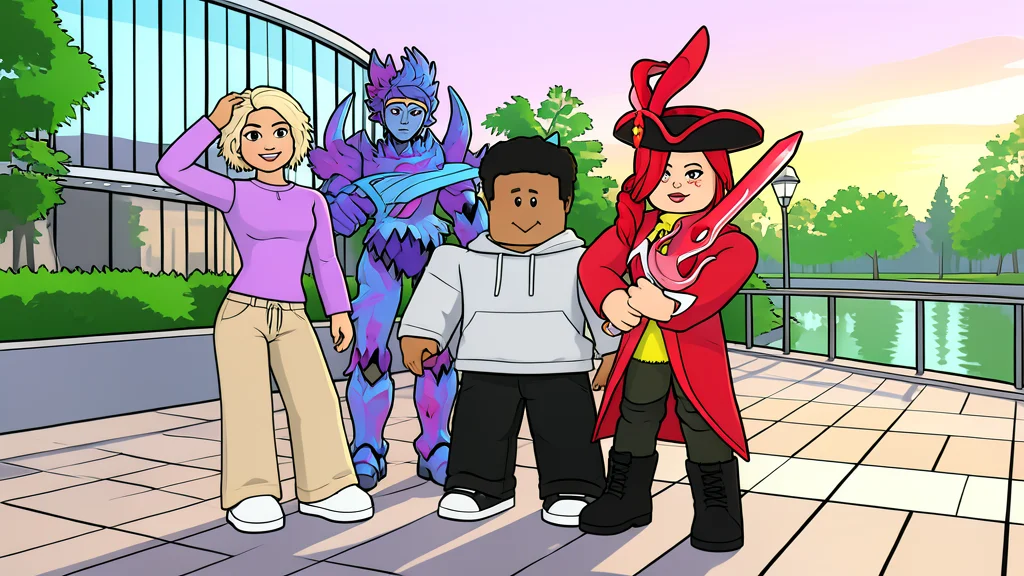
Roblox is set to remove installation barriers by launching browser-based gaming and offline capabilities, aiming to make its platform more accessible to a wider audience.
Roblox is preparing to lower the entry barrier for new players by allowing games to run directly in web browsers and eventually without an internet connection. The company outlined these changes at its annual developers conference, signaling a shift toward greater flexibility for how users access content. These updates aim to solve common friction points, such as the need to download a specific client or maintain a stable data link, which have historically limited the platform's reach.
The roadmap includes two major milestones: browser-based play arriving by the end of 2026 and offline solo modes expected in mid-2027. Additionally, the platform is expanding its engine capabilities to support 2D game structures, moving beyond the 3D experiences that have defined the service for years. This broader strategic push is designed to make Roblox content more discoverable and playable across various devices and network conditions.
Browser Access Reduces Installation Friction
The most immediate change allows users to launch experiences via a link without installing the Roblox application. Initially limited to Google Chrome, this feature is scheduled for late 2026. As reported by GN technics/gaming, this move enables players to jump directly into a game from external sources like social media or search engines. The trade-off is a restricted browser support list, which may exclude users relying on Firefox or Safari for now.
This approach simplifies discovery by removing the step of navigating to the main app interface. While it increases accessibility, the initial limitation to a single browser means that cross-platform parity will not be immediate. Users on other platforms will still need to wait for future updates to enjoy the same seamless entry experience.
Offline Mode Depends on Creator Choice
Planned for mid-2027, offline gaming will allow solo play without an active internet connection. However, this feature is not universal; individual developers must opt in to enable it for their specific experiences. This gives creators control over how their games function in low-connectivity environments, such as during travel. The catch is that multiplayer-dependent titles will remain excluded, limiting the feature to solo-focused content.
Engine Expansion Supports 2D Game Structures
Roblox is also modifying its development engine to support 2D games and different interface structures. This marks a departure from its traditional focus on 3D virtual worlds. By broadening the types of experiences the platform can host, Roblox aims to attract a wider variety of creators and players. However, this transition requires significant changes to the underlying infrastructure, which may present new technical challenges for developers adapting to the new tools.