Silent Hill Townfall Makes Stealth Core Mechanic
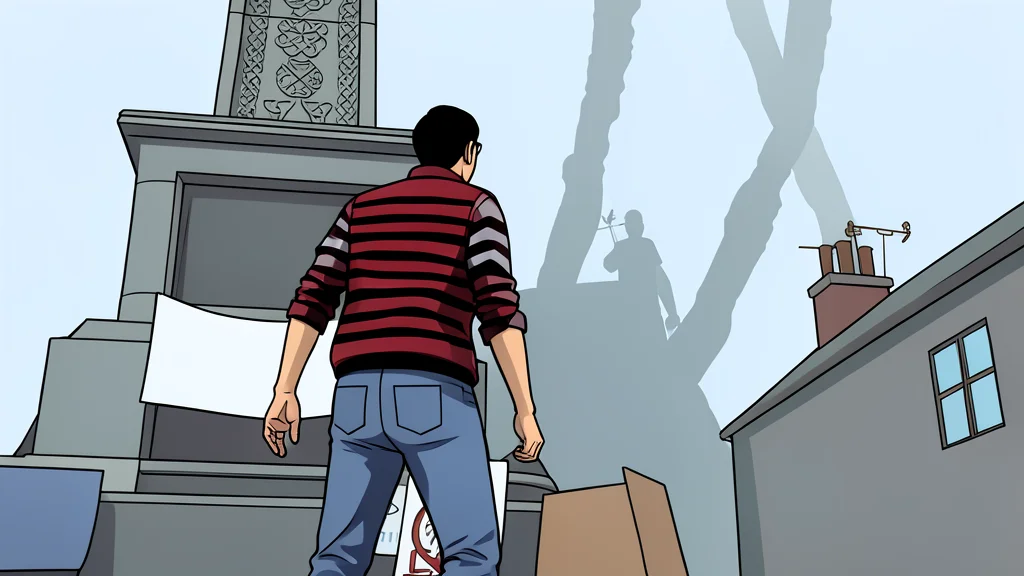
The new entry forces players to hide rather than fight, trading combat for tense navigation in a foggy Scottish town.
Key points
- Townfall is the first Silent Hill game to use a full first-person perspective.
- The game minimizes gunplay, forcing players to rely on stealth and a tracking device.
- The narrative offers clearer explanations for character trauma compared to previous titles.
Konami has officially returned the Silent Hill franchise to its horror roots with the release of Townfall. This third installment in the modern reboot cycle shifts the perspective entirely to first-person, making the claustrophobic environments feel more immediate and oppressive than in previous entries.
Developed by Screen Burn Interactive, the game follows Simon Ordell through the foggy streets of St. Amelia in 1996. While the story structure remains familiar to long-time fans, the execution is praised for its atmospheric density and the way it forces players to confront their fears through avoidance rather than direct confrontation.
Stealth replaces gunplay
The most significant change in Townfall is the near-total removal of traditional combat. The game offers very few bullets and melee weapons that degrade quickly, effectively turning the experience into a stealth puzzle. Players must rely on a portable television device that displays static to track monster locations, requiring them to stay hidden and observe rather than engage.
This design choice creates a unique tension within the series. However, the trade-off is that the mechanics can feel inconsistent. Some players report frustration with enemy detection logic, where hiding behind cover does not always guarantee safety. This unpredictability can break the immersion, turning moments of dread into annoyance when the game feels unfair rather than scary.
Clarity over mystery
Unlike earlier titles that left narrative details ambiguous, Townfall offers a more transparent look at its characters' traumas. The motives and emotional states of the cast are explained with greater clarity, reducing the dreamlike ambiguity that defined previous games. This approach makes the story more accessible, though it sacrifices some of the ethereal mystery that many fans associate with the franchise.
Reviewers from Game Informer note that this narrative balance is a deliberate choice. By providing more context for the characters' distress, the game aims to ground its horror in psychological reality. While this reduces the sense of the unknown, it allows for a deeper emotional connection to the protagonist's journey through the town.
Atmosphere drives the experience
The visual presentation of St. Amelia is a standout feature, with detailed interiors and thick, rolling fog that enhances the sense of isolation. The first-person view makes the environment feel overbearing, rewarding players who take the time to inspect their surroundings. This aesthetic strength helps carry the game through its mechanical shortcomings, keeping the focus on the psychological weight of the setting.
Despite the flaws in enemy AI and combat balance, the game succeeds as an atmospheric horror experience. It captures the core essence of the series, which is about loneliness and the manifestation of internal trauma. For players willing to accept the stealth-focused gameplay, the result is a compelling and affecting entry that revitalizes the franchise's identity.