Apple's $20,000 Mac Clusters Aim to Reduce Cloud AI Costs
Apple is pitching high-end Mac systems as a one-time hardware alternative to ongoing cloud computing fees, though enterprise adoption remains a hurdle.
Key points
- Apple's new Mac systems allow companies to run large AI models locally, avoiding recurring cloud fees.
- Top-tier configurations cost up to $20,000, trading upfront hardware costs for long-term savings and privacy.
- Apple holds only 4.6% of the enterprise computer market, creating a major hurdle for widespread adoption.
Apple has introduced new Mac Mini and Mac Studio configurations designed to run large artificial intelligence models locally within a company’s own facilities. This strategy targets businesses seeking to avoid the recurring costs associated with cloud-based AI services, offering a fixed hardware investment instead. The stock reacted positively to the news, rising approximately 0.8% to reach $341.53 on Tuesday.
The core value proposition is the ability to purchase computing power once and retain data on-site. By processing workloads locally, companies can enhance data privacy and eliminate the unpredictability of per-token cloud billing. However, the high price point of these systems, which can approach $20,000 for top-tier setups, presents a significant financial barrier for many organizations.
Local processing offers distinct privacy benefits
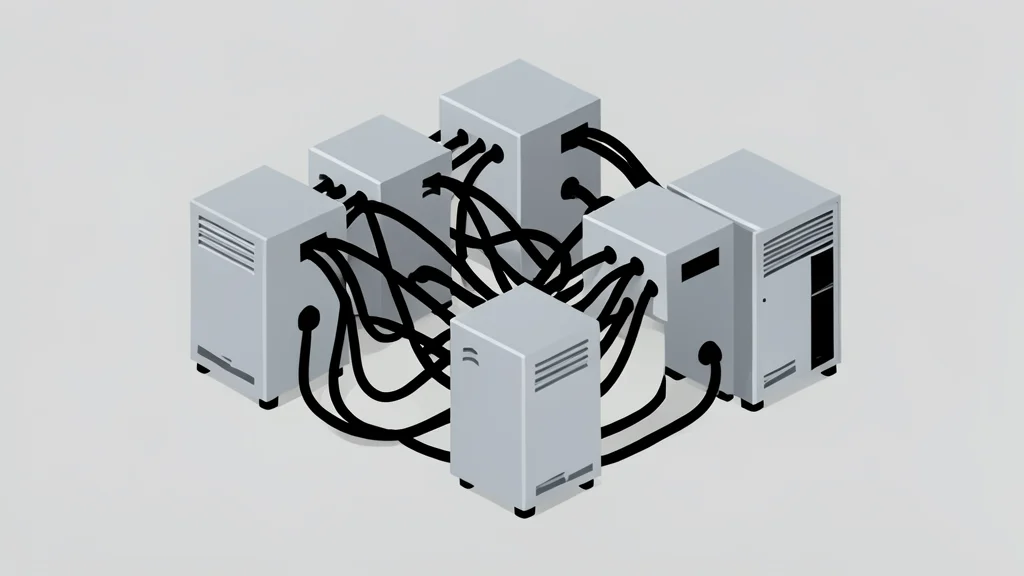
Running AI models on-premise allows businesses to keep sensitive data within their own infrastructure, a critical feature for sectors with strict compliance requirements. Apple demonstrated the capability by linking four Mac Studios together to run a trillion-parameter model from a single power source. This setup utilizes RDMA-over-Thunderbolt technology to create a low-latency cluster, effectively turning standard desktop computers into a powerful private AI engine.
This approach shifts the economic model from an ongoing operational expense to a capital expenditure. While the initial outlay is substantial, it provides predictable spending and removes reliance on third-party cloud providers. For heavy users of AI tools, this trade-off between upfront cost and long-term savings may prove compelling, provided the hardware can sustain the required workload.
Enterprise market share remains a challenge
Despite the technical capabilities, Apple faces a significant distribution hurdle in the corporate sector. According to estimates cited by Reuters and sourced via Yahoo Finance, Apple holds only 4.6% of the enterprise computer market. In stark contrast, Windows-based systems dominate with a 91.3% share, indicating that the vast majority of corporate IT environments are not currently built on Apple hardware.
Investor valuation reflects high growth expectations
The market is already pricing in a premium for Apple’s potential success in this space. Current trading levels place the stock at $341.53, which is 19.14% above the calculated GF Value of $286.67. This valuation gap suggests that investors expect substantial future adoption of these private AI solutions to justify the current share price.
Apple must now convert this technical architecture into widespread enterprise usage to sustain its valuation. If companies continue to prefer Windows-based infrastructure or stick with cloud providers, the premium paid for Apple stock may become difficult to defend. The success of this initiative hinges on whether the cost savings and privacy benefits outweigh the high entry price and the need to migrate from established Windows environments.