Rugged Hardware Builds Resilient Control Hubs for Unmanned Fleets
Review Display Systems is crafting durable control hardware for drones and ground vehicles, prioritizing reliability in extreme environments over consumer-grade convenience.
Review Display Systems (RDS) is engineering a suite of ruggedized hardware components specifically for military and defense unmanned aerial and ground vehicles. The company provides everything from high-brightness displays to embedded computing platforms, all designed to withstand the physical and environmental stresses of field operations. According to an interview with the company's marketing manager, Daniel Burke, these solutions are intended to support developers building complete, reliable unmanned systems and ground control stations.
The core of this offering is hardware that meets stringent military standards, such as MIL-STD-810 and IP68 ratings for dust and water resistance. This equipment is built to maintain situational awareness and real-time processing capabilities even when exposed to extreme temperatures, heavy vibration, or direct sunlight. By handling the physical infrastructure, RDS allows software developers to focus on mission-specific logic and autonomy algorithms rather than worrying about hardware failure in the field.
Displays Built for Harsh Outdoor Conditions
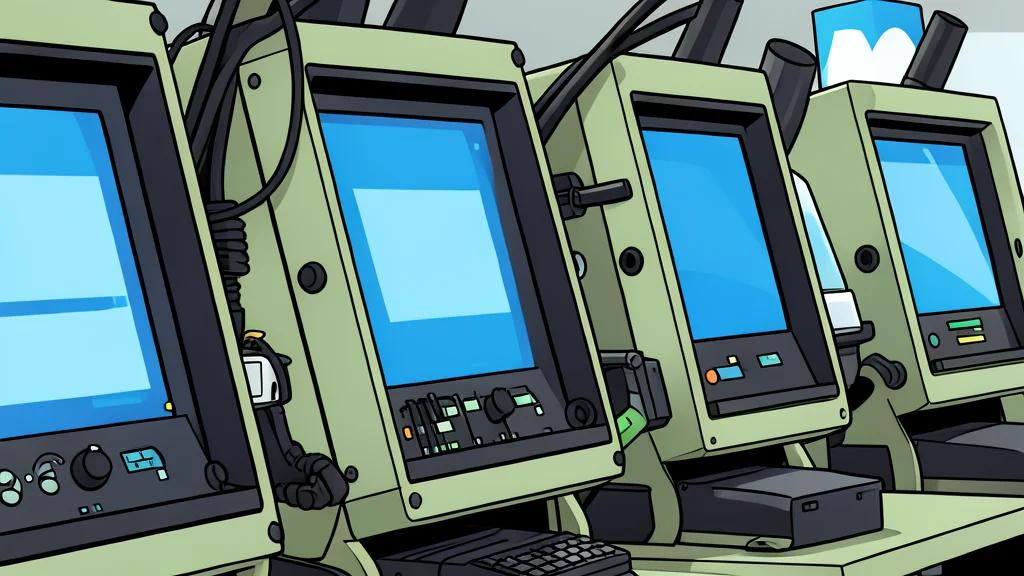
One of the primary challenges in operating unmanned systems is visibility. Standard consumer screens often fail under direct sunlight or in low-temperature environments. RDS addresses this by providing high-brightness displays and human-machine interfaces that remain readable in bright conditions. These screens are engineered to resist impact, vibration, and UV degradation, ensuring that operators can clearly view telemetry, camera feeds, and sensor data regardless of the weather or lighting conditions.
The company also specializes in preventing false touch inputs, a common issue when operators are wearing gloves or when screens are exposed to rain. Custom cover glass, specialized touch interfaces, and robust backlights allow for precise control in environments where a simple misread on a screen could lead to mission failure. This focus on durability ensures that the interface remains a reliable link between the operator and the unmanned platform.
Embedded Processing for Autonomy and Sensors
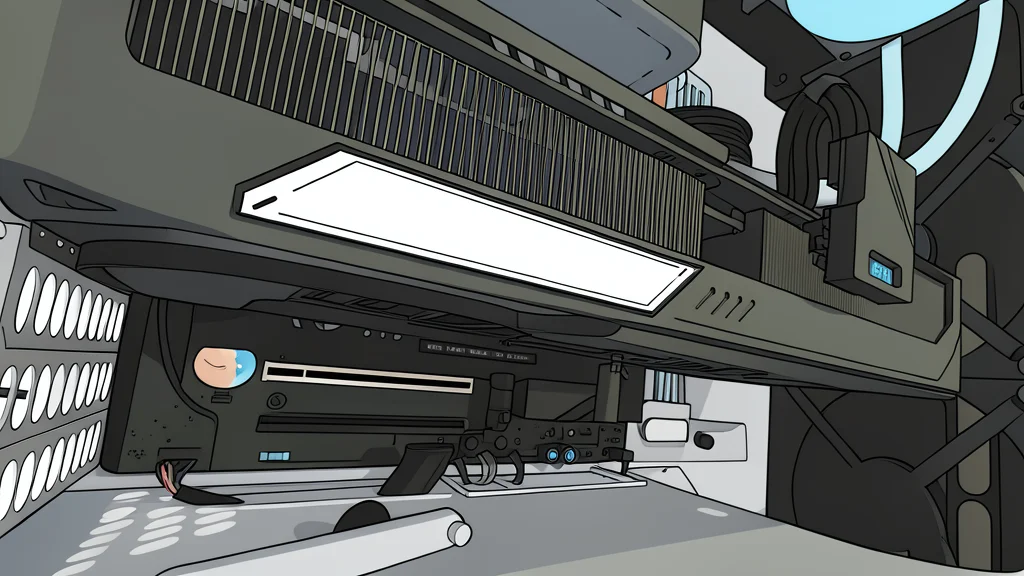
Beyond visual interfaces, RDS supplies secure embedded computing platforms capable of handling heavy data loads. These systems are designed to process live video feeds and integrate neural AI processing for sensor fusion. This onboard capability allows unmanned vehicles to make real-time decisions without relying solely on external connections, which can be unstable or unavailable during critical operations. The hardware supports the complex computational needs of modern autonomy systems while maintaining a secure and reliable operating environment.
The company offers both off-the-shelf solutions and custom-designed boards tailored to specific customer specifications. This flexibility allows developers to embed computing power directly into the vehicle architecture, reducing cabling complexity and improving overall system reliability. By managing power and processing locally, these embedded systems help extend the operational range and endurance of unmanned platforms in remote or contested areas.
Customization Drives Platform Specificity
A significant portion of RDS’s work involves engineering to suit specific platform requirements. This includes creating custom keyboards, joysticks, and touchpads with specialized keycaps and driver boards. Displays can be produced in non-standard shapes and sizes to fit within tight vehicle envelopes, provided minimum order quantities are met. This level of customization ensures that the hardware integrates seamlessly into the overall design of the unmanned system, rather than being an add-on that compromises structural integrity or ergonomics.
For example, RDS has developed portable, all-in-one ground control stations for uncrewed surface vehicles. These units combine large capacitive touchscreens with high-performance single-board computers and IP-rated controls in a lightweight construction. They are designed to fit within transportation cases, allowing operators to control large marine or surface systems remotely. This approach reduces the risk of loose components failing during transport and ensures that the control station is ready for immediate deployment upon arrival at the site.