HDMI 2.2 Cables Arrive Before Compatible Hardware Exists
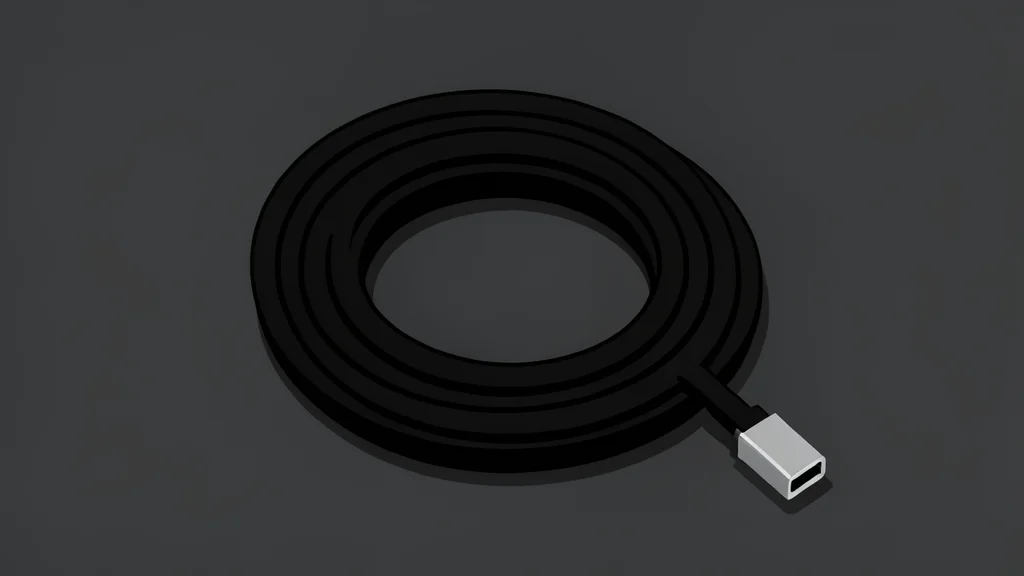
Certified cables for the next generation of video standards are hitting store shelves, yet no major electronics manufacturer has released a device that can fully utilize their expanded bandwidth.
Consumers can now purchase the first HDMI 2.2 cables certified under the new Ultra96 standard, creating a rare disconnect between accessory availability and hardware readiness. Retailers have begun shipping these high-performance connections, but the graphics cards, consoles, and televisions required to drive them at full capacity are not expected to reach the market until 2027. This means buyers are effectively purchasing a premium cable for features that do not yet exist in consumer devices.
The HDMI 2.2 specification, finalized in mid-2025, doubles the maximum bandwidth from 48 Gbps to 96 Gbps. This increase allows for uncompressed 4K video at 240Hz and 8K at 60Hz with full color fidelity. While the cables are backward compatible with current HDMI 2.1 devices, the significant performance leap only manifests when paired with future-generation hardware that supports the higher data rates.
Strict certification rules for each cable length
The Ultra96 certification process is the most rigorous HDMI has ever implemented. Unlike previous standards, every specific cable length must pass testing independently at an authorized center. A successful test for a two-meter cable does not guarantee that a three-meter version of the same model will perform identically. Each certified unit carries a unique QR code that links to its verified test results, allowing consumers to confirm the exact specifications of the physical item they purchased.
This independent testing requirement addresses signal degradation issues that become more pronounced over longer distances. By certifying each length separately, the HDMI Forum aims to ensure that users do not inadvertently buy a cable that claims to support high-bandwidth features but fails to deliver them reliably at their specific length.
Hardware gap delays full utilization
Current high-end graphics cards from NVIDIA and AMD utilize HDMI 2.1b, which caps out at 48 Gbps. According to GN technics/hardware, the next wave of hardware supporting HDMI 2.2 is anticipated in 2027. Even then, reports suggest that AMD’s upcoming RDNA 5 architecture may target a bandwidth of 64 to 80 Gbps, falling short of the full 96 Gbps ceiling. This indicates that even in two years, some top-tier components may not fully exploit the new cable capabilities.
The delay creates a trade-off for early adopters. Buying these cables now secures a connection ready for future displays, but it offers no immediate performance benefit for existing setups. The extra cost is justified only for users planning to upgrade their entire video chain in the next couple of years, rather than those seeking an instant improvement in image quality or refresh rates.
Early availability from select manufacturers
Silkland has opened orders for its H96 series, marking the first global availability of Ultra96-certified products. The two-meter version is priced at $32.99, while the three-meter option costs $56. Shipments are scheduled to begin in batches starting the week of October 5. Meanwhile, Japanese manufacturer ELECOM announced its own certified lineup in early September, with deliveries expected in mid-November.
These early releases highlight the confidence manufacturers have in the longevity of the HDMI 2.2 standard. However, the absence of compatible hardware means that the primary value proposition remains speculative. Buyers are essentially pre-purchasing infrastructure for a future ecosystem, betting that the 2027 hardware cycle will deliver on the promise of higher resolutions and faster refresh rates without further delays.