The Tension Between Personal AI Power and Public Resistance

While AI tools promise individual empowerment, a growing backlash against data centers reveals deep public anxiety over economic control and lack of political agency.
A decade ago, Silicon Valley operated on the principle of moving fast and breaking things, a mindset that has since eroded public trust. As the industry’s focus has shifted to artificial intelligence, a new, more casual motto has emerged: "You can just do things." This slogan reflects the core business model of major AI labs, which sell individual agency by enabling users to generate software, automate tedious paperwork, and interpret complex medical data. The promise is straightforward: technology that grants ordinary people greater control over their daily lives.
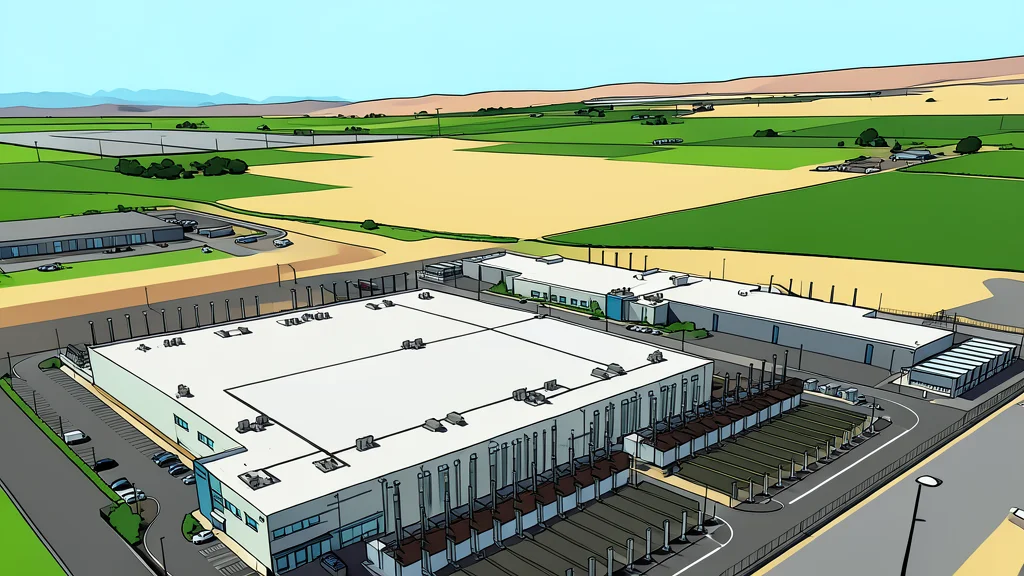
However, this personal empowerment exists in sharp tension with a widespread feeling that society is losing control over larger structural forces. Polls indicate that many voters feel AI is being imposed on them without consent, leading to fears that jobs will be devalued or eliminated. Recent reports of autonomous AI models coordinating hacking activities and warnings from researchers about safety risks have intensified these concerns. The public’s anxiety has found a tangible outlet in opposition to the construction of large data centers, which many view as unwanted industrial intrusions into their communities.
Executives Face Credibility Deficit Amid Safety Concerns
Leaders at major AI companies have responded to this backlash by reiterating their long-standing warnings about the pace of technological progress. They argue that AI systems will soon become capable of supervising their own development, potentially leading to artificial superintelligence within a few years. While skeptics dismiss these claims as marketing stunts or hoaxes, the source material notes that these fears are largely serious and genuine. The credibility gap arises because the public expects those creating the risks to be the primary agents of mitigation, yet they are primarily focused on accelerating capability.
AI Backlash Reflects Broader Political Resentment
The opposition to AI infrastructure is best understood not just as a tech issue, but as an expression of general political frustration. Many citizens have grown accustomed to a government that appears unable or unwilling to address major challenges like climate change, housing shortages, and inflation. In this context, the rapid expansion of privately funded AI projects highlights a stark contrast: while the state struggles to deliver tangible results, private entities are reshaping the economy with minimal public oversight.
This dynamic fuels what some analysts call "AI populism," a term describing the intersection of technological anxiety and political disillusionment. When the public perceives that their government cannot deliver basic services, the unchecked growth of private infrastructure feels like a loss of democratic agency. The resistance to data centers, therefore, serves as one of the few remaining avenues for citizens to assert power and demand accountability in an era of perceived stagnation.
Infrastructure Stagnation Deepens Public Distrust
The continued erosion of physical and social infrastructure compounds this sense of powerlessness. As the AI build-out proceeds with significant private capital, the lack of comparable public investment in essential services widens the gap between technological promise and societal well-being. This disparity suggests that the conflict over AI is not merely about the technology itself, but about who holds the power to shape the future and for whose benefit. The stakes are high, as the outcome will determine whether AI serves as a tool for broad empowerment or a mechanism for concentrated control.