Old Android Phones Can Now Run Smart Home Hubs
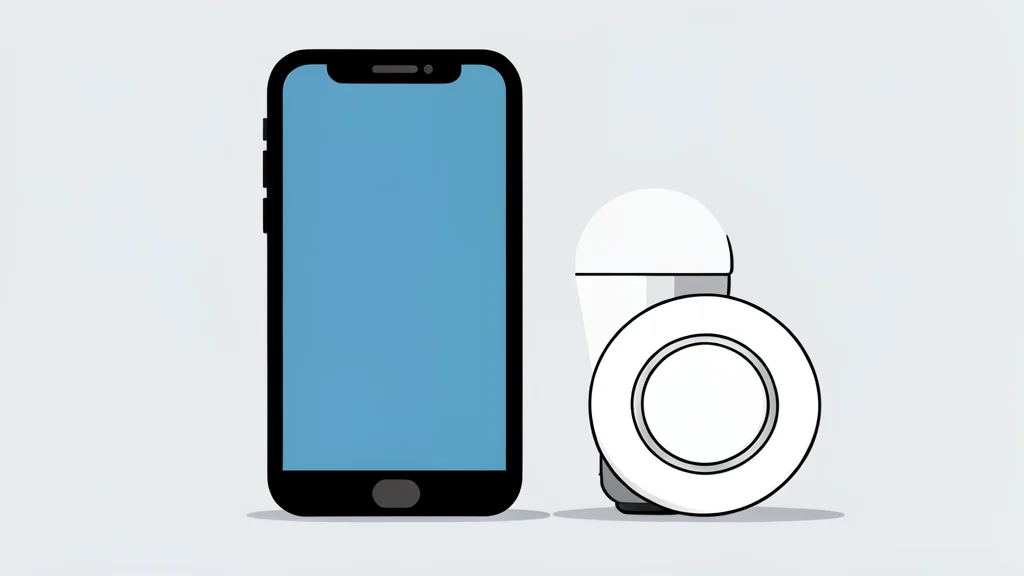
A new method allows outdated smartphones to function as reliable servers for Home Assistant, offering a low-power alternative to dedicated hardware.
Many households still have old smartphones gathering dust in drawers. While these devices are often too slow for modern apps, they possess enough processing power to manage a network of smart lights and locks. A recent experiment documented by XDA Developers shows that running Home Assistant, a popular open-source smart home platform, on an old Android phone is not only possible but surprisingly effective.
Home Assistant acts as a central brain for IoT devices, allowing users to create automations and control gadgets without relying on cloud services from major tech companies. Traditionally, running this software requires a dedicated mini-PC or a virtual machine on a powerful server. However, the latest findings suggest that repurposing existing hardware can simplify the setup and reduce energy consumption, provided the right software tools are used.
Initial attempts using Podroid failed
The first approach involved using Podroid, a tool that allows Android devices to run Linux containers without needing root access. This is appealing because it keeps the phone’s operating system intact. The user successfully deployed the Home Assistant container and even restored a backup from their main server. The dashboard loaded, and the system recognized the connected devices.
However, the connection to the actual smart devices failed. Despite tweaking firewall rules and network settings, the software could not communicate with the lights and thermostats. This limitation stems from how Podroid handles network permissions. It restricts certain system-level port mappings that Home Assistant needs to talk to local IoT gadgets. For users who need a fully functional hub, this dead end makes the method impractical.
Termux offers a working alternative
The solution came from a different tool called Termux, combined with a specific repository known as Linux-Android. This setup runs Home Assistant inside an Ubuntu environment using a technique called proot. Unlike Podroid, this method provides the necessary network access for the smart home platform to communicate with devices on the local network. The installation process involves running a simple script within the Termux terminal.
Once deployed, the instance on the old phone successfully controlled most smart devices without issue. The performance was smooth enough for daily use, handling dashboards and automations effectively. This proves that the hardware in older phones is sufficient for the lightweight tasks involved in managing a smart home. The trade-off is the complexity of the setup; it requires a level of technical comfort with command-line tools that may not suit everyone.
Practical benefits and limitations exist
Using an old phone as a server has clear advantages. It utilizes existing hardware, reducing the need to buy new mini-PCs. It also consumes less power than a dedicated server, which can lower electricity costs over time. For hobbyists who already have a collection of smart devices, this method offers a way to self-host their control hub without adding new clutter to their home.
There are significant catches, however. The setup is not plug-and-play; it requires manual configuration and troubleshooting. If the phone loses power or gets updated, the service may go down, potentially leaving smart devices inaccessible. Additionally, while the phone can handle basic tasks, it may struggle with heavy processing loads or a very large number of connected devices. It is a viable option for small to medium setups, but it is not a drop-in replacement for professional-grade servers.