Slovenia Ends EV Purchase Subsidies to Fund Charging Network

Slovenia is ending financial incentives for buying electric vehicles, redirecting its limited budget toward building more public charging points. The move marks a significant shift in the country's energy strategy.
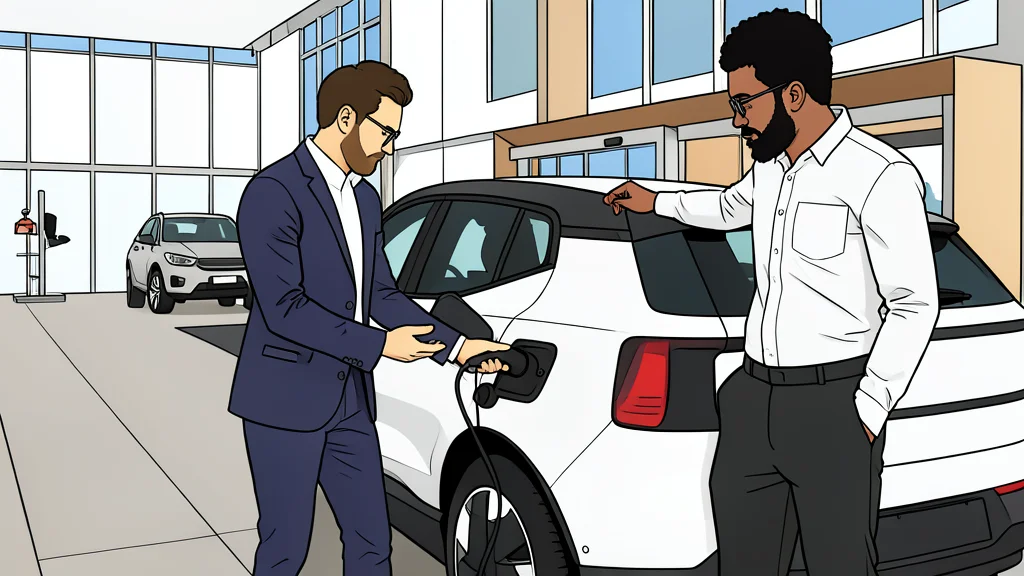
Slovenia has decided to stop subsidizing the purchase of electric vehicles. This marks a clear break from previous policy, which prioritized helping consumers buy green cars. Instead, the new government led by Prime Minister Janez Janša is choosing to invest in the infrastructure needed to support those vehicles. The shift reflects a broader reassessment of how the country approaches its energy transition and resource allocation.
The decision was announced by Urška Kalan, a deputy director at Borzen, the electricity market operator. She explained that the focus is moving from the car itself to the charging points that make it usable. This change is driven by the expiration of European Union funding streams and a desire to address what the current administration views as a neglect of domestic energy sovereignty by its predecessors.
New Focus on Charging Infrastructure
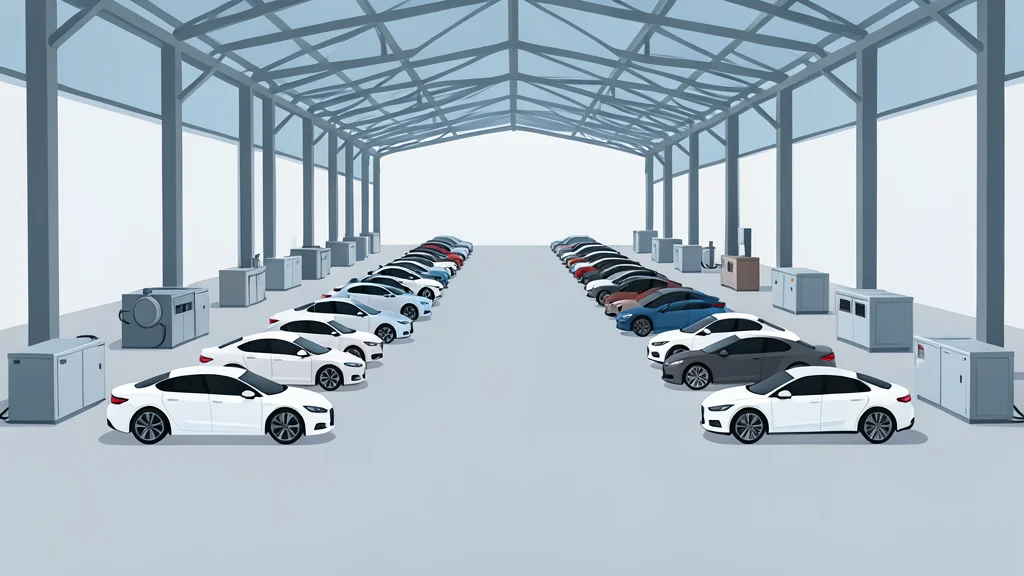
The new strategy allocates specific funds to expand the charging network. Approximately 2.5 million euros is currently available for slower charging stations, while an additional 25 million euros is set to be distributed next year. This new funding will cover e-chargers located both within the Trans-European Transport Network and in areas outside of it. A notable change in eligibility is that subsidies for slower charging points are no longer restricted to corporate entities, allowing a wider range of businesses and potentially public entities to apply.
Why Purchase Subsidies Are Ending
The end of purchase subsidies is largely due to a surge in demand that quickly depleted available funds. Between 2017 and 2024, subsidies were granted for about 3,800 electric vehicles. However, in the last 18 to 24 months alone, over 9,500 vehicles received support. This rapid uptake exhausted the budget intended for the next two years. A major factor was the European Union’s Recovery and Resilience Facility, which allocated nearly 44 million euros for EV incentives between 2024 and 2026. Since this funding stream expired in May, Slovenia must now rely on its own limited domestic resources.
Reallocation of Market Operator Funds
As the EU-backed incentives disappear, the government is looking to other sources of money. The Government of Slovenia has proposed reallocating part of the funds managed by Borzen to subsidize petroleum product purchases for specific target categories of end customers. This move highlights the tension between supporting electric mobility and managing the costs of fossil fuels for other sectors. For consumers, the trade-off is clear: while the charging network will grow, the direct financial help for buying an electric car is gone, making the initial purchase price a heavier burden for individual buyers. The source for this policy shift is reported by GN auto tech/ev.