RHYTHM: A Dedicated Audio Player for Focused Listening
A new portable device challenges the smartphone's dominance over music by prioritizing dedicated audio hardware and tactile controls over constant connectivity.
Smartphones have effectively turned music into a background task, often interrupted by notifications or competing for screen real estate with other apps. RHYTHM aims to reverse this trend by offering a standalone device designed exclusively for audio playback. According to GN technics/mobile (en-US), the goal is to provide an uninterrupted listening experience that does not require managing a complex operating system or app ecosystem.
The device is built from scratch with a focus on audio fidelity rather than general-purpose computing. It uses specific hardware components typically found in high-end home audio systems, ensuring that the signal path is optimized for sound quality. This approach addresses a common complaint among audiophiles: that multi-function devices often compromise audio performance to save space and cost.
Dedicated Hardware for Sound Quality
Unlike budget players that rely on integrated chips, RHYTHM utilizes a discrete ESS SABRE DAC and a separate amplifier stage. This separation allows the digital file processing and the actual sound reproduction to be handled by specialized hardware. The result is a cleaner signal path that reduces interference, which is particularly noticeable in quiet passages of complex recordings.
The power supply architecture further supports this goal by physically isolating digital logic from analog circuitry. By using dedicated low-noise regulators for each section, the device minimizes electrical interference that can degrade audio clarity. While these engineering choices are invisible to the user, they significantly impact the dynamic range and noise floor of the playback.
Tactile Controls Replace Touchscreens
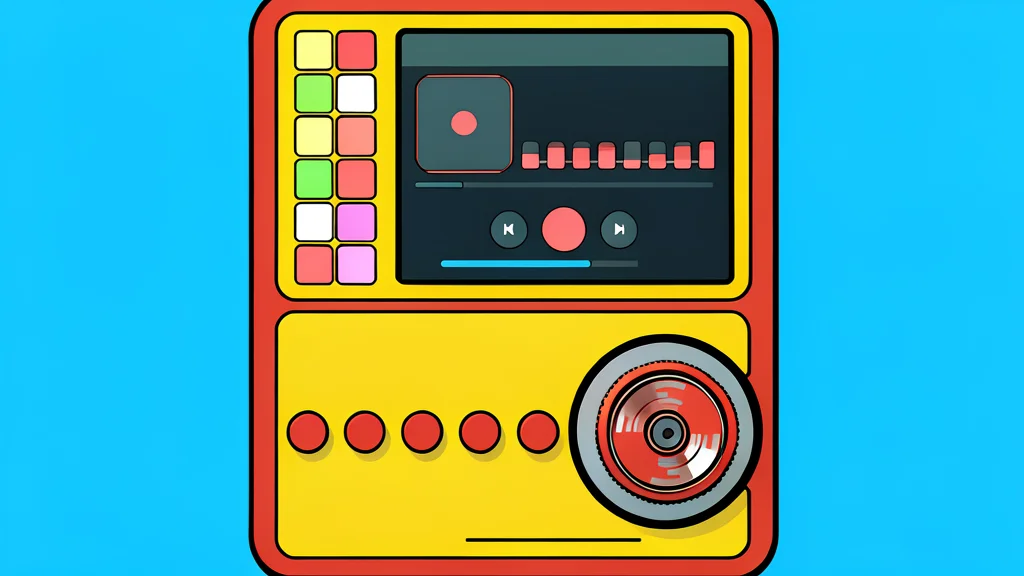
Navigation is handled by a precision mechanical rotary encoder and tactile buttons, rather than a touchscreen. This design choice makes the device easier to operate without looking, a significant advantage when the player is stored in a pocket or bag. The interface feels more like a dedicated instrument than a shrunken smartphone, reducing the cognitive load of managing a graphical user interface.
A small two-inch color display provides essential information such as track details and battery status. The compact size keeps the device portable, but the lack of a large screen reinforces its single-purpose nature. Users who prefer the convenience of touch interfaces may find the physical controls less intuitive initially, but they offer a more direct connection to the music.
Local Storage and Shared Outputs
RHYTHM stores music files locally on a microSD card, eliminating the need for streaming services or internet connectivity. This ensures that playback is not affected by network latency or subscription changes. The trade-off is the requirement to manually transfer files to the device, which may be inconvenient for users who rely on automatic syncing.
The device features two independent 3.5mm headphone outputs, each driven by its own amplifier. This allows two people to listen simultaneously without sharing a single signal source. Unlike typical shared outputs where one user's volume or impedance can affect the other, this setup provides a full, uncompromised signal to each pair of headphones.