Slot Location Impacts SSD Heat More than the Heatsink
Your storage drive may be running hotter than necessary due to its physical position on the motherboard, a factor often overlooked by users.
While processors and graphics cards typically dominate discussions about computer temperatures, solid-state drives often operate in the shadows. Many users assume that if their storage is running warm, the fault lies with a missing heat spreader or a poor quality drive. However, recent analysis suggests that the specific M.2 slot selected for installation plays a more significant role in thermal performance than the hardware itself.
According to reporting from XDA Developers, the placement of your drive relative to other components can create a bottleneck in airflow. This means that even a high-end drive with a premium cooler can suffer from excessive heat if it is positioned in a cramped area of the case, potentially leading to unnecessary wear on the memory chips over time.
High speeds generate expected heat
It is important to distinguish between normal operation and dangerous overheating. Modern high-speed drives are designed to run warm, often reaching 50 to 80 degrees Celsius during heavy data transfers. This is a natural byproduct of processing data at speeds exceeding 14,000 megabytes per second. As long as the temperature stays below the manufacturer's throttling limit, typically around 70 to 80 degrees, the drive is functioning within its intended safety margins.
Most modern motherboards include a metal bracket that acts as a heat spreader, which is usually sufficient to keep these temperatures in check. If your case is clean and has good general airflow, but the drive is still running hot, the issue likely stems from local air circulation rather than the drive's internal design.
Graphics card exhaust traps heat
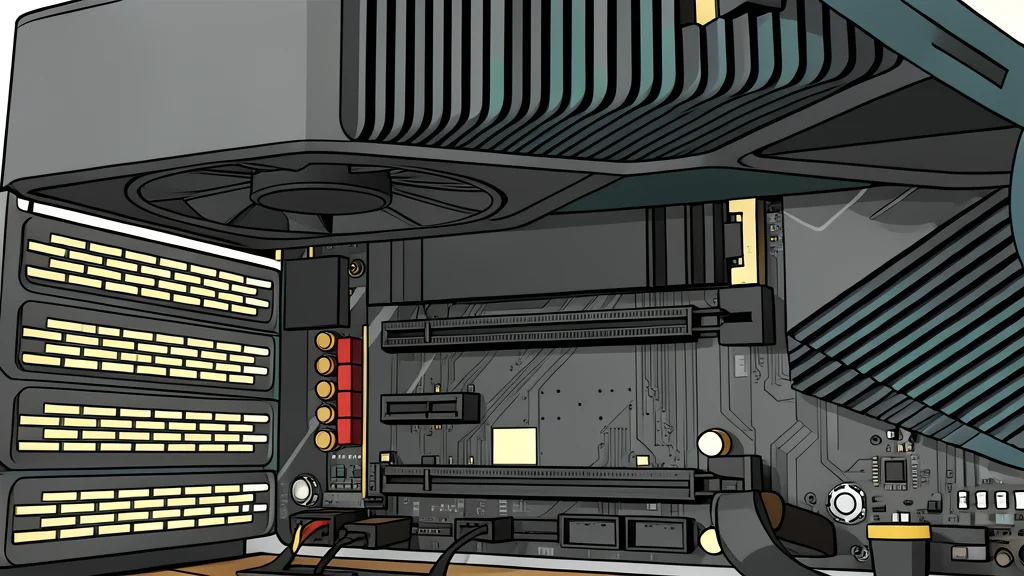
The most common culprit for elevated storage temperatures is the M.2 slot located directly beneath the primary graphics card slot. The exhaust fan of a modern graphics card blows hot air directly downward into this confined space. This creates a pocket of stagnant, heated air that the drive must push against, effectively raising its operating temperature significantly compared to slots with clearer paths to cool intake air.
Simple repositioning improves longevity
The solution is often as simple as moving the drive to a different slot. While the primary slot offers the fastest data lanes, secondary slots connected to the chipset are often sufficient for secondary storage drives. By placing the drive in a location with better airflow, users can reduce sustained heat stress. This simple adjustment helps preserve the lifespan of the NAND flash cells, which degrade faster under prolonged high-temperature conditions, ensuring the drive remains reliable for years to come.