Kioxia Exceria Pro G2 Balances Speed and Reliability
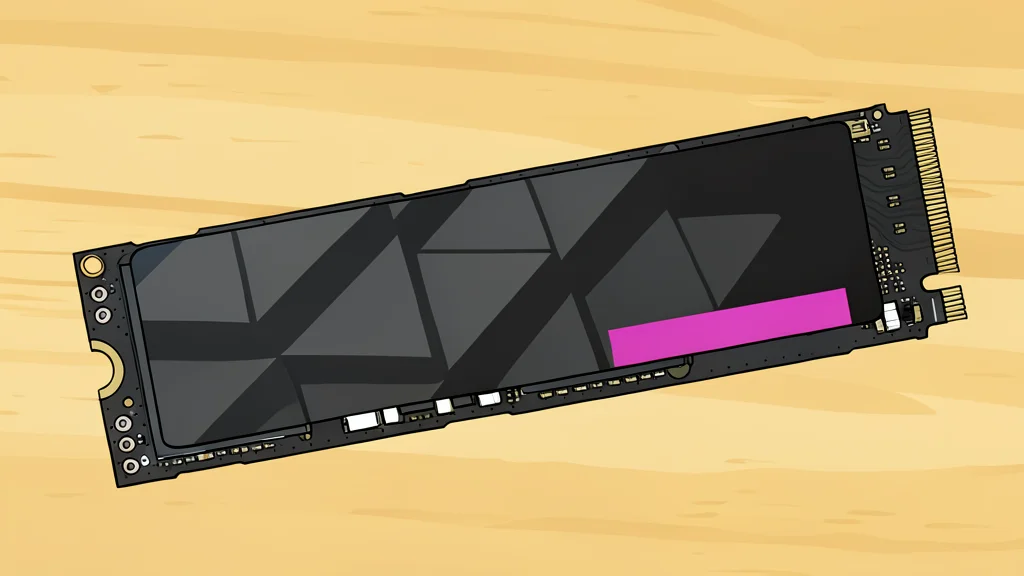
A new high-speed storage option offers competitive pricing and strong endurance, though it lacks the peak speeds of its closest rivals.
Kioxia has released the Exceria Pro G2, a solid-state drive designed for users who need high-speed data transfer without sacrificing long-term stability. While it does not hold the top spot for raw speed in the PCIe 5.0 category, it offers a compelling package for those who prioritize consistent performance and lower power consumption. The drive targets a specific segment of the market where reliability is often valued higher than absolute peak throughput.
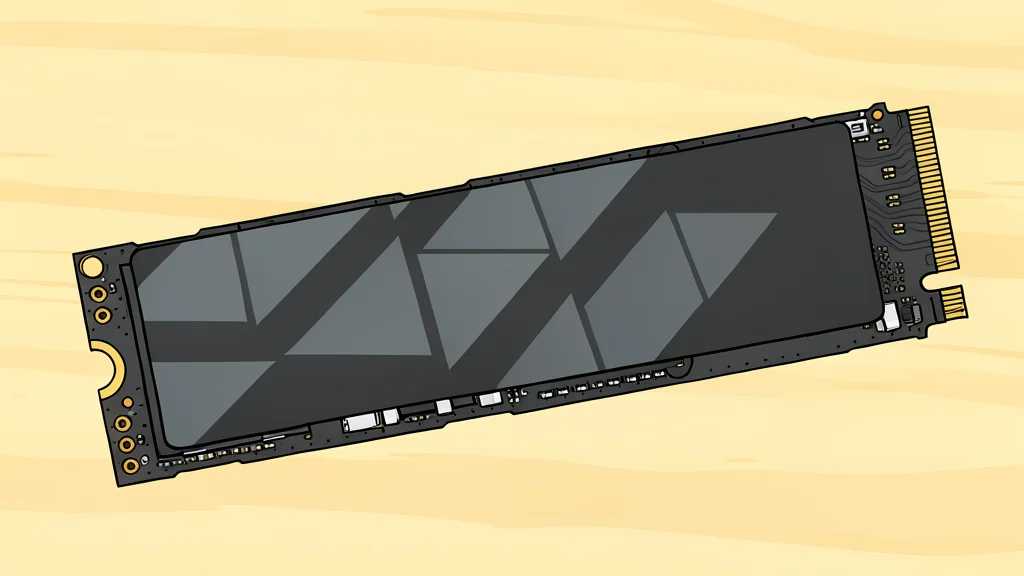
According to a review by Tom's Hardware, this drive serves as a reliable alternative to other high-end options like the WD Black SN8100. It achieves this by using a Silicon Motion controller paired with Kioxia's own 218-layer TLC flash memory. This combination allows the drive to maintain high sequential speeds while keeping random read latency low, which is crucial for everyday responsiveness in operating systems and applications.
Performance Trade-offs in Design
The drive reaches sequential read speeds of up to 14,900 MB/s and write speeds of 13,700 MB/s. These figures are impressive for general use, but they are slightly lower than the fastest competitors in the same class. This difference is not a flaw but a deliberate engineering choice. By tuning the firmware for stability and lower power draw, Kioxia has created a drive that runs cooler and is more efficient, even if it leaves a small margin on the speed charts.
For most users, the practical difference between this drive and the absolute fastest options is negligible. The Exceria Pro G2 focuses on sustained performance, meaning it can maintain high speeds over longer periods without throttling. This makes it particularly well-suited for content creators and professionals who work with large files consistently, as heat management and endurance are critical factors in these workflows.
Cost and Market Availability
Pricing for the Exceria Pro G2 is competitive, with the 2TB model estimated at around $340. This is notably lower than some direct competitors, offering better value for money. However, there is a significant catch regarding availability. Kioxia does not officially distribute this drive through major U.S. retail channels. Buyers in the United States often have to rely on imported listings, which can lead to higher costs due to shipping and import duties.
In the European market, where the drive is more readily available, the pricing is attractive and positions it as a strong contender against other premium drives. The cost advantage comes partly from Kioxia's vertical integration, as they manufacture their own flash memory. This reduces reliance on third-party suppliers and helps keep production costs down, allowing for a more aggressive price point despite the high-end hardware inside.
Endurance and Warranty Details
Kioxia backs the Exceria Pro G2 with a five-year warranty, which is standard for high-end consumer drives. The endurance rating is strong, with the 2TB model rated for 1,200 terabytes of written data. This suggests the drive can handle heavy daily workloads, such as video editing or large database operations, without degrading quickly. The use of TLC flash, while not as dense as QLC, provides a good balance between cost and longevity.
One area where information is sparse is encryption. The drive is expected to support standard software-based encryption, but explicit hardware encryption details are not prominently highlighted in the specifications. For most users, this is sufficient, but those with strict security requirements should verify the specific encryption standards supported by the firmware. Overall, the drive presents a solid, no-nonsense option for users who want high performance without the premium price tag or the complexity of top-tier enthusiast models.