DataOne Accused of Violating Federal Air Rules Before Opening
New Jersey's largest planned AI data center faces accusations of illegal emissions as regulators investigate the use of unpermitted gas generators at the Vineland site.
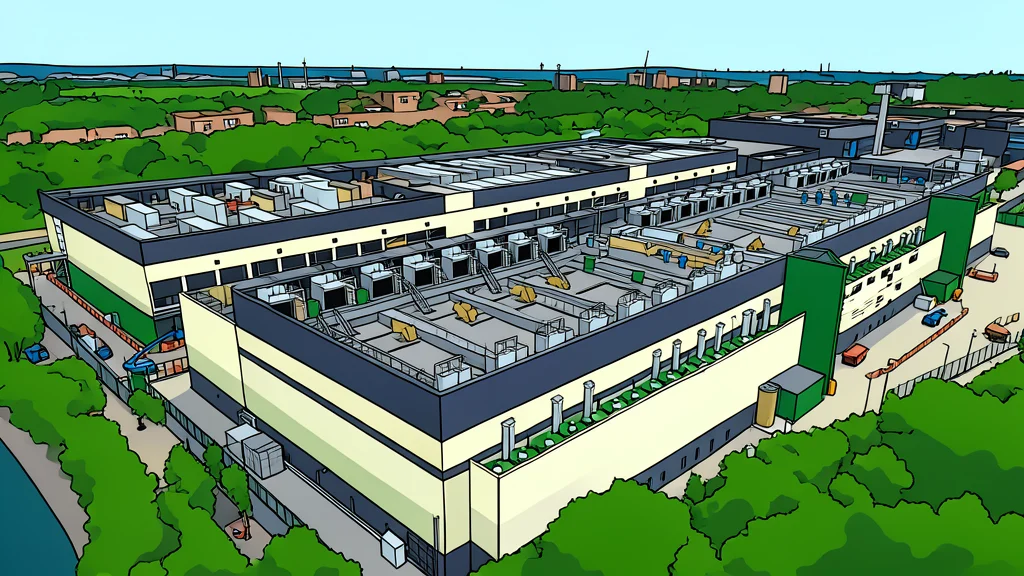
The largest artificial intelligence data center planned for New Jersey is facing serious legal scrutiny before it even opens its doors. Regulators have confirmed that the partially constructed DataOne Campus in Vineland has no permits for its power generators, yet evidence suggests that dozens of these engines have been running. This discrepancy raises immediate concerns about federal air pollution laws and the environmental impact on nearby residents.
The site is central to a $17 billion agreement involving Dutch infrastructure firm Nebius and Microsoft, which will use the facility for AI workloads. However, the development is located just a mile from two schools and less than a mile from local homes. Residents report that the constant hum of the machinery is disrupting their sleep and daily lives, leading to a growing conflict between the rapid expansion of AI infrastructure and community well-being.
Regulators confirm lack of permits
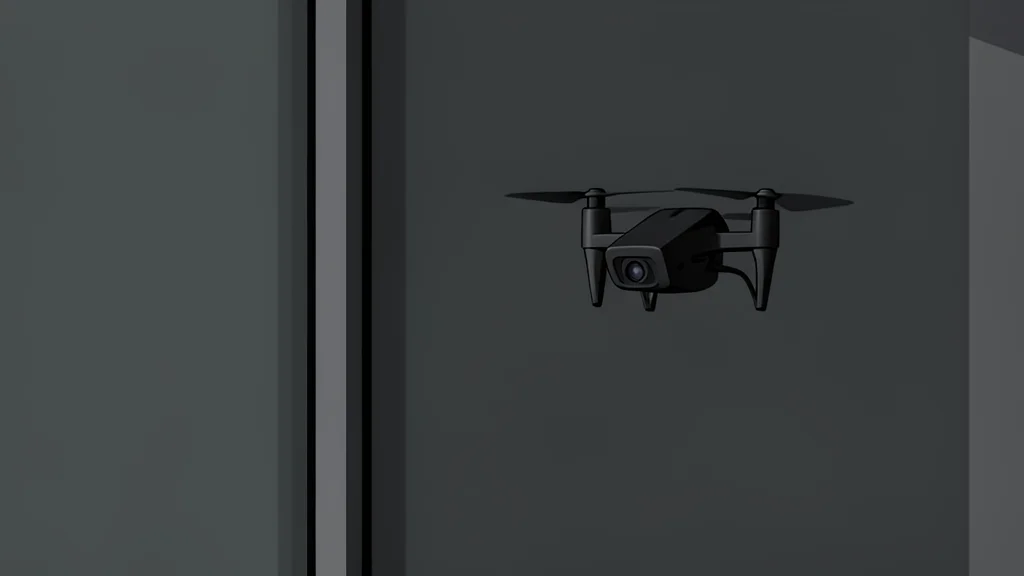
The New Jersey Department of Environmental Protection stated clearly that no permits have been issued for power generators at the facility, nor are any applications currently under review. Despite this, drone footage and records analysis by investigative outlet Floodlight indicate that 45 of the site's 62 gas generators appear to have been operating. Bruce Buckheit, a former EPA air enforcement chief, described the situation as a violation of federal law, arguing that the company should cease operations and face fines for illegal emissions.
Local residents face health risks
For neighbors like Andrew and Stevi Groetsch, the issue is not abstract; it is a daily intrusion. They describe a steady, unceasing hum that has affected their sleep and family life. This is not merely a nuisance; air pollution from large gas generators is linked to serious health outcomes, including asthma, heart attacks, and premature death. The proximity of the site to schools means that children are potentially exposed to these emissions, intensifying the community's concern over the lack of regulatory oversight.
Shift to fuel cells carries trade-offs
DataOne has stated that it remains committed to meeting environmental requirements, though it did not directly address the generator accusations. The company previously sought approval for over 30 gas-burning engines but withdrew that application after regulators flagged multiple issues. It now plans to use Bloom fuel cells capable of producing 300 megawatts. While fuel cells generate electricity without combustion and may produce less harmful air pollution than gas engines, they are not emission-free. A representative testified that the full build-out could release more than 2 billion pounds of carbon dioxide annually, highlighting that even cleaner alternatives contribute significantly to climate change.
This controversy reflects a broader trend in the United States, where AI expansion is driving up electricity demand. According to energy analytics firm Cleanview, nearly 60 data centers nationwide plan to build their own gas plants to avoid waiting for grid connections. As reported by GN technics/ai (en-US), this shift places the burden of power generation on local communities, raising energy costs and environmental risks. The situation in New Jersey serves as a cautionary example of how the race to build AI infrastructure can outpace regulatory safeguards and community consent.