Four Years Later, I Miss the Simplicity of Air-Cooled GPUs
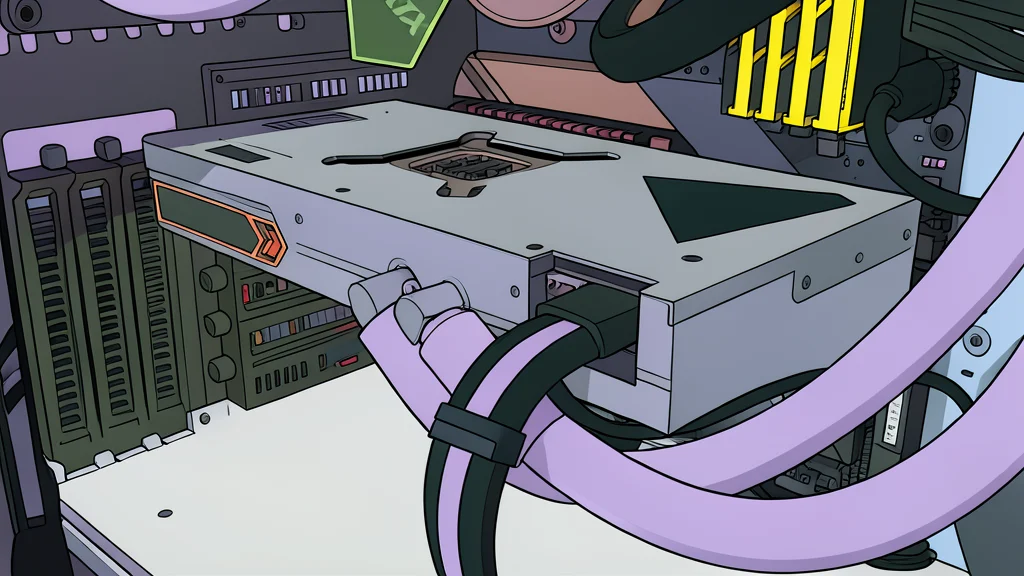
A user who spent four years with a high-end liquid-cooled graphics card says the ease of air cooling is worth the trade-off, despite higher temperatures.
For most of my PC gaming life, I relied exclusively on air-cooled graphics cards, starting with an MSI GTX 680 and moving through various Asus Strix models. I avoided custom liquid cooling because of the added cost and the burden of maintaining a complex loop. However, when I upgraded to the RTX 4090, I was concerned about the card's extreme power draw. To avoid the high temperatures I experienced with my previous air-cooled RTX 3090, I invested in a Colorful Neptune RTX 4090. It cost $2,000, but it promised significantly lower operating temperatures and quieter performance under load.
Initially, the investment paid off. The card ran at a comfortable 60–65C, a huge improvement over the 80s I was used to. But four years later, my perspective has shifted. While the liquid-cooled setup offers impressive thermal management when new, it introduces significant practical downsides. As reported by XDA Developers, the complexity of the hardware now outweighs the benefits for many users who value flexibility and ease of maintenance.
Radiator size limits case options
One of the biggest drawbacks of the liquid-cooled GPU is the physical space it consumes. The card itself is thinner than traditional air-cooled models, which helps with GPU sag and leaves more PCIe slots open. However, it requires a massive 360mm radiator that must be mounted separately within the case. This extra component complicates future upgrades. For example, I could not install a larger 420mm radiator for my CPU because the GPU’s radiator occupied the front of my case. With a standard air-cooled card, I would not have had to sacrifice that space or rearrange my entire build to accommodate a different cooling configuration.
Maintenance fear hinders upgrades
The second major trade-off is the anxiety surrounding maintenance. Repasting an air-cooled GPU is a straightforward task that I have performed multiple times without hesitation. It involves removing a heatsink and replacing thermal paste, a process that is low-risk and easy to reverse. In contrast, disassembling a liquid-cooled GPU involves water blocks, pumps, and tubing. The fear of causing a coolant leak or damaging the pump is significant, especially on a $2,000 piece of hardware. Consequently, I have avoided any major maintenance on my current card, even as its temperatures have risen to 85–88C under load.
Temperature gains lose appeal over time
When I first bought the liquid-cooled card, the 10–15C temperature drop was a compelling reason to accept the complexity. It also resulted in quieter fan speeds. However, as the card ages, its temperatures have crept back up to levels similar to those of air-cooled models. At this point, the initial thermal advantage has diminished, leaving only the downsides of the liquid cooling system. The flexibility and simplicity of air cooling, which I previously took for granted, now seem like the superior choice for long-term ownership and ease of use.