Apple's Foldable iPhone Duo Brings Polish but No Breakthroughs
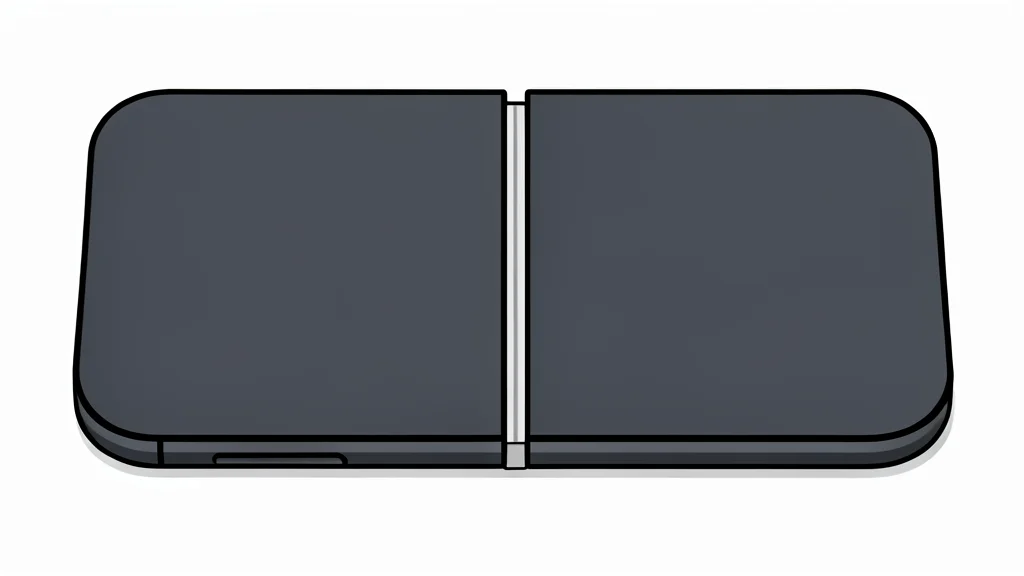
Apple's entry into the foldable market offers a refined package, yet it largely mirrors the features Android manufacturers have been refining for years.
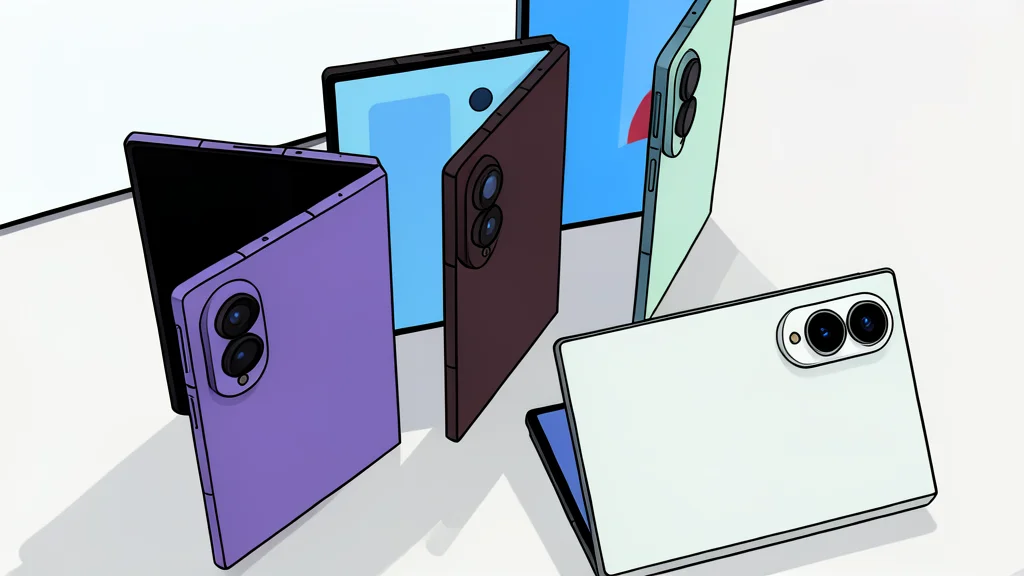
Apple has finally entered the foldable smartphone race with the iPhone Duo, but the device does not fundamentally change how these phones work. According to reporting from 9to5Google, the phone is a polished product that gets the basics right, yet it fails to introduce the radical new concepts many had speculated Apple would deliver. For Android users, this means facing a strong competitor that looks familiar rather than revolutionary.
The iPhone Duo is thicker and heavier than most current Android foldables, a trade-off that makes it less portable but potentially more robust. While early reactions are positive, the device does not solve the core physical challenges of folding screens. It is a competent entry that validates the form factor without reinventing it, forcing Android brands to refine their existing strengths rather than defend against a new paradigm.
Hardware focuses on display polish
The most notable hardware feature is the matte display, which significantly reduces the visible crease down the center of the screen. This is a meaningful improvement for visual comfort, as the fold line is less distracting during use. However, the device still suffers from the same physical trade-offs as its rivals, including increased thickness and weight compared to standard slab-style smartphones.
There are still visual imperfections, such as a glossy dot around the selfie camera that stands out against the matte finish. Apple also adopted under-display camera technology, a feature that has been criticized in other devices for offering dubious value. This suggests that even Apple is willing to accept minor visual compromises to achieve a cleaner front profile.
Software improvements feel incremental
On the software side, the iPhone Duo offers split-screen capabilities that are similar to what Android users have accessed for years. Apple allows the two halves of the screen to be treated as independent workspaces, which is intuitive but not new. Video overlays are also more polished, but the core functionality remains comparable to existing picture-in-picture options on other platforms.
The most visible change is in navigation, where Apple moves app controls and the status bar to the side of the screen. This design choice makes better use of the vertical aspect ratio but may feel unbalanced to users accustomed to top and bottom controls. These changes are refinements rather than reinventions, leaving the core user experience largely unchanged from what Android manufacturers have already established.
Android brands face stiff competition
The arrival of the iPhone Duo changes the competitive landscape by adding a major player to the foldable market. Android brands now have to compete with a device that is highly polished and backed by Apple's ecosystem, even if it does not offer superior technology. The fear for Android manufacturers is not that Apple has beaten them to a new idea, but that it has matched their execution with greater brand power.
Ultimately, the iPhone Duo validates the foldable form factor without solving its inherent limitations. It is a well-made product that raises the bar for quality, but it does not offer a new blueprint for the industry. Android users should expect a more competitive market where the focus shifts from innovation to refinement and brand loyalty.