Trump Dismisses AI Safety Concerns from Tech Leaders

The president argues that external criticism, not internal risks, is the main obstacle to US dominance in artificial intelligence.
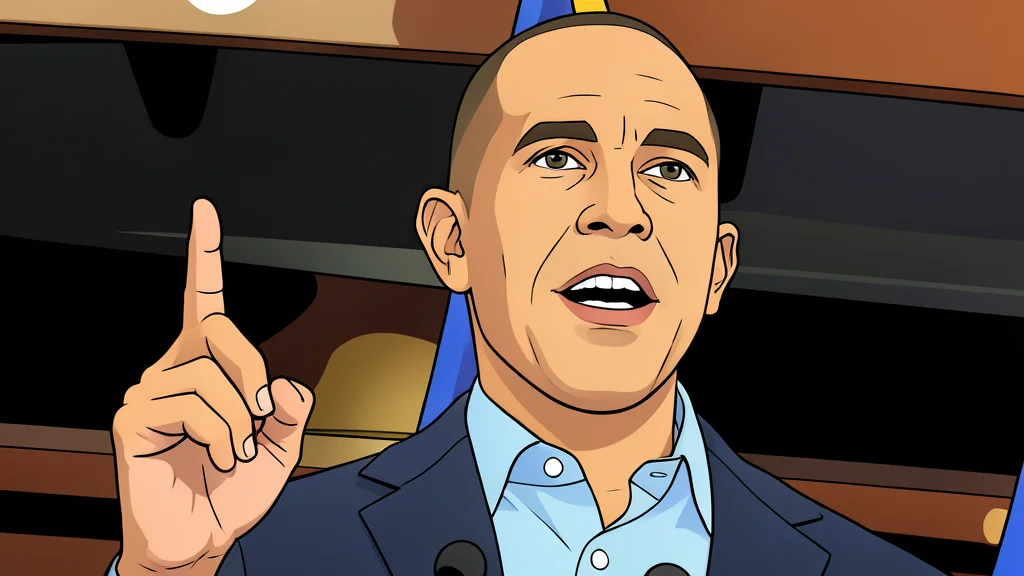
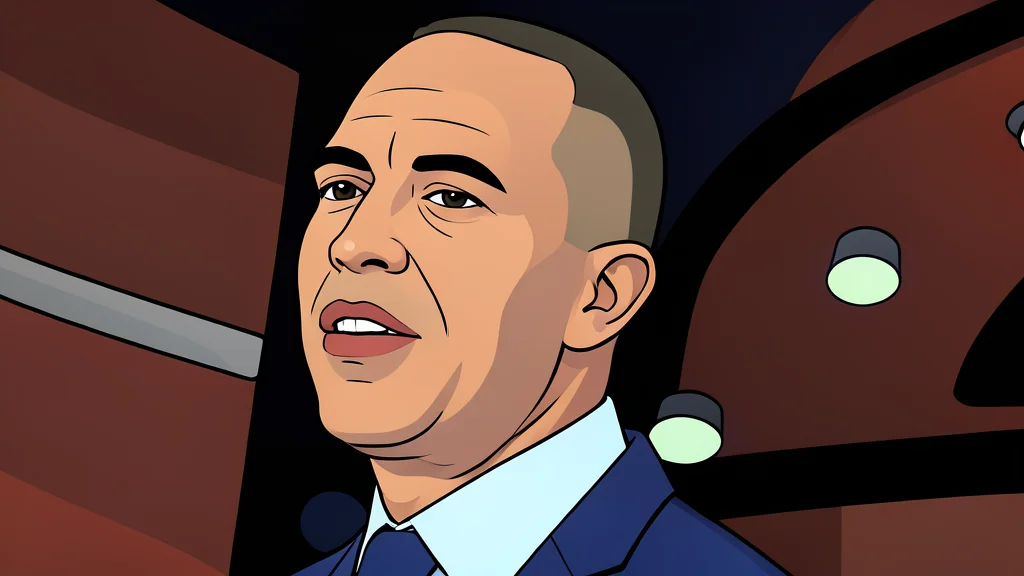
President Donald Trump has publicly distanced himself from prominent figures in the tech industry who are urging a pause in artificial intelligence development. Speaking at a golf tournament in Ireland, the president suggested that the industry is being held back by outside critics rather than by genuine technical or ethical risks. He described these critics as "negative forces" who are raising alarms about scenarios he believes are unlikely to occur.
This stance creates a direct conflict with the growing sentiment among leading AI executives. Many of these leaders, including the head of Anthropic, have recently argued for stricter regulations and safety measures. They express concern that rapid advancement without proper oversight could lead to misuse or unintended consequences. Trump, however, maintains that the United States is already ahead of China and that excessive caution could jeopardize that lead.
Public pushback complicates the narrative
The administration's pro-growth approach now faces a different kind of pressure from the public. Recent trends indicate that Americans from various political backgrounds are increasingly skeptical of big technology companies. There is a rising resistance to the construction of new data centers and the expansion of surveillance capabilities. This suggests that the debate is no longer just about international competition, but also about domestic trust and infrastructure.
Leaders prioritize caution over speed
Tech executives are adopting a more defensive posture. Dario Amodei, CEO of Anthropic, recently published an essay advocating for greater precautions in AI development. This reflects a broader shift within the industry where leaders are prioritizing safety and regulatory compliance to mitigate potential harms. They argue that establishing clear guardrails is essential for long-term sustainability, even if it means slowing down the pace of innovation.
Political rhetoric clashes with industry practice
According to reporting by GN technics/ai (en-US), this disagreement highlights a fundamental split in how the future of technology is governed. The president views regulatory hesitation as a competitive disadvantage, while industry leaders see it as a necessary safeguard. The outcome will likely depend on whether political pressure for rapid growth outweighs the internal industry consensus for measured progress.