Apple's Foldable Strategy Expands Beyond the iPhone Duo
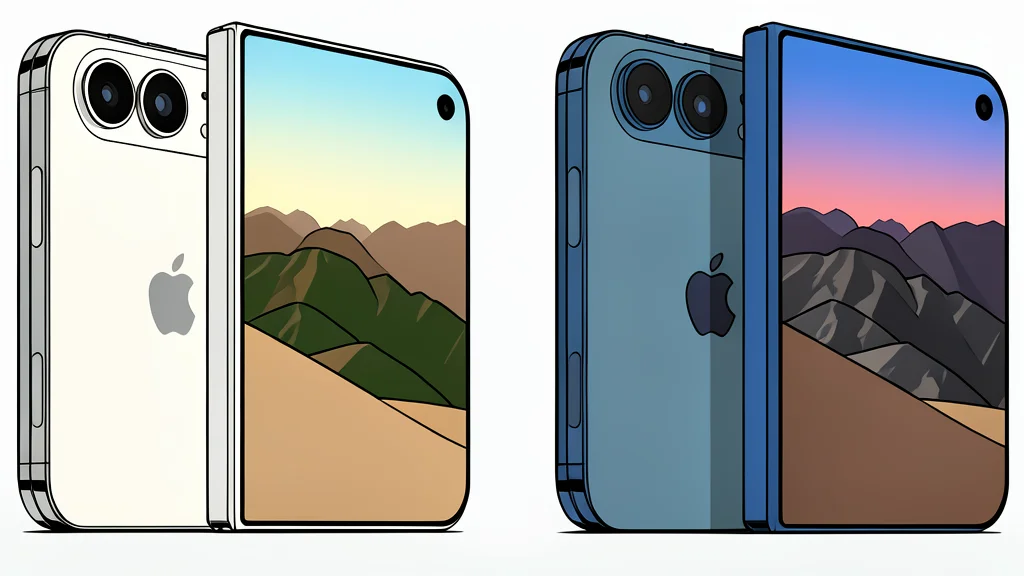
Apple is reportedly building a full foldable lineup, not just a single device, with the iPhone Duo acting as the anchor for future models.
Apple appears to be planning a broader family of foldable smartphones rather than launching a single standalone device. According to reports from GSMArena citing Bloomberg’s Mark Gurman, the company intends to introduce larger, smaller, and budget-friendly variants of the iPhone Duo. This strategic shift suggests that the foldable form factor is becoming a core part of Apple’s hardware roadmap, not just a niche experiment.
The naming choice itself offers a clue to this long-term vision. While early rumors suggested the first model would be called iPhone Ultra, Apple selected iPhone Duo instead. The three-letter suffix aligns with existing branding conventions like Air and Pro, creating a consistent linguistic framework. More importantly, it sets the stage for future additions such as a Duo Max or Duo mini, which would sound awkward under the Ultra moniker.
Naming Conventions Shape Product Strategy
The decision to use Duo also serves a functional purpose. The word immediately communicates the device’s defining feature: two screens. This clarity helps consumers understand the form factor at a glance, reducing the learning curve associated with foldable technology. By standardizing the name, Apple can build brand recognition across multiple sizes and price points, making the category feel more accessible and less experimental.
However, this expansion comes with significant logistical challenges. Gurman predicts that demand for the initial iPhone Duo will outstrip supply, leading to scalping and high resale prices. While this indicates strong consumer interest, it also highlights the difficulty of manufacturing complex foldable components at scale. Apple must balance aggressive marketing with the reality of production limits to avoid alienating early adopters.
Supply Constraints Will Test Demand
The trade-off for consumers is clear: high anticipation may come with high cost and limited availability. If Apple cannot ramp up production quickly, the initial wave of buyers will face shortages, while those who wait may find the device more affordable but potentially less innovative. This dynamic could influence how quickly the general public adopts foldable phones, turning what is supposed to be a mainstream shift into an exclusive experience for a select few.
Ultimately, the success of this strategy depends on whether the technology can deliver reliable daily use. If the Duo series proves durable and useful, it could push the entire industry to invest more heavily in foldables. If not, the expanded lineup may struggle to find a market beyond enthusiasts. The next few months will reveal whether this is a genuine paradigm shift or a premium niche product.