GaN and Qi2 Reshape the 2026 Phone Accessory Market
Smaller chargers and standard magnets are turning phone accessories into a deliberate choice rather than an afterthought.
Key points
- GaN chips allow chargers to be smaller and cooler, but they do not increase charging speed over silicon.
- Qi2 standardizes magnetic alignment, raising wireless charging limits to 25 watts and reducing heat.
- On many Android phones, the magnetic ring is in the case, making the case essential for accessory use.
The era of grabbing a random case and mismatched charger at the register is fading. With major manufacturers no longer including power adapters and the EU mandating USB-C, the accessory drawer has evolved into a curated ecosystem. TechBullion notes that this shift is driven by three specific technological advances that collectively change how consumers purchase and use their devices.
Gallium nitride (GaN) chips, the Qi2 magnetic charging standard, and new case materials are the primary forces behind this change. While none of these technologies is flashy individually, their combination is influencing spending habits and brand loyalty. The result is a market where the choice of accessory is a functional decision, not just a cosmetic one.
GaN shrinks chargers without increasing speed
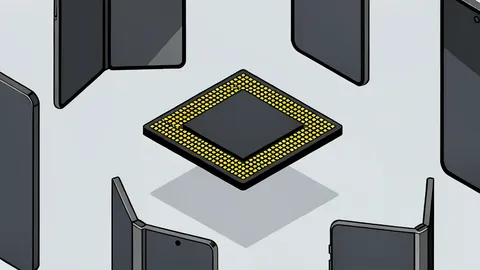
Traditional silicon transistors waste energy as heat and limit switching speed, forcing manufacturers to build larger components for cooling. Gallium nitride semiconductors handle higher voltages with less loss, allowing the internal magnetic parts to shrink significantly. This means a charger the size of a small cube can now deliver enough power to run a laptop.
A common misconception is that GaN makes charging faster. It does not. A 30-watt GaN charger delivers the same speed as a 30-watt silicon unit. The benefit is density, not velocity. This allows a single multi-port unit to replace separate chargers for phones, tablets, and laptops, turning the charger into a primary travel item rather than a disposable extra.
Qi2 standardizes magnetic alignment
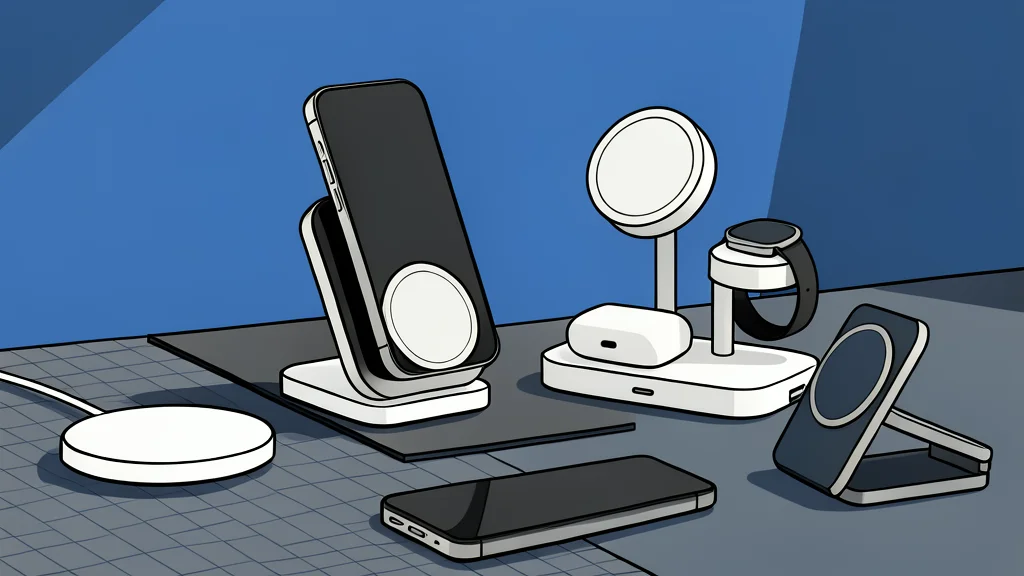
Apple’s MagSafe magnets initially seemed like a proprietary feature. In 2023, the Wireless Power Consortium adopted this technology into the Qi2 standard, ensuring that charging coils align automatically. This alignment reduces energy waste and heat. The latest version, Qi2 25W, raises the power ceiling and improves thermal management, making wireless charging more efficient.
Adoption varies across Android brands. Google’s Pixel 10 series has built-in magnets, while Samsung’s Galaxy S25 line is Qi2 Ready but requires a magnetic case to function. This distinction is critical because it shifts the responsibility for the magnetic connection from the phone itself to the accessory case.
Cases become essential infrastructure
For a significant portion of smartphone users, the magnet that enables the accessory ecosystem lives in the case, not the device. This transforms the case from a protective shell into a functional component. Without the correct case, features like wireless charging, car mounts, and wallet attachments may not work at all.
This shift changes the value proposition of the case. It is no longer just about shock absorption or aesthetics. It is now a prerequisite for using the broader magnetic accessory market. Consumers must choose cases that support the specific magnetic protocol of their phone to access the full range of available gadgets.