Smartphone Tech Aims to Track Senior Health Daily
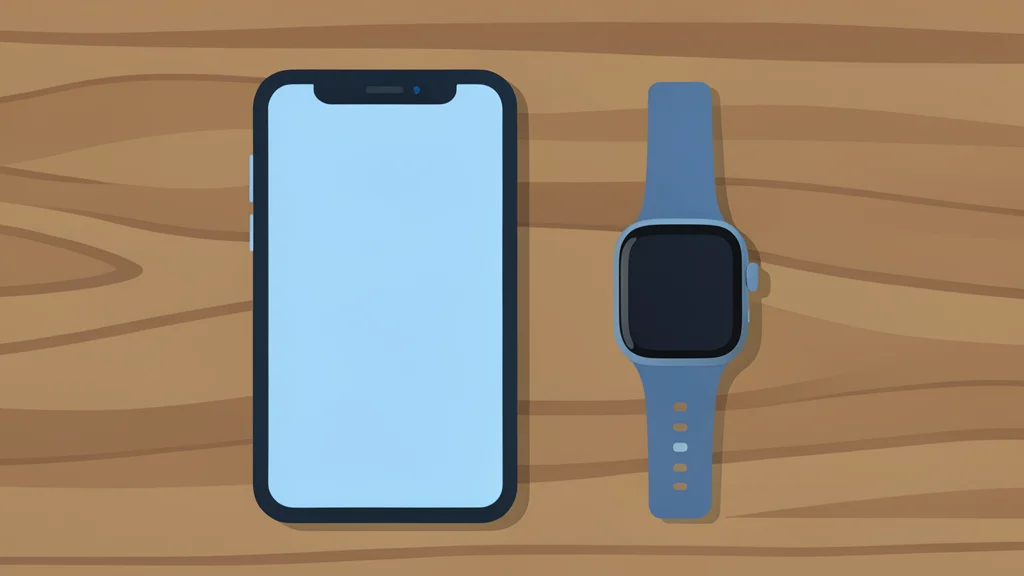
A new research platform uses smartphones and wearables to monitor older adults' health continuously, moving care beyond the clinic.
Researchers at the University of Florida have launched a new digital tool designed to monitor the well-being of older adults in their own homes. The system, known as G-CARE, uses standard smartphones and smartwatches to gather continuous health data, offering a more detailed picture of daily life than occasional doctor's visits can provide.
The project addresses a common frustration in geriatric care: the gap between clinical check-ups and the reality of aging. By leveraging technology that people already own, the platform aims to track mobility, medication adherence, and cognitive function without requiring patients to wear bulky, specialized medical devices.
Moving health data to the hand
Sanjay Ranka, a computer science professor leading the initiative, notes that previous methods often relied on hip-mounted sensors that were easily lost or damaged. G-CARE shifts this focus to the wrist, using the accelerometer in a smartwatch to detect subtle changes in movement. This allows for the identification of gait issues or potential falls, providing early warnings to both the patient and their healthcare provider.
Todd Manini, a medical informatics professor and co-leader of the project, emphasizes that many critical health outcomes are missed during brief clinical appointments. By collecting data in the context of everyday life, the platform creates a holistic view of health that traditional medicine often lacks.
Turning familiar tech into a research tool
The system is designed to use the smartphone as the central processing hub and the smartwatch as the primary sensor. This setup allows for the use of simple machine learning models to analyze motion patterns. According to GN technics/mobile (en-US), this approach makes the technology more accessible and less intrusive for older users who may be resistant to new medical gadgets.
The ultimate goal is to create a scalable infrastructure that helps predict serious health events like hospitalizations. By reducing the burden of research participation, the team hopes to make it easier for older adults to contribute to studies that could improve their own quality of life.
Balancing privacy and personal data
While the technology offers significant benefits, it also introduces trade-offs regarding data volume and privacy. Continuous monitoring means a steady stream of personal information is being collected and analyzed. The project relies on the trust that users place in their devices, requiring robust security measures to protect sensitive health records from unauthorized access.
For families and caregivers, the catch is that the data is only as useful as the human response to it. The system can flag a fall or a missed medication, but it cannot provide physical assistance. It serves as an alert mechanism, not a replacement for direct care, meaning that human intervention remains a critical component of the safety net.