Phone Makers Urge India to Cut Tax to Revive Budget Market
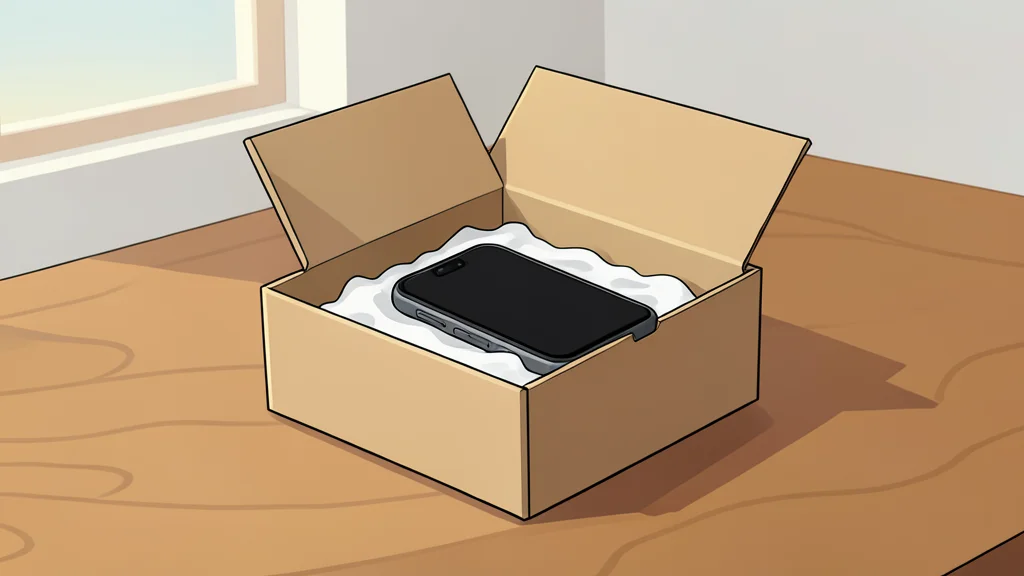
Rising component costs have squeezed budget phone sales, prompting industry leaders to request a significant tax reduction.
Major smartphone manufacturers in India are asking the government to lower the tax on mobile devices from 18 percent to 5 percent. This request comes as a sharp rise in the cost of essential electronic parts has made affordable phones increasingly difficult for many consumers to buy.
The India Cellular and Electronics Association, which represents top global brands, argues that a lower tax rate is necessary to keep basic smartphones accessible. According to GN technics/mobile (en-US), this move is intended to stabilize the market for first-time buyers and those upgrading from older, slower networks.
Component costs squeeze budget options
The primary driver behind this urgent plea is a dramatic increase in the price of memory components. Global suppliers have prioritized high-profit orders for artificial intelligence data centers, causing the cost of mobile memory to quadruple since late 2025. This shift has pushed up the overall price of entry-level phones by more than a third in just one year.
As a result, the supply of phones priced under 10,000 rupees has dropped to less than five percent of the total market. This scarcity disproportionately affects lower-income households and rural areas, where affordable connectivity remains a critical need for daily life and economic participation.
Tax history shapes current debate
Industry leaders point out that the current tax structure has evolved away from its original intent. Before the unified tax system was introduced, the effective tax burden on phones was roughly six percent. The rate was later raised to 12 percent and then to 18 percent, a level that the association argues no longer reflects the true cost of manufacturing and distribution.
While India’s manufacturing output and exports have grown significantly over the last decade, domestic demand has not kept pace. The association believes that reducing the tax on finished handsets would help bridge this gap, allowing the industry to serve a broader base of consumers rather than just those able to afford premium models.
Market forecasts show shrinking demand
Market research suggests that smartphone shipments in India could decline by up to 15 percent in 2026. Analysts predict total sales will fall between 136 million and 138 million units, a significant drop from previous years. This trend indicates that high prices are actively suppressing consumer interest in new devices.
The association is urging the tax council to address these issues in its upcoming meeting. By rationalizing duties on both finished products and critical components, the industry hopes to create a more stable environment that supports both consumer access and long-term industrial growth.