Local Music Libraries Outperform Streaming in the Car
A month-long test reveals that while streaming apps offer ease, local players provide superior control and reliability for drivers.
For many drivers, the default choice for in-car audio is a streaming service like YouTube Music. It is convenient, requires minimal setup, and offers an endless catalog. However, a recent comparative test suggests that a local music player may offer a more reliable and satisfying experience behind the wheel. The key difference lies in the trade-off between immediate accessibility and long-term control over sound quality and library management.
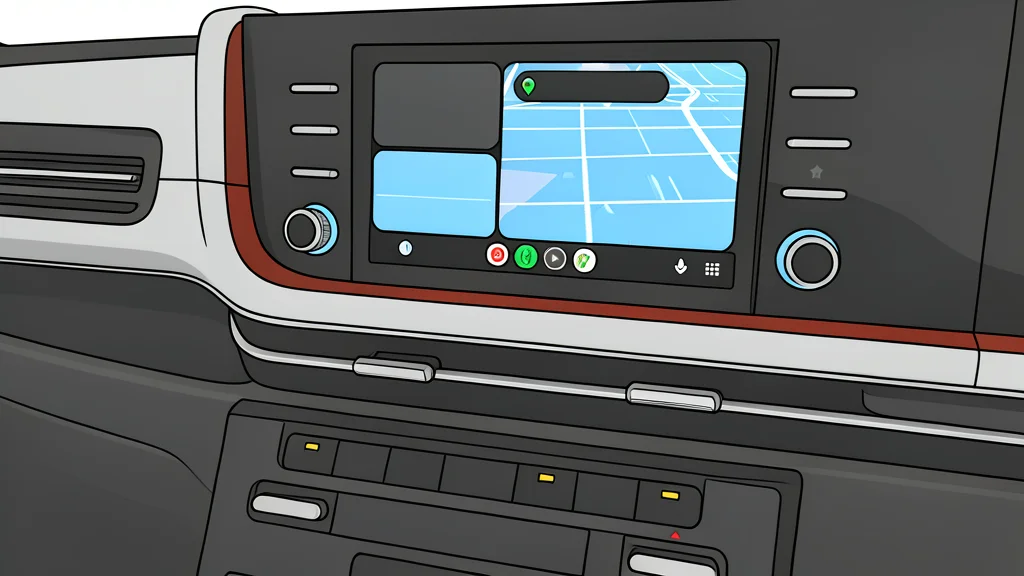
The comparison, detailed by XDA Developers, pits Poweramp against YouTube Music on Android Auto. While YouTube Music shines for quick access to new releases and algorithmic discoveries, Poweramp excels in delivering consistent audio performance without reliance on a stable network connection. The winner depends on whether the driver values the simplicity of a subscription service or the precision of a curated local library.
Control over sound quality
Poweramp provides a level of audio customization that streaming apps typically lack. Users can adjust equalizer settings, bass, and treble to match the specific acoustics of their vehicle. This allows for a tailored listening experience rather than accepting a generic audio output. However, this flexibility comes with a significant upfront cost in time. Drivers must organize their files, ensure correct metadata, and spend time dialing in the settings. Additionally, the benefits of these adjustments are only fully realized if the car has high-quality speakers.
Reliability without internet connection
Offline playback is where local players hold a distinct advantage. Because the music is stored on the device, there is no risk of buffering, lost connections, or unavailable tracks during a drive. This makes the experience feel more dependable, especially in areas with poor signal. In contrast, while YouTube Music supports offline downloads, accessing them through the Android Auto interface involves several extra steps. Navigating through menus to select specific playlists can be distracting while driving, whereas a local player allows for immediate playback of any album or artist.
Voice control capabilities
Streaming services often lead in voice command flexibility, allowing users to request songs based on context or scene. However, local players can still handle basic requests effectively. Tests showed that asking a voice assistant to play a specific track from a local library works seamlessly. While this lacks the broad discovery features of a streaming service, it covers the primary need for most drivers: playing known favorite songs without touching the screen. The trade-off is clear: streaming offers breadth, while local storage offers depth and consistency.