New Smartphone Case Detects Hidden Cameras

Researchers have developed a low-cost add-on for mobile phones that identifies hidden cameras by analyzing light reflections, offering a practical tool for travelers and renters concerned about privacy.
Finding a hidden camera in a hotel room or rental apartment is a growing anxiety for many people. While platforms like Airbnb have banned indoor security cameras, enforcement is difficult, and the threat persists. Existing detection tools often fail because they struggle to distinguish a camera lens from other shiny objects like mirrors or appliances, leading to frequent false alarms.
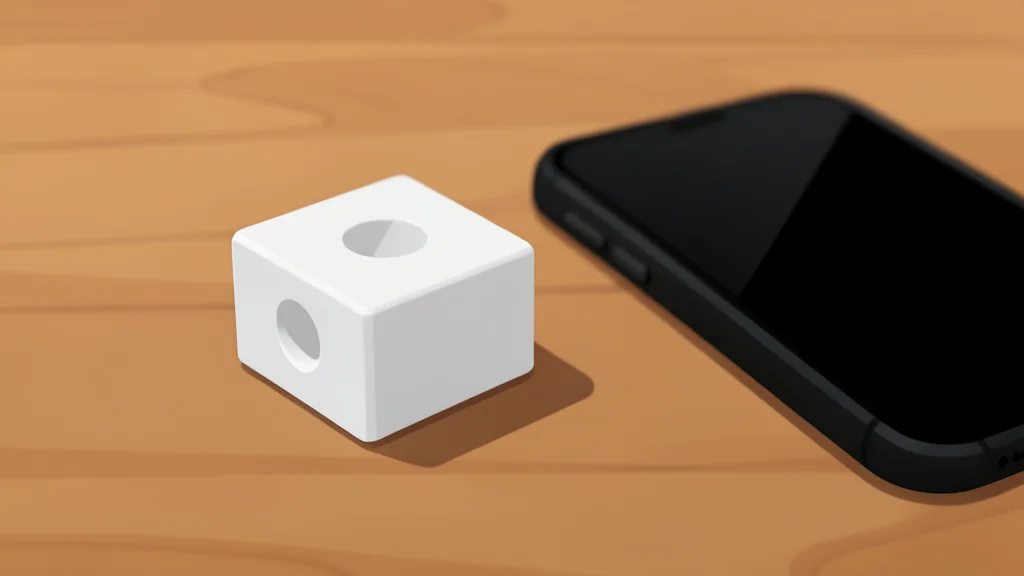
A team of researchers from KAIST and partner universities in Singapore has introduced a new solution called SweepLED. This device attaches to the back of a smartphone and uses a small array of light-emitting diodes to scan for covert cameras. By analyzing how light reflects off surfaces over time, the system aims to provide a more accurate and affordable way to protect personal privacy.
Light Sweep Reduces False Alarms
Traditional detectors typically look for a single bright reflection, which is an unreliable method in cluttered rooms. SweepLED takes a different approach by moving the light source across the target. The device contains fifteen LEDs that rapidly change angles while the phone’s camera records the scene. This dynamic lighting allows the software to observe how the reflection shifts, rather than just identifying a static spot of light.
Camera lenses have a specific optical structure that creates unique reflection patterns when illuminated from varying angles. Regular household items, such as pots or glassware, do not exhibit these specific changes. By comparing frames with the LEDs on and off, the system isolates the reflections caused by the sweep. This process helps the software filter out irrelevant shiny objects and focus on potential camera lenses.
Affordable Hardware for Privacy Protection
The hardware cost for the SweepLED prototype is approximately seven US dollars, making it a very accessible option compared to expensive commercial detectors. The device fits into a standard smartphone case, meaning users do not need to carry a separate gadget. This integration ensures the tool is portable and easy to use during travel or in private accommodations.
According to reports from GN technics/mobile (en-US), the system uses artificial intelligence to process the video data. The AI model is trained to track changes over time, allowing it to recognize the distinctive behavior of a camera lens. This software-driven analysis compensates for minor hand movements and enhances the accuracy of the detection process.
Testing Shows High Detection Accuracy
The researchers tested the prototype on thirty different objects, including actual cameras and common household items. The system achieved a detection accuracy of about ninety-four percent, with each scan taking roughly five seconds. These results suggest that the technology is effective enough for practical use, although it remains a prototype at this stage.
The main trade-off is that the user must hold the phone steady for a few seconds while the scan occurs. However, given the low cost and high accuracy, SweepLED offers a promising solution for those worried about unauthorized surveillance. The technology was presented at the ACM MobiSys 2026 conference, indicating its potential for wider adoption in the near future.