Australia Faces Growing Challenge of EV Battery Waste
Electric vehicle sales in Australia just hit a record high, but the infrastructure to handle their end-of-life batteries is lagging behind. As thousands of new cars hit the road, experts warn that the country lacks the capacity to safely recycle the heavy, hazardous packs they contain.
In August, more than 27,000 battery electric vehicles were sold across the country, marking the highest monthly total on record. These purchases accounted for nearly 25 percent of all new car sales, signaling a rapid shift away from petrol engines. While this growth is positive for emissions, it creates a looming logistical problem. Most Australian drivers are unaware of how these batteries are managed, and the industry is not yet equipped to handle the volume.
The core issue is complexity. Unlike the lead-acid batteries in traditional cars, which are relatively simple to process, EV packs contain a dense mix of lithium, nickel, and cobalt. These materials are hazardous and difficult to separate. As reported by GN auto tech/ev: electric vehicle, current recycling programs often exclude these high-voltage units, leaving a gap in the waste management chain.
Recycling capacity lags behind sales
Major motoring bodies in Queensland currently do not accept EV batteries for their standard recycling schemes. Their networks are designed for smaller, lower-voltage marine and deep-cycle batteries. This leaves owners without a clear, free pathway to dispose of their old packs. Specialists like Envirostream in Melbourne are working to fill this void, but they operate at a scale that may not match the national sales trajectory.
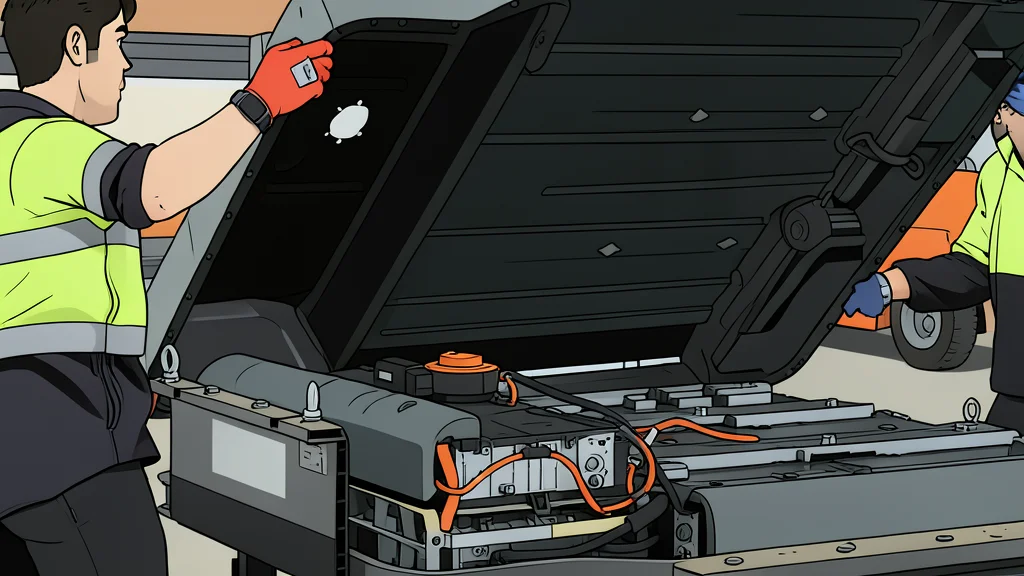
The physical handling of these batteries is also a significant hurdle. A single EV pack can weigh between 300 and 700 kilograms, compared to just 20 kilograms for a standard car battery. The energy density is much higher, meaning that any failure or fire during transport or processing is far more dangerous. This requires specialized facilities that are expensive to build and operate.
Safety risks in battery handling
Industry leaders emphasize that safety is the primary constraint on recycling speed. Lithium-ion fires release significantly more energy than traditional battery fires, posing severe risks to workers and facilities. Companies must discharge the batteries safely before dismantling them, a process that is slow and labor-intensive. This caution means that the throughput of recycled material is limited, creating a bottleneck as the fleet of old EVs grows.
There is also a strategic argument for keeping this process domestic. By refining these materials locally, Australia could secure a supply of critical minerals for new battery manufacturing. Relying on overseas facilities for waste handling risks losing these valuable resources and increases the environmental footprint of transport. Domestic recycling offers a chance to build sovereign capability in the energy sector.
Owners need clearer disposal guidance
Many drivers are discovering for the first time that their batteries cannot simply be thrown away. Some are unaware that these packs can be repurposed or recycled. This lack of awareness leads to confusion and potential improper disposal. Experts argue that manufacturers and dealers need to provide clear information at the point of sale about end-of-life options.
As the number of EVs on the road continues to climb, the pressure on waste managers will intensify. The industry must scale up its facilities and clarify its acceptance policies. Without a robust, nationwide system in place, Australia risks accumulating a large stockpile of hazardous e-waste that is too complex to ignore and too dangerous to mishandle.